Tokyo Travel Guide: Best Places to Visit & Things to Do
Tokyo is a city where ancient traditions and futuristic technology exist side by side. As Japan’s capital and one of the world’s largest metropolitan areas, it offers an extraordinary combination of historic temples, modern skyscrapers, colourful shopping districts, peaceful gardens and exciting food experiences.
From the busy pedestrian crossings of Shibuya to the traditional streets of Asakusa, Tokyo provides something different at almost every turn. You can explore centuries-old shrines in the morning, enjoy authentic Japanese ramen for lunch, discover the latest technology and fashion in the afternoon and experience the city’s illuminated streets after sunset.
Despite its enormous size and fast-paced reputation, Tokyo also has quieter places where visitors can relax and appreciate Japanese culture. Traditional gardens, local neighbourhoods and small restaurants offer a more peaceful side of the city.
Whether you are visiting Japan for the first time, planning a food-focused holiday or exploring Japanese history and technology, this Tokyo travel guide will help you discover the city’s main attractions, understand its transport system and plan a memorable trip.
What Makes Tokyo Special?
Tokyo is unique because it brings together several different experiences within one metropolitan area.
The city is internationally recognised for its technology, fashion, entertainment and modern architecture. At the same time, it preserves traditional customs through temples, shrines, festivals, historic gardens and cultural districts.
One of Tokyo’s most interesting features is the contrast between its neighbourhoods. Shibuya and Shinjuku are famous for their bright signs, shopping and nightlife, while Asakusa offers a more traditional atmosphere. Harajuku is associated with youth fashion and creative street culture, whereas Ginza is known for luxury shopping and elegant department stores.
Tokyo is also a major destination for food lovers. Japanese cuisine includes much more than sushi. Visitors can explore ramen shops, traditional noodle restaurants, street snacks, seafood markets and beautifully presented seasonal dishes.
Another major attraction is the city’s transport network. Trains and subway services connect different districts efficiently, allowing visitors to explore many parts of Tokyo without needing a car.
Best Places to Visit in Tokyo
Tokyo has hundreds of attractions, so choosing a few important destinations can help make your first visit easier.
1. Shibuya Crossing
<escape> </escape>Shibuya Crossing is one of the most famous pedestrian intersections in the world.
Located outside Shibuya Station, it is known for the large number of people who cross the intersection from different directions when the traffic signals change.
The surrounding area is filled with shopping centres, restaurants, entertainment venues and large digital screens.
One of the best ways to experience the crossing is to walk through it yourself. You can also view it from selected buildings and observation spaces in the surrounding district.
Shibuya becomes particularly lively in the evening, when its illuminated signs create an energetic city atmosphere.
2. Tokyo Tower
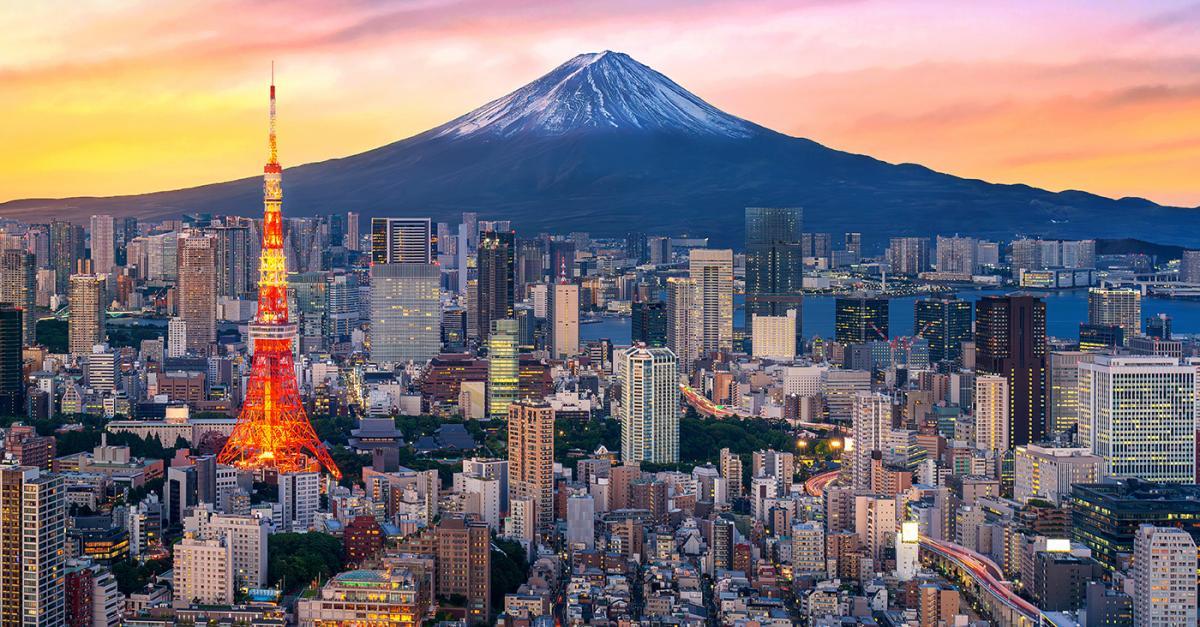
Tokyo Tower is one of the city’s most recognisable landmarks.
Inspired by the Eiffel Tower, this red-and-white structure was completed in 1958 and became an important symbol of Japan’s post-war development.
Visitors can purchase tickets to access its observation decks, which provide views across Tokyo. On clear days, it may be possible to see Mount Fuji from suitable viewing locations.
The tower is particularly attractive after sunset when its lighting creates a striking contrast against the surrounding city.
The nearby Zojoji Temple also offers an interesting combination of traditional architecture and modern urban scenery.
3. Sensō-ji Temple
Sensō-ji is Tokyo’s oldest and one of its most famous Buddhist temples.
Located in Asakusa, it attracts visitors interested in Japanese history, religion and traditional architecture.
The approach to the temple begins at Kaminarimon, a large gate recognised by its enormous red lantern. Beyond the gate is Nakamise-dori, a shopping street offering traditional snacks, souvenirs and small gifts.
The temple grounds provide an opportunity to experience a more traditional side of Tokyo.
Visitors should behave respectfully, follow signs and observe local customs when entering religious areas.
4. Tokyo Skytree
Tokyo Skytree is one of the tallest structures in the world and a major modern landmark.
It serves as a broadcasting tower and observation destination, offering panoramic views of Tokyo from its elevated viewing areas.
The surrounding Tokyo Solamachi complex includes shops, restaurants and entertainment facilities.
If you want to see Tokyo from above, Tokyo Skytree is an excellent option. Visiting during daylight and after dark offers two very different perspectives of the city.
5. Meiji Jingu Shrine
Meiji Jingu is a major Shinto shrine located near Harajuku.
Surrounded by a large forested area, it offers a peaceful atmosphere despite being close to some of Tokyo’s busiest shopping districts.
The shrine is dedicated to Emperor Meiji and Empress Shōken and is an important cultural and religious site.
Visitors walk through large wooden torii gates and shaded pathways before reaching the main shrine buildings.
It is an excellent place to learn about Japanese traditions and enjoy a quieter experience away from crowded commercial areas.
6. Shinjuku Gyoen National Garden
Shinjuku Gyoen is one of Tokyo’s most attractive public gardens.
It combines different garden styles, including traditional Japanese landscaping, formal French gardens and English landscape areas.
The garden is particularly popular during cherry blossom season, when its flowering trees attract visitors from across Japan and around the world.
It is also a pleasant destination during autumn, when leaves change colour.
Check opening days, seasonal schedules and admission information before visiting.
7. teamLab Planets
teamLab Planets is an immersive digital art experience that combines light, technology, sound and interactive environments.
Visitors move through different installations designed to create unusual visual and sensory experiences.
Some areas involve walking through water, so check the visitor guidelines and practical requirements before booking.
It is particularly popular with travellers interested in digital art, photography and innovative exhibitions.
Advance reservations are often advisable because visitor numbers may be limited.
Explore Tokyo’s Most Interesting Neighbourhoods
Tokyo’s neighbourhoods are one of the city’s greatest attractions. Each district has its own personality, making it worthwhile to explore more than just the main tourist locations.
Shinjuku
Shinjuku is one of Tokyo’s busiest commercial and entertainment districts.
It is famous for its tall buildings, shopping centres, restaurants, railway connections and nightlife.
Visitors can explore the lively streets around Kabukicho, enjoy panoramic views from the Tokyo Metropolitan Government Building’s observation areas or relax in Shinjuku Gyoen.
The district is especially interesting after dark, when its signs and entertainment areas create a distinctive atmosphere.
Harajuku
Harajuku is associated with Japanese youth culture, creative fashion and unusual shopping experiences.
Takeshita Street is one of its best-known locations, featuring fashion shops, colourful cafés, dessert stalls and accessories.
The surrounding streets also contain independent boutiques and more specialised fashion stores.
Harajuku is an excellent destination for travellers interested in Japanese street style and contemporary culture.
Akihabara
Akihabara is famous for electronics, gaming, anime and manga culture.
The district features multi-storey electronics shops, gaming centres, collectible stores and themed cafés.
It is particularly attractive to visitors interested in Japanese entertainment and technology.
Even if you are not planning to buy anything, exploring its shops and colourful streets can be an interesting experience.
Ginza
Ginza is one of Tokyo’s best-known luxury shopping districts.
Its streets feature designer boutiques, department stores, elegant restaurants and modern architecture.
It is a good destination for travellers who enjoy fashion, premium shopping and sophisticated dining.
Some department stores also offer food halls where visitors can discover Japanese sweets, packaged snacks and carefully prepared dishes.
Asakusa
Asakusa is one of Tokyo’s most traditional neighbourhoods.
Its main attraction is Sensō-ji Temple, but the surrounding streets are also worth exploring.
Visitors can discover traditional shops, Japanese snacks, souvenir stalls and small restaurants.
The area is particularly enjoyable for travellers who want to experience historic Tokyo and learn more about traditional Japanese culture.
Experience Japanese Culture in Tokyo
Tokyo provides many opportunities to understand Japanese traditions beyond visiting temples.
One interesting experience is a traditional tea ceremony. These ceremonies demonstrate the preparation and presentation of matcha and reflect Japanese values associated with hospitality, attention and respect.
Visitors can also explore cultural workshops involving activities such as calligraphy, pottery, traditional crafts and Japanese cooking.
Sumo wrestling is another important part of Japanese culture. If your visit coincides with a tournament in Tokyo, attending a match can be an unforgettable experience. Tournament schedules vary, so check official information in advance.
For travellers interested in Japanese clothing and design, selected shops and cultural centres offer opportunities to learn about kimono traditions.
When visiting shrines and temples, remember that these are active religious spaces. Follow instructions, avoid disturbing worshippers and ask permission before photographing people.
What to Eat in Tokyo
Tokyo is one of the world’s most exciting food destinations. It offers traditional Japanese dishes, regional specialities, modern restaurants and countless small eateries.
Here are some foods worth trying during your visit.
Sushi
Sushi is one of Japan’s most internationally recognised dishes.
It typically combines seasoned rice with seafood, vegetables or other ingredients. Tokyo offers everything from affordable conveyor-belt sushi restaurants to specialised establishments serving carefully prepared pieces.
For a memorable experience, explore restaurants that focus on seasonal ingredients and fresh seafood.
Ramen
Ramen is a popular Japanese noodle soup served with different broths and toppings.
Common styles include shoyu (soy sauce), miso, shio (salt) and tonkotsu (pork bone).
Each restaurant may have its own preparation method, making ramen a dish worth trying at different locations.
Tempura
Tempura consists of seafood or vegetables coated in a light batter and deep-fried.
It is commonly served with dipping sauce, rice or noodles.
Good tempura is known for its crisp texture and relatively light coating.
Tonkatsu
Tonkatsu is a Japanese dish made with breaded and fried pork cutlets.
It is commonly served with shredded cabbage, rice, soup and a special sauce.
Some restaurants also offer chicken or other alternatives.
Yakitori
Yakitori refers to grilled chicken skewers, usually seasoned with salt or a savoury sauce.
It is commonly available at casual restaurants and small eateries.
Different cuts of chicken may be used, offering a variety of flavours and textures.
Japanese Sweets
Tokyo offers a wide range of traditional and modern desserts.
You can try mochi, dorayaki, matcha-flavoured desserts, Japanese cheesecake and seasonal sweets.
Many department stores and specialist dessert shops offer attractive gift packaging, making Japanese sweets popular souvenirs.
Shopping in Tokyo
Shopping in Tokyo is an experience in itself.
The city offers large department stores, luxury fashion boutiques, electronics retailers, traditional craft shops and unusual speciality stores.
Shibuya: A major destination for fashion, lifestyle products and youth-oriented brands.
Ginza: Ideal for luxury shopping, department stores and premium products.
Akihabara: A popular district for electronics, gaming equipment, anime merchandise and collectibles.
Harajuku: Known for street fashion, independent boutiques and creative accessories.
Asakusa: A good place to find traditional souvenirs, crafts, snacks and Japanese-style gifts.
Don Quijote: A well-known retail chain offering a wide variety of products, including snacks, cosmetics, household items and souvenirs.
Before purchasing expensive electronics or branded goods, compare prices and check warranty conditions, compatibility and tax-free shopping requirements.
Getting Around Tokyo
Tokyo’s public transport system is extensive and efficient, although it can initially seem complicated to first-time visitors.
Tokyo Metro and Toei Subway
Tokyo has several subway lines operated by different companies.
These services connect many major attractions, shopping districts and residential areas.
Use a reliable journey-planning application to check the best route, platform and transfer information before travelling.
JR Train Network
The JR network is especially useful for travelling between major areas of Tokyo.
The Yamanote Line is a particularly convenient route for visitors because it connects several important districts, including Shinjuku, Shibuya, Tokyo Station, Ueno and Ikebukuro.
IC Cards
Cards such as Suica and PASMO are commonly used for public transport payments in Tokyo and many other parts of Japan.
They can also be used at selected shops and vending machines.
Availability and digital card options may vary depending on the device and current arrangements. Check official transport guidance before your journey.
Buses
Tokyo’s bus network serves areas that may not be directly connected by trains.
Buses can be useful for reaching certain attractions, although trains are often easier for longer journeys.
Walking
Walking is an excellent way to explore Tokyo’s neighbourhoods.
Many shopping streets, temples, restaurants and smaller attractions are best discovered on foot.
Wear comfortable shoes because sightseeing can involve considerable walking, particularly when changing train lines and exploring large stations.
Best Time to Visit Tokyo
Tokyo can be visited throughout the year, but each season offers different experiences.
Spring (March to May): Spring is one of Tokyo’s most popular travel seasons. Cherry blossoms attract visitors to parks, riversides and gardens. Temperatures are generally comfortable, making it a pleasant time for sightseeing. However, popular viewing areas can become crowded during peak blossom periods.
Summer (June to August): Summer is hot and humid, with a rainy season generally occurring around June and early July. Festivals and fireworks displays provide seasonal attractions, but visitors should prepare for heat and occasional heavy rain.
Autumn (September to November): Autumn offers cooler weather and beautiful seasonal colours. Parks and gardens become particularly attractive as leaves change colour, making this a good period for outdoor exploration.
Winter (December to February): Winter is generally cool and relatively dry compared with some other seasons. Visitors can enjoy illuminated streets, seasonal events and quieter sightseeing periods, although some days can be cold.
For many travellers, spring and autumn provide comfortable conditions for exploring Tokyo.
A Practical Three-Day Tokyo Itinerary
Tokyo is enormous, so planning your activities by neighbourhood can help reduce unnecessary travel.
Day 1: Traditional Tokyo
Start your day in Asakusa and visit Sensō-ji Temple.
Explore Nakamise-dori shopping street and enjoy traditional Japanese snacks.
Later, travel towards Tokyo Skytree for city views and shopping at the surrounding complex.
If you have additional time, explore nearby areas along the Sumida River.
Day 2: Modern Tokyo
Begin in Shibuya and experience its famous pedestrian crossing.
Explore the surrounding shopping streets and continue towards Harajuku.
Visit Meiji Jingu Shrine for a peaceful cultural experience, then explore Takeshita Street and nearby fashion shops.
In the evening, travel to Shinjuku and enjoy its restaurants, illuminated streets and entertainment areas.
Day 3: Technology, Art and Relaxation
Start in Akihabara and explore its electronics shops, gaming centres and anime stores.
Later, visit a digital art experience such as teamLab Planets, depending on availability and location.
Finish your day in Ginza, where you can enjoy shopping, dinner and a relaxed evening atmosphere.
This itinerary is flexible. You can replace activities depending on your interests, ticket availability and the amount of time you want to spend in each district.
Where to Stay in Tokyo
Choosing the right neighbourhood can make your visit more convenient.
Shinjuku: A practical choice for visitors who want excellent transport connections, shopping, restaurants and nightlife.
Shibuya: Suitable for travellers interested in fashion, entertainment and a lively atmosphere.
Asakusa: A good option for visitors who prefer traditional surroundings and access to historic attractions.
Ueno: Convenient for museums, parks, shopping and transport connections.
Ginza: Ideal for travellers who enjoy elegant hotels, shopping and a central location.
Tokyo Station Area: Useful for visitors planning day trips or travelling to other parts of Japan by train.
Compare accommodation prices, recent reviews, station distances and room sizes before booking. Hotel rooms in central Tokyo can be relatively compact, so check the room description carefully.
Practical Travel Tips for Tokyo
A little preparation can make your visit more comfortable.
- Plan train journeys: Check routes and transfers before leaving your accommodation, particularly when using large stations.
- Carry some cash: Cards are widely accepted, but some smaller businesses and traditional establishments may prefer cash.
- Respect public etiquette: Keep noise low on public transport and follow local instructions.
- Learn basic Japanese phrases: Words such as Arigatō (thank you), Sumimasen (excuse me) and Konnichiwa (hello) can be helpful.
- Follow rubbish disposal rules: Public bins may be limited in some areas, so be prepared to carry your rubbish until you find an appropriate bin.
- Avoid blocking pathways: Busy shopping streets and railway stations can become crowded, so stay aware of people around you.
- Check restaurant policies: Some restaurants use ticket machines or have specific ordering procedures.
- Book popular attractions: Observation decks, digital art exhibitions and special experiences may require advance reservations.
- Check seasonal weather: Carry suitable clothing for heat, rain or colder conditions.
- Confirm visa requirements: International visitors should check current Japanese entry requirements through official sources before booking their trip.
Travelling Responsibly in Tokyo
Responsible tourism helps preserve Tokyo’s cultural heritage and supports the communities that make the city special.
When visiting temples and shrines, follow posted instructions and respect religious customs. Avoid loud behaviour and never enter restricted areas.
Support local businesses by visiting independent restaurants, traditional shops and neighbourhood markets.
When using public transport, follow queueing rules, avoid unnecessary noise and give priority seating to people who need it.
Be considerate when taking photographs, especially in residential streets and busy neighbourhoods. Some private streets and establishments may have photography restrictions.
Finally, reduce waste where possible, use public transport and respect local recycling practices.
Tokyo is a modern international city, but its traditions and social customs remain an important part of its identity.
Final Thoughts: Is Tokyo Worth Visiting?
Tokyo is a destination that offers an extraordinary range of experiences. It combines historic temples, modern architecture, creative neighbourhoods, world-class food and efficient transport in a way few cities can match.
You can spend your mornings exploring traditional Japanese culture, your afternoons discovering technology and fashion, and your evenings enjoying the energy of the city’s illuminated streets.
Although Tokyo can feel overwhelming because of its size, a well-planned itinerary makes it easier to explore. Choosing a few neighbourhoods each day, using public transport and allowing time for unexpected discoveries can make your visit much more enjoyable.
Whether you are interested in Japanese cuisine, history, shopping, photography or modern technology, Tokyo offers plenty of reasons to visit.
Ready to discover Tokyo? Start planning your Japanese adventure and experience the fascinating balance of tradition, innovation and everyday city life.