Maldives Travel Guide: Best Islands, Resorts & Things to Do
Introduction
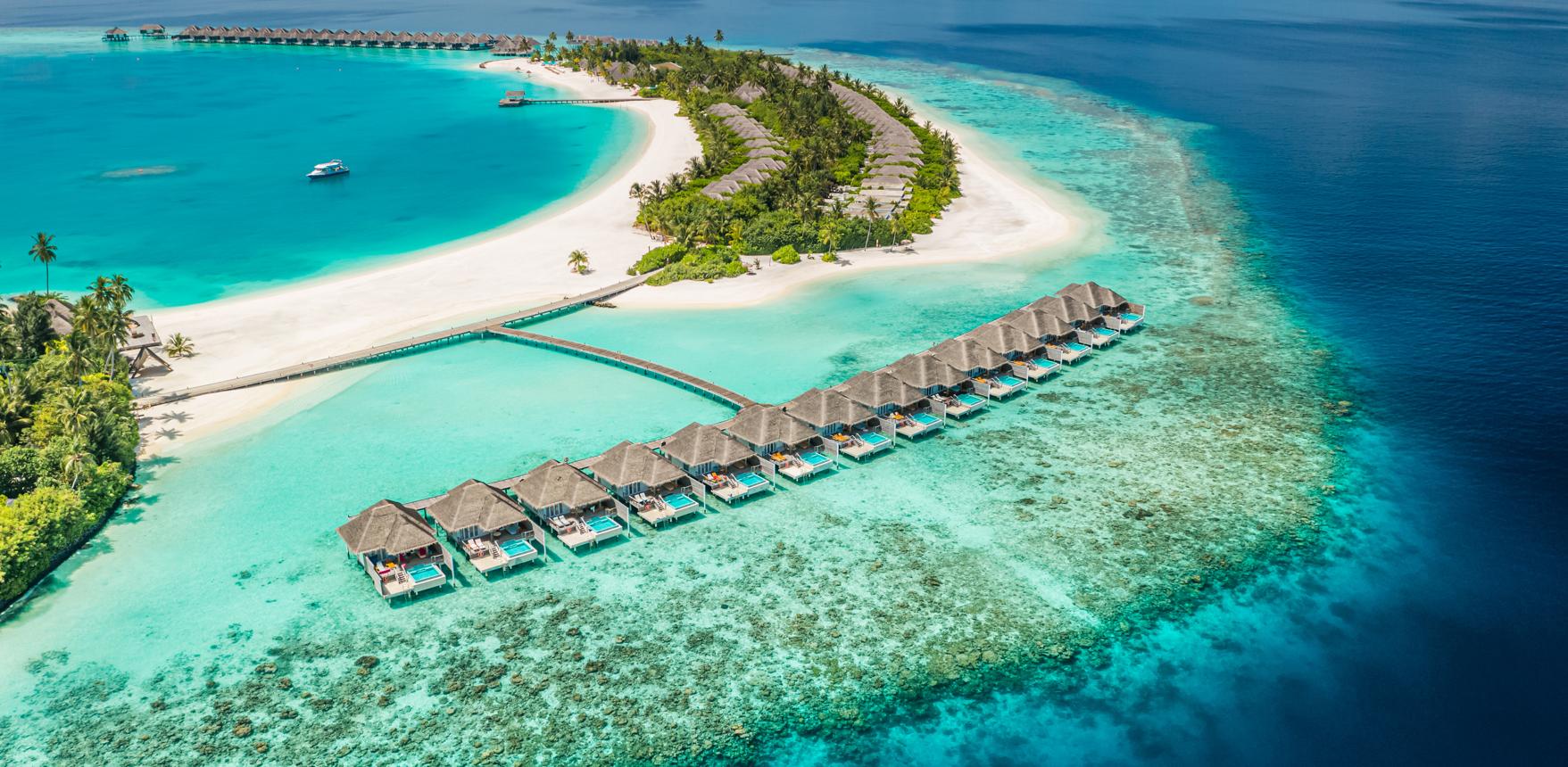
The Maldives is one of the world’s most beautiful tropical destinations, famous for its turquoise lagoons, white-sand beaches, colourful coral reefs and luxurious overwater villas. Located in the Indian Ocean, southwest of Sri Lanka and India, this island nation is made up of hundreds of islands grouped into natural atolls.
For many travellers, the Maldives represents the perfect tropical escape. You can spend your mornings swimming in clear water, afternoons exploring coral reefs and evenings watching the sunset beside the ocean. It is especially popular with couples, honeymooners, families and anyone looking for a peaceful beach holiday.
However, the Maldives is not only about luxury resorts. Travellers can also stay on local islands, experience Maldivian culture, enjoy traditional food and discover marine life through affordable activities and organised excursions.
Whether you are planning a romantic holiday, a family vacation or an adventure focused on snorkelling and diving, the Maldives offers a variety of experiences.
This travel guide covers the best islands, activities, accommodation options, local food, transport and practical tips to help you plan an unforgettable trip.
What Makes the Maldives Special?
The Maldives is different from many other beach destinations because of its geography and natural environment.
Its islands are surrounded by shallow lagoons, coral reefs and warm tropical waters. Many resorts are located on private islands, allowing visitors to enjoy a peaceful environment surrounded by the ocean.
The destination is also known for its marine biodiversity. Depending on the location and season, visitors may encounter reef fish, sea turtles, rays, dolphins and other marine animals.
Some of the reasons travellers choose the Maldives include:
- Beautiful beaches: Enjoy soft white sand and clear turquoise water.
- Overwater villas: Stay in accommodation built above tropical lagoons.
- Snorkelling and diving: Discover coral reefs and colourful marine life.
- Romantic experiences: Enjoy private dining, sunset cruises and peaceful island stays.
- Local culture: Explore inhabited islands and experience Maldivian traditions.
- Water activities: Try kayaking, paddleboarding, fishing and boat excursions.
- Relaxation: Spend time at spas, beaches and peaceful island resorts.
The Maldives offers both high-end luxury and more budget-conscious travel options, depending on the island and accommodation you choose.
Best Places and Islands to Visit in the Maldives
1. Malé
Malé is the capital of the Maldives and one of the country’s main centres for business, transport and local life.
Unlike the quiet resort islands, Malé is a busy urban destination with markets, mosques, restaurants and residential neighbourhoods.
Visitors can explore:
- Republic Square.
- Sultan Park.
- The National Museum.
- Local markets.
- Grand Friday Mosque.
- Traditional cafés and restaurants.
Malé provides an opportunity to understand the everyday life of the Maldives beyond its resorts.
It is also an important arrival point for many international travellers, although some visitors continue directly to their resort or local island.
Travel tip: Malé is relatively compact, so many central attractions can be explored on foot. Dress respectfully when visiting religious and traditional areas.
2. Maafushi
Maafushi is one of the best-known local islands for travellers looking for a more affordable Maldives experience.
It offers guesthouses, restaurants, beach activities and organised excursions.
Unlike private resort islands, Maafushi provides a closer connection to local island life.
Popular activities include:
- Snorkelling trips.
- Sandbank excursions.
- Dolphin-watching tours.
- Fishing experiences.
- Diving activities.
- Boat trips to nearby islands.
Maafushi is a useful choice for travellers who want to enjoy the Maldives without paying luxury resort prices.
Travel tip: Local islands have their own cultural expectations. Visitors should respect local customs and use designated tourist or bikini beaches for swimwear.
3. Hulhumalé
Hulhumalé is a developed island connected to the greater Malé area.
It offers hotels, restaurants, shops and a public beach, making it a convenient option for travellers who want accommodation close to the international airport.
The island has a more urban atmosphere than many smaller resort destinations.
Visitors can enjoy:
- Beach walks.
- Local restaurants.
- Cafés.
- Seafront views.
- Relaxed evening activities.
Hulhumalé can be useful for an overnight stay before an early international flight or after arriving late at night.
4. Dhigurah
Dhigurah is a beautiful local island in the South Ari Atoll region.
It is particularly popular with travellers interested in marine life and water activities.
The island is known for its long sandy beach, clear water and opportunities to join guided excursions.
Depending on conditions and responsible wildlife practices, visitors may be able to arrange trips to look for whale sharks in nearby waters.
Dhigurah is also a good choice for snorkelling, diving and enjoying a quieter island atmosphere.
Travel tip: Wildlife sightings are never guaranteed. Choose responsible operators that maintain appropriate distances and follow marine-life protection guidelines.
5. Fulidhoo
Fulidhoo is a small local island known for its peaceful atmosphere and beautiful natural surroundings.
It offers a slower pace of life compared with some of the busier tourist islands.
Visitors can enjoy:
- Relaxed beach days.
- Snorkelling excursions.
- Local island walks.
- Fishing trips.
- Boat excursions.
- Traditional island hospitality.
It is an excellent choice for travellers who want a quieter experience and do not need a large selection of entertainment facilities.
6. Thulusdhoo
Thulusdhoo is a popular local island in the North Malé Atoll.
It is particularly known among surfers because of nearby surf breaks.
The island also offers guesthouses, cafés, restaurants and opportunities for snorkelling and other water activities.
Visitors can experience a relaxed island lifestyle while enjoying access to nearby beaches and marine attractions.
If surfing is part of your travel plans, check seasonal conditions and local guidance before booking.
7. Baa Atoll
Baa Atoll is a UNESCO Biosphere Reserve and an important destination for marine biodiversity.
Its waters support coral reefs, fish, manta rays and other marine species.
One of its best-known natural attractions is Hanifaru Bay, where seasonal gatherings of manta rays can occur under suitable conditions.
Access to sensitive marine areas is regulated, and visitors should follow authorised operator guidance.
Baa Atoll is an excellent choice for nature lovers and travellers interested in responsible marine tourism.
8. Ari Atoll
Ari Atoll is one of the Maldives’ most popular regions for diving and snorkelling.
Its waters are known for diverse marine life and beautiful underwater environments.
Visitors may encounter reef fish, turtles, rays and, in certain locations and seasons, whale sharks.
The region includes both resort islands and local island communities.
It is particularly attractive to travellers who want to spend much of their holiday exploring the ocean.
9. Vaadhoo Island
Vaadhoo Island is often associated with the natural phenomenon known as the Sea of Stars.
Under certain conditions, bioluminescent plankton can create a glowing effect in the water at night.
This natural phenomenon can make the shoreline appear as though tiny blue lights are shining across the waves.
However, the display is unpredictable and cannot be guaranteed.
Visitors should avoid disturbing marine life and should not assume that every nighttime beach visit will produce this effect.
10. Private Resort Islands
The Maldives is famous for its private resort islands, where hotels occupy their own island environments.
These resorts often offer:
- Overwater villas.
- Beachfront accommodation.
- Private dining experiences.
- Spa facilities.
- Swimming pools.
- Water sports.
- Snorkelling and diving excursions.
- Sunset cruises.
Some resorts are designed for couples and honeymooners, while others offer family facilities, kids’ clubs and activities for different age groups.
When comparing resorts, consider the total cost, meal plan, transfer arrangements, room location and activities included.
Things to Do in the Maldives
1. Snorkelling in Crystal-Clear Water
Snorkelling is one of the easiest ways to experience the underwater beauty of the Maldives.
Many islands have coral reefs nearby, allowing visitors to observe colourful fish and other marine life without requiring advanced diving skills.
Some resorts offer guided reef excursions, while local islands often have organised snorkelling trips.
For a better experience:
- Use suitable snorkelling equipment.
- Follow local safety advice.
- Avoid touching coral.
- Do not chase or feed marine animals.
- Use reef-conscious sun protection where appropriate.
2. Experience Scuba Diving
The Maldives is a world-renowned diving destination.
Its underwater landscapes include coral reefs, channels and marine habitats that support a wide variety of sea life.
Beginners can explore introductory diving experiences with qualified instructors, while experienced divers can choose more advanced excursions.
Before booking, check instructor qualifications, safety arrangements and equipment standards.
3. Stay in an Overwater Villa
An overwater villa is one of the most recognisable accommodation experiences in the Maldives.
These villas are built above lagoons and often feature direct access to the water, private decks and ocean views.
Some offer private pools and additional luxury facilities.
However, overwater accommodation is not essential for enjoying the Maldives. Beach villas and guesthouses can provide equally memorable holidays at different price levels.
4. Take a Sunset Cruise
A sunset cruise is a beautiful way to enjoy the Maldives’ coastal scenery.
Visitors can travel across calm tropical waters while watching the sky change colours as the sun sets over the Indian Ocean.
Depending on the operator, excursions may include refreshments, sightseeing or opportunities to observe dolphins.
Choose a responsible operator and follow safety instructions during the trip.
5. Visit a Sandbank
Sandbanks are small areas of exposed sand surrounded by shallow ocean water.
They create beautiful natural settings for photography, swimming and relaxing.
Many local islands and resorts offer organised sandbank excursions.
Some trips include picnic arrangements or snorkelling opportunities nearby.
Remember that sandbanks are natural environments, so leave no waste and avoid disturbing marine life.
6. Try Traditional Maldivian Fishing
Fishing has long been part of Maldivian life.
Visitors may be able to join traditional fishing excursions with local guides.
These experiences can provide insight into the island nation’s relationship with the ocean.
Choose operators who follow responsible fishing practices and respect local regulations.
7. Enjoy a Spa and Wellness Experience
Many resorts offer spa facilities, massages and wellness experiences.
The peaceful island surroundings make the Maldives an attractive destination for relaxation.
Some properties also offer yoga sessions, meditation and fitness activities.
If your main goal is to disconnect from daily routines, consider choosing accommodation with wellness facilities and a quieter location.
8. Try Kayaking and Paddleboarding
Kayaking and paddleboarding are enjoyable ways to explore the shallow lagoons around many islands.
They are suitable for visitors who prefer gentle outdoor activities rather than diving or fast-paced water sports.
Check weather and water conditions, use appropriate safety equipment and stay within designated activity areas.
Maldivian Food You Should Try
Maldivian cuisine is strongly influenced by the ocean, with fish, coconut, rice and local spices appearing in many traditional dishes.
The food is often simple, flavourful and connected to island life.
Mas Huni
Mas huni is a traditional Maldivian breakfast dish made with tuna, coconut, onion and chilli.
It is commonly served with flatbread known as roshi.
It is one of the best ways to experience a traditional local breakfast.
Garudhiya
Garudhiya is a traditional fish soup, usually prepared with tuna and simple seasonings.
It is commonly served with rice, lime, chilli and other accompaniments.
Fihunu Mas
Fihunu mas is a grilled fish dish prepared with spices.
Fresh seafood is an important part of Maldivian food culture, and this is a popular option for visitors who enjoy grilled fish.
Bis Keemiya
Bis keemiya is a pastry filled with ingredients such as tuna, egg and onion.
It is often enjoyed as a snack.
Gulha
Gulha are small fried savoury dumplings commonly filled with tuna, coconut and spices.
They are popular as a snack and can be found in local cafés.
Rihaakuru
Rihaakuru is a thick, concentrated fish paste made through a traditional preparation process.
It has a strong flavour and is commonly eaten with rice or flatbread.
Coconut-Based Dishes
Coconut is an important ingredient in Maldivian cooking.
It appears in curries, snacks, desserts and drinks.
Visitors should ask about ingredients if they have seafood allergies or other dietary requirements.
Shopping in the Maldives
Shopping in the Maldives is generally more relaxed than in major shopping destinations.
Visitors can explore local shops and markets for souvenirs, crafts and everyday products.
Some popular items include:
- Traditional Maldivian handicrafts.
- Locally inspired decorative items.
- Souvenirs and clothing.
- Coconut-based products.
- Locally produced snacks.
- Small gifts representing island culture.
Malé offers more shopping opportunities than many smaller islands.
Remember that restrictions may apply to the export of certain marine products, shells, coral and wildlife-related items. Avoid buying coral, turtle-shell products or souvenirs made from protected marine species.
Understanding Maldivian Culture and Local Etiquette
The Maldives has a distinctive cultural identity shaped by its island geography, Islamic traditions and relationship with the ocean.
Visitors should understand local customs, especially when staying on inhabited islands.
Dress respectfully: The Maldives is a Muslim-majority country. On local islands, modest clothing is expected in public areas. Swimwear should generally be limited to designated tourist or bikini beaches.
Respect religious sites: Follow local guidance when visiting mosques and other religious places.
Understand Ramadan: During Ramadan, daily routines and business hours may change. Follow local guidance about eating, drinking and smoking in public during fasting hours.
Ask before taking photographs: Request permission before photographing local residents, particularly in private or sensitive settings.
Respect local traditions: Be considerate of religious customs and community expectations.
Understand resort and local island differences: Private resorts may have different visitor arrangements from inhabited islands. Do not assume that the same rules apply everywhere.
Learning a few basic Dhivehi expressions can also make interactions more welcoming.
Getting Around the Maldives
Transport in the Maldives is different from most destinations because the country is made up of many separate islands.
Choosing the right transfer method is an important part of planning your holiday.
Speedboats
Speedboats are commonly used for transfers between Malé, nearby local islands and resorts.
They can be a convenient option for shorter journeys.
Always confirm the transfer schedule with your accommodation before arrival.
Seaplanes
Seaplanes are often used to reach more distant resort islands.
They provide spectacular aerial views of the atolls and turquoise lagoons.
However, they generally operate during daylight hours and may have luggage restrictions.
Check the transfer price and baggage allowance before booking.
Domestic Flights
Domestic flights connect Malé with selected regional airports.
Some journeys may require an additional speedboat transfer to reach the final island.
Public Ferries
Public ferries are a more affordable option for travelling between certain inhabited islands.
However, schedules may be limited, and services may not operate every day.
They are not always suitable for visitors with tight flight connections.
Walking
Many local islands and resort islands are small enough to explore on foot.
Walking is an enjoyable way to discover beaches, local streets and nearby facilities.
Best Time to Visit the Maldives
The Maldives has a tropical climate with warm temperatures throughout the year.
However, rainfall and sea conditions vary by season.
November to April: This period is generally considered the dry season, with more sunshine and favourable conditions for many beach and water activities. It is also a popular travel period, so accommodation prices may be higher.
May to October: This is generally the wetter southwest monsoon period. Rainfall and wind can increase, although sunny periods still occur. Some travellers choose this season for potentially lower accommodation prices.
March and April: These months can offer warm conditions and are often popular with visitors looking for beach holidays.
The best time ultimately depends on your budget, preferred activities and tolerance for changing weather.
If you are planning a diving or wildlife excursion, ask local operators about seasonal conditions rather than assuming sightings are guaranteed.
Where to Stay in the Maldives
Accommodation is one of the most important decisions when planning a Maldives holiday.
Your choice affects your budget, activities, transport arrangements and overall experience.
Luxury Private Resorts
Private island resorts are ideal for travellers who want privacy, luxury facilities and a complete holiday experience.
They often offer multiple restaurants, spas, swimming pools and organised excursions.
However, the total cost can be high, especially when transfers, meals and activities are added.
Local Island Guesthouses
Local island guesthouses are a good choice for budget-conscious travellers.
They provide opportunities to experience local culture while enjoying access to beaches and organised activities.
Maafushi, Dhigurah, Fulidhoo and Thulusdhoo are examples of islands with tourist accommodation options.
Hotels in Malé and Hulhumalé
These areas can be useful for short stays, airport connections and travellers who want to explore the capital region.
They are particularly practical when flight schedules do not match resort transfer arrangements.
How to Choose the Right Accommodation
Before booking, compare:
- Total accommodation cost.
- Airport transfer charges.
- Meal plans.
- Beach access.
- Water activities.
- Family facilities.
- Cancellation policies.
- Included taxes and service charges.
Do not compare room prices alone. A resort with a lower advertised rate may have additional transfer and dining costs.
A Practical 5-Day Maldives Itinerary
Five days can provide a relaxing introduction to the Maldives, particularly if you choose one island as your main base.
Day 1: Arrival and Island Relaxation
- Arrive at Velana International Airport.
- Complete your pre-arranged transfer.
- Check into your accommodation.
- Explore the nearby beach.
- Enjoy a relaxed evening beside the ocean.
Day 2: Snorkelling and Marine Life
- Start the day with a snorkelling excursion.
- Explore coral reefs with a guide.
- Enjoy lunch at your accommodation or a local restaurant.
- Spend the afternoon relaxing.
- Watch the sunset from the beach.
Day 3: Sandbank and Water Activities
- Take an organised sandbank excursion.
- Enjoy swimming and photography.
- Try kayaking or paddleboarding.
- Return to your island for a relaxed evening.
Day 4: Local Culture and Island Exploration
- Explore the local island or visit Malé if your location makes it practical.
- Discover local food and shops.
- Learn about Maldivian culture and traditions.
- Enjoy a traditional dinner.
Day 5: Relaxation and Departure
- Enjoy breakfast.
- Spend some time at the beach.
- Complete your checkout.
- Transfer to the airport according to your flight schedule.
If you are staying at a private resort, you can replace the local island activities with spa treatments, diving, sunset cruises or other resort experiences.
Practical Travel Tips for the Maldives
Before travelling, keep these important points in mind:
- Check entry requirements: Confirm current visa and entry conditions through official Maldives immigration information.
- Plan airport transfers: Arrange speedboat, seaplane or domestic flight transfers with your accommodation.
- Check baggage limits: Seaplanes and some transfers have specific luggage restrictions.
- Understand local customs: Dress modestly on inhabited islands and follow local rules.
- Carry sun protection: Tropical sunlight can be strong, even when the weather feels pleasant.
- Stay hydrated: Drink sufficient water, particularly during outdoor activities.
- Compare meal plans: Food and drinks can be expensive at some private resorts.
- Bring suitable footwear: Water shoes or sandals may be useful for certain beaches and excursions.
- Respect marine life: Never touch coral, chase animals or participate in harmful wildlife activities.
- Check weather conditions: Boat transfers and water activities may be affected by wind and rainfall.
- Carry payment options: Cards are accepted at many resorts, but local currency may be useful on inhabited islands.
- Understand alcohol regulations: Alcohol is generally restricted outside licensed resort settings. Follow local laws and resort policies.
- Consider travel insurance: Choose suitable cover for medical needs, trip interruptions and planned water activities.
- Plan your departure: Leave sufficient time for transfers between your island and international flight.
Responsible Travel in the Maldives
The Maldives’ natural beauty depends heavily on healthy coral reefs, clean beaches and protected marine ecosystems.
Tourism can support local communities and conservation, but visitors also have a responsibility to protect the environment.
Avoid standing on or touching coral reefs, never collect coral or marine animals, and do not leave waste on beaches.
Choose responsible snorkelling and diving operators who follow marine wildlife guidelines.
Avoid excursions that involve chasing, feeding or handling wild animals. Responsible wildlife viewing should always prioritise the animals’ welfare.
Support local businesses when staying on inhabited islands, respect community traditions and follow environmental rules at your accommodation.
The Maldives is particularly vulnerable to environmental changes, including rising sea levels and coral reef stress. Making responsible choices helps protect this remarkable island environment for future generations.
Final Thoughts
The Maldives is more than a destination for luxury resorts and overwater villas. It is a beautiful island nation with a distinctive culture, welcoming communities and remarkable marine environments.
From exploring the local streets of Malé and enjoying the beaches of Maafushi to snorkelling in coral-rich waters and relaxing in a private island resort, there are experiences for different travel styles and budgets.
Whether you are planning a honeymoon, a family holiday or a peaceful escape from everyday life, the Maldives offers an opportunity to slow down and enjoy the natural beauty of the Indian Ocean.
Plan your island transfers carefully, respect local customs and protect the marine environment. With the right preparation, a Maldives holiday can become one of the most memorable travel experiences of your life.