Budapest Travel Guide: Best Places to Visit & Things to Do
Introduction
Budapest is one of Europe’s most beautiful and fascinating capital cities. Located in Hungary, it is famous for its historic architecture, relaxing thermal baths, impressive bridges, lively cafés and beautiful views along the Danube River.
The city was formed through the unification of three historic settlements: Buda, Pest and Óbuda. Today, Buda and Pest are the two most recognised sides of the capital, separated by the Danube and connected by several impressive bridges.
Budapest offers something for almost every kind of traveller. History enthusiasts can explore castles, churches and museums, while food lovers can discover traditional Hungarian dishes and local cafés. Visitors looking for relaxation can enjoy the city’s famous thermal baths, and those interested in nightlife will find lively bars and entertainment districts.
Whether you are planning a short European city break or a longer holiday in Hungary, Budapest is a destination worth exploring. This guide covers its most famous attractions, cultural experiences, food, transport, accommodation and practical travel advice.
What Makes Budapest Special?
Budapest combines historic European architecture with a lively modern atmosphere. Its streets feature grand buildings, elegant squares, traditional cafés and attractive riverside promenades.
One of the city’s biggest attractions is its relationship with the Danube River. Many famous landmarks are located along the riverbanks, creating beautiful views during the day and particularly impressive scenery after dark.
Budapest is also known for its thermal water culture. Natural hot springs have been used in the city for centuries, and visitors can still experience traditional bathing facilities today.
Some of the reasons travellers love Budapest include:
- Historic architecture: Discover grand buildings, churches, castles and historic streets.
- Thermal baths: Relax in traditional hot-water pools and spa facilities.
- Danube River views: Enjoy beautiful scenery from bridges, riverbanks and boat cruises.
- Hungarian cuisine: Try traditional dishes, pastries and local specialities.
- Cultural experiences: Explore museums, markets, galleries and historic neighbourhoods.
- Nightlife: Experience cafés, bars, restaurants and famous ruin bars.
- Affordable experiences: Enjoy a variety of attractions, public spaces and local food at different price levels.
Budapest is also a convenient base for exploring other destinations in Hungary.
Best Places to Visit in Budapest
1. Hungarian Parliament Building
The Hungarian Parliament Building is one of Budapest’s most famous landmarks and an essential stop for first-time visitors.
Located beside the Danube River, this magnificent building is known for its impressive Gothic Revival architecture, decorative towers, central dome and detailed exterior.
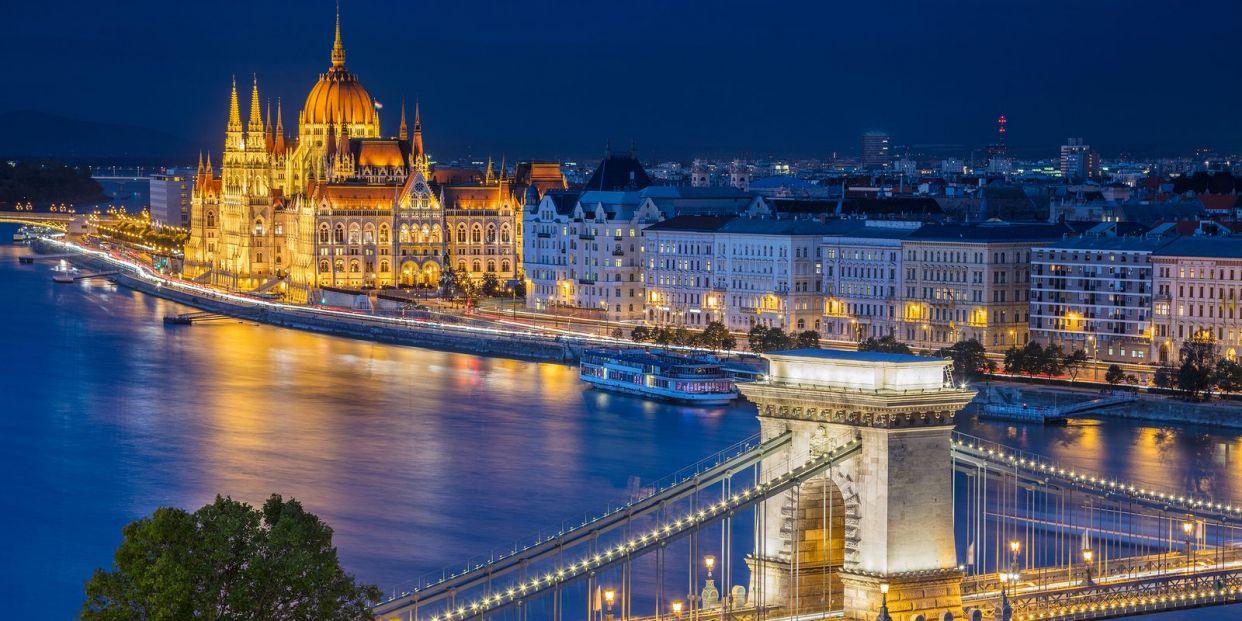
Its riverside location makes it particularly attractive for photography. During the evening, the illuminated building creates one of the most memorable views in the city.
Visitors can admire the exterior from the riverbanks or explore designated interior areas through organised tours.
Inside, the building features grand halls, decorative staircases and historic spaces connected to Hungary’s political history.
Travel tips:
- Consider visiting during both daytime and evening.
- Check official tour schedules and ticket availability.
- Book an interior visit in advance when possible.
- Respect security requirements and visitor instructions.
Even if you do not enter the building, viewing it from across the Danube is an experience worth including in your itinerary.
2. Buda Castle
Buda Castle stands above the western bank of the Danube and is one of Budapest’s most important historic landmarks.
The castle complex has played a significant role in Hungary’s history and offers impressive views over the city.
Today, the surrounding area includes historic buildings, cultural institutions, courtyards and attractive streets.
Visitors can explore the castle district, enjoy panoramic views and discover museums and galleries located within the complex.
The surrounding neighbourhood is also worth exploring, with traditional architecture and peaceful streets offering a different atmosphere from the busier Pest side.
Travel tip: Wear comfortable shoes because the castle district includes slopes, stairs and uneven historic streets.
3. Fisherman’s Bastion
Fisherman’s Bastion is one of the most photographed attractions in Budapest.
Located in the Buda Castle District, it features beautiful white stone terraces, decorative towers and architectural details inspired by historic styles.
Its elevated position provides impressive views across the Danube towards the Parliament Building and the Pest side of the city.
The structure looks particularly attractive in the early morning when the surroundings are quieter.
It is an excellent location for photography and a relaxing walk.
Nearby, you can also explore Matthias Church, making this area an ideal combination for a half-day sightseeing trip.
4. Matthias Church
Matthias Church is a historic religious building located near Fisherman’s Bastion.
It is known for its colourful patterned roof, detailed architectural features and beautiful interior decorations.
The church has witnessed important moments in Hungarian history and remains an important cultural and religious landmark.
Visitors can explore designated areas, admire the architecture and learn about the building’s history.
Because it is an active religious site, visitors should dress respectfully and follow any instructions regarding photography and access.
5. Chain Bridge
The Széchenyi Chain Bridge is one of Budapest’s most recognisable bridges.
It connects the Buda and Pest sides of the city and provides beautiful views of the Danube and surrounding architecture.
The bridge is particularly attractive at night when its lighting creates a memorable scene against the historic city skyline.
Walking across it is a simple but enjoyable way to experience Budapest.
It also provides convenient access between several major attractions, including the Buda Castle area and central Pest.
6. St. Stephen’s Basilica
St. Stephen’s Basilica is one of Budapest’s most important religious buildings.
Its impressive dome, detailed interior and elegant architecture make it a popular attraction for visitors.
The basilica is named after Stephen I, the first King of Hungary, and is closely connected to the country’s Christian history.
Visitors can admire the interior and, where access is available, visit the upper viewing area for panoramic city views.
The surrounding square is also a pleasant place to enjoy cafés, restaurants and the atmosphere of central Budapest.
7. Heroes’ Square
Heroes’ Square is one of the city’s most important public spaces.
It features a large monument celebrating important figures from Hungarian history, with statues representing historical leaders and national heritage.
The square is located near City Park and is surrounded by important cultural buildings.
It is a useful starting point for exploring this part of Budapest.
Visitors can also combine the square with a trip to nearby museums and the famous Széchenyi Thermal Bath.
8. City Park
City Park, known locally as Városliget, is one of Budapest’s most popular green spaces.
It offers walking paths, open areas, recreational facilities and several attractions.
Visitors can enjoy a relaxing walk, spend time outdoors or explore nearby cultural landmarks.
The park is also home to attractions such as Vajdahunyad Castle and the Széchenyi Thermal Bath.
It is an excellent choice for travellers who want a break from busy sightseeing streets.
9. Vajdahunyad Castle
Located in City Park, Vajdahunyad Castle is an attractive architectural complex featuring a mixture of styles inspired by different historic buildings across Hungary.
Its towers, courtyards and surrounding water create a beautiful setting for photography.
The castle is particularly interesting because it presents different architectural influences in one location.
Visitors can explore the exterior and, depending on current access arrangements, visit the museum housed within the complex.
10. Great Market Hall
The Great Market Hall, also known as the Central Market Hall, is one of Budapest’s most popular shopping and food destinations.
The historic building features a large interior with market stalls selling fresh produce, local ingredients, traditional food and souvenirs.
It is a great place to discover Hungarian flavours and observe everyday shopping culture.
Visitors can look for:
- Hungarian paprika.
- Traditional sweets and pastries.
- Local cheeses and food products.
- Sausages and other regional specialities.
- Handmade souvenirs and crafts.
Try some local snacks while exploring, but check opening days and hours before visiting.
11. Széchenyi Thermal Bath
Budapest is famous for its thermal baths, and Széchenyi Thermal Bath is among the best-known.
Located in City Park, it features several indoor and outdoor pools supplied by natural thermal water.
The large outdoor pools are particularly memorable, especially during colder months when the warm water creates an atmospheric contrast with the surrounding air.
Visitors can enjoy different pools and spa facilities, depending on the available services and ticket type.
Travel tips:
- Bring suitable swimwear.
- Check whether towels and other facilities are included in your ticket.
- Review the current bathing rules.
- Book ahead during busy travel periods.
- Follow any health and safety instructions.
A visit to a thermal bath is one of the experiences that makes Budapest different from many other European cities.
12. Gellért Hill
Gellért Hill offers some of the most impressive views of Budapest.
The elevated location overlooks the Danube, bridges and surrounding cityscape.
Visitors can enjoy walking routes and viewpoints, although access and construction arrangements may change over time.
It is a particularly attractive destination for photography, especially around sunrise or sunset.
Check current access information before planning your visit, as sections of the area may occasionally be affected by renovation work.
13. Margaret Island
Margaret Island is a peaceful green space located in the middle of the Danube.
It offers walking and cycling paths, gardens, open spaces and recreational facilities.
It is an excellent place to relax after spending time exploring the city’s historic attractions.
Visitors can rent bicycles where available, enjoy a picnic or simply walk through the landscaped surroundings.
The island is especially appealing during spring and summer when the gardens and outdoor spaces are more vibrant.
Experiences You Should Not Miss
Enjoy a Danube River Cruise
A river cruise is one of the best ways to experience Budapest’s architecture and riverside landmarks.
From the water, visitors can admire the Parliament Building, bridges, historic buildings and the illuminated city skyline.
Daytime cruises provide excellent opportunities for sightseeing and photography, while evening cruises offer a different atmosphere with the city’s landmarks beautifully lit.
Some services offer refreshments or dining experiences, depending on the package.
Compare departure locations, duration and inclusions before booking.
Explore Budapest’s Famous Ruin Bars
Budapest has a distinctive nightlife scene, particularly in the historic Jewish Quarter.
One of its most famous features is the ruin bar: an entertainment venue created within an old or unusual building, often decorated with mismatched furniture, artwork and creative interior designs.
Szimpla Kert is one of the best-known examples.
These venues offer a different atmosphere from traditional bars and are popular with visitors interested in nightlife and alternative spaces.
You do not need to drink alcohol to appreciate the atmosphere. Many areas also offer cafés, restaurants and non-alcoholic options.
Discover the Jewish Quarter
The Jewish Quarter is an important historic and cultural neighbourhood in Budapest.
It features historic synagogues, memorials, restaurants, cafés and lively streets.
The Dohány Street Synagogue is one of the area’s most significant landmarks and an important site connected to Jewish history in Hungary.
Visitors should take time to understand the historical importance of the neighbourhood and approach memorial sites respectfully.
Walk Along the Danube Promenade
The Danube Promenade is an excellent place for a relaxed walk with views of the river and historic architecture.
It connects several important parts of central Budapest and offers opportunities to stop at cafés, restaurants and viewpoints.
One particularly significant memorial is the Shoes on the Danube Bank, which commemorates Jewish people murdered during the Second World War.
Visitors should treat the memorial with respect and take time to understand its historical meaning.
Traditional Hungarian Food to Try
Hungarian cuisine is known for rich flavours, hearty meals, paprika and traditional pastries.
Budapest is an excellent place to explore local dishes, from casual street food to traditional restaurants.
Goulash
Goulash, known in Hungary as gulyás, is one of the country’s best-known dishes.
It is a traditional soup or stew prepared with meat, vegetables and paprika. Recipes vary, but it is commonly served as a warming and flavourful meal.
Chicken Paprikash
Chicken paprikash is a traditional dish made with chicken and a rich paprika-based sauce.
It is often served with dumplings or another accompaniment.
Its creamy texture and distinctive flavour make it a popular choice for visitors.
Lángos
Lángos is a popular Hungarian street food made from fried dough.
It is commonly served with garlic, sour cream and cheese, although other toppings are also available.
It is a filling snack that is easy to find at markets and casual food stalls.
Kürtőskalács
Kürtőskalács, sometimes called chimney cake, is a sweet pastry prepared around a cylindrical baking spit.
It is often coated with sugar and may include cinnamon, nuts or other toppings.
Its shape and caramelised exterior make it a popular treat among visitors.
Pörkölt
Pörkölt is a traditional Hungarian meat stew prepared with onions and paprika.
It is commonly served with dumplings or other side dishes.
Hungarian Desserts
Budapest also has a strong café and pastry culture.
Try traditional cakes and pastries such as Dobos cake and Esterházy cake if you enjoy desserts.
Hungarian food can contain meat, dairy and other allergens, so ask restaurants about ingredients if you have dietary restrictions.
Shopping in Budapest
Budapest offers a mixture of modern shopping centres, historic shopping streets and traditional markets.
Some popular shopping areas include:
Váci Street: A central shopping street with boutiques, souvenir shops and cafés.
Great Market Hall: A useful place to discover local food products, paprika, souvenirs and traditional goods.
Andrássy Avenue: Known for elegant buildings, boutiques and a more refined shopping atmosphere.
WestEnd City Center: A large shopping centre with a wide range of retail stores and dining options.
Arena Mall: Another major shopping destination with international brands and entertainment facilities.
If you are looking for meaningful souvenirs, consider Hungarian paprika, locally made crafts, traditional sweets and small decorative items.
Best Areas to Explore in Budapest
Budapest is divided into several districts, each offering a different experience.
District V – Belváros-Lipótváros: Ideal for first-time visitors who want to stay close to the Parliament, Danube Promenade, restaurants and central attractions.
District I – Castle District: A beautiful historic area near Buda Castle, Fisherman’s Bastion and Matthias Church. It is particularly suitable for travellers interested in history and architecture.
District VI – Terézváros: A convenient area near Andrássy Avenue, cultural attractions and several restaurants.
District VII – Jewish Quarter: A lively neighbourhood known for cafés, nightlife, historic sites and restaurants.
District IX – Ferencváros: Offers local restaurants, cultural attractions and access to parts of the Danube waterfront.
Choose accommodation based on your preferred atmosphere, budget and access to public transport.
Getting Around Budapest
Budapest has a well-developed public transport network that makes exploring the city relatively easy.
Metro
The Budapest Metro is useful for travelling between central areas and major attractions.
The network includes several lines connecting different parts of the city.
Trams
Trams are one of the most convenient ways to travel around Budapest.
Some routes offer attractive views of the Danube and historic buildings, making the journey enjoyable as well as practical.
Buses
Buses serve areas that are not directly connected by metro or tram.
They can be useful when travelling to neighbourhoods, attractions and locations outside the central tourist areas.
Walking
Many central attractions are close enough to explore on foot.
Walking is particularly enjoyable around the Danube, the historic city centre and the Castle District.
However, wear comfortable shoes because some routes include slopes and uneven streets.
Taxis and Ride-Hailing
Taxis are available throughout the city. Use licensed services and confirm the expected fare or booking details before travelling.
Ride-hailing availability and services can vary, so check local options when you arrive.
Public Transport Tickets
Budapest offers different ticket and travel-pass options.
Choose according to the length of your stay and how frequently you expect to use public transport. Make sure you understand validation requirements and keep your ticket available during your journey.
Best Time to Visit Budapest
Budapest is a year-round destination, but the best time depends on your preferred activities.
March to May: Spring brings milder temperatures and increasingly pleasant conditions for walking and sightseeing. Parks and outdoor spaces become more attractive.
June to August: Summer is popular for outdoor activities, river cruises, festivals and evening walks. However, temperatures can become hot, and major attractions may be busy.
September to October: Autumn offers comfortable sightseeing conditions, attractive colours and a slightly calmer atmosphere after the busiest summer period.
November to February: Winter brings colder weather and shorter daylight hours, but Budapest has a special atmosphere during the festive season. Christmas markets, illuminated streets and warm thermal baths make winter visits appealing.
For a balanced experience, spring and early autumn are excellent choices.
Where to Stay in Budapest
Budapest offers accommodation for different budgets, from hostels and guesthouses to boutique hotels and luxury properties.
District V: A strong choice for first-time visitors who want central access to attractions and restaurants.
District I: Suitable for travellers who prefer historic surroundings and quieter evenings near the Castle District.
District VI: A convenient option for shopping, culture and transport connections.
District VII: Ideal for visitors interested in restaurants, cafés and nightlife, although some streets can be lively late into the evening.
District IX: Worth considering for travellers seeking accommodation outside the busiest tourist areas while maintaining good transport access.
Before booking, check the distance to public transport, nearby facilities and the atmosphere of the surrounding streets.
A Practical 3-Day Budapest Itinerary
Three days are enough to experience many of Budapest’s most famous attractions.
Day 1: Historic Budapest
- Begin with a visit to the Hungarian Parliament Building.
- Walk along the Danube Promenade.
- Cross the Chain Bridge.
- Explore Buda Castle.
- Visit Fisherman’s Bastion and Matthias Church.
- Enjoy an evening river cruise.
Day 2: Thermal Baths and City Attractions
- Start the day at Heroes’ Square.
- Explore City Park and Vajdahunyad Castle.
- Spend a few hours at Széchenyi Thermal Bath.
- Visit St. Stephen’s Basilica.
- Enjoy dinner at a traditional Hungarian restaurant.
Day 3: Markets and Local Culture
- Visit the Great Market Hall.
- Explore the Jewish Quarter.
- Discover the Dohány Street Synagogue and surrounding historic streets.
- Enjoy a traditional pastry at a local café.
- Finish with a relaxing walk along the Danube or a visit to Margaret Island.
You can adjust the itinerary depending on museum schedules, weather and your personal interests.
Practical Travel Tips for Budapest
Before travelling, keep these useful points in mind:
- Currency: Hungary uses the Hungarian forint (HUF). Some businesses accept euros, but local currency is generally useful.
- Payments: Cards are widely accepted, but carrying a small amount of cash can be helpful.
- Transport tickets: Understand ticket validation rules before using public transport.
- Comfortable shoes: Historic streets and the Castle District can involve considerable walking.
- Weather: Pack according to the season, especially during cold winters.
- Thermal baths: Check bathing rules, facilities and ticket conditions before visiting.
- Restaurant bills: Check whether service charges are already included.
- Tourist areas: Be aware of your belongings in crowded areas and on public transport.
- Reservations: Book popular attractions and river cruises in advance during busy periods.
- Travel documents: Check Hungary’s current entry and visa requirements based on your nationality and travel documents.
- Local language: Hungarian is the official language. Learning a few basic expressions can be helpful, although English is commonly used in many tourist-facing businesses.
- Respect historical sites: Some landmarks are memorials or active religious places, so behave respectfully when visiting.
Responsible Travel in Budapest
Budapest’s historic buildings, cultural institutions and public spaces are important parts of Hungary’s heritage.
Visitors can help preserve them by following local rules, respecting historic monuments and avoiding damage to buildings or public property.
When visiting memorials, take time to understand their significance and avoid treating sensitive sites as ordinary photo locations.
Support local cafés, independent shops and traditional restaurants where possible. Use public transport when convenient, dispose of waste responsibly and respect residents in busy neighbourhoods.
If you visit thermal baths, follow their hygiene and safety requirements and respect other visitors.
Responsible tourism helps ensure that Budapest remains an enjoyable destination for both travellers and the people who live there.
Final Thoughts
Budapest is a city that rewards visitors with a remarkable combination of history, architecture, relaxation and culture.
From the magnificent Hungarian Parliament Building and the views at Fisherman’s Bastion to the warmth of its thermal baths and the atmosphere of its traditional cafés, the city offers experiences that appeal to many different kinds of travellers.
Its bridges, historic neighbourhoods, food markets and riverside views create an atmosphere that is difficult to forget.
Whether you are visiting for a short city break or including Hungary in a wider European journey, Budapest deserves a place on your travel list. Take time to explore both sides of the Danube, enjoy the local food and discover the history behind the city’s beautiful landmarks.