Bali Travel Guide: Top Sights, Local Culture and Practical Tips
Introduction
Bali is one of the most fascinating travel destinations in Southeast Asia, attracting visitors with its beautiful landscapes, cultural traditions, tropical beaches and welcoming atmosphere. Located in Indonesia, this island offers a remarkable combination of natural beauty and cultural experiences that appeal to almost every type of traveller.
Whether you are planning a relaxing beach holiday, an adventurous escape or a cultural journey, Bali has something worth discovering. From the green rice terraces of Ubud to the dramatic coastal cliffs of Uluwatu, every part of the island offers a different experience.
What makes Bali particularly special is the way traditional life exists alongside modern tourism. You can explore centuries-old temples in the morning, enjoy traditional Indonesian food for lunch and spend the evening at a stylish beachfront restaurant.
However, Bali is much more than its popular photographs on social media. Its villages, religious ceremonies, local markets and natural landscapes provide a deeper understanding of Indonesian island culture.
This guide explores the best places to visit, cultural experiences, local food, accommodation options and practical travel advice to help you plan a memorable Bali holiday.
What Makes Bali a Special Travel Destination?
Bali stands out because it combines several travel experiences within one relatively small island. Visitors do not have to choose between beaches, cultural attractions, outdoor activities and excellent food because all of these experiences can be included in one journey.
One of the island’s most distinctive features is Balinese Hindu culture. Religious traditions influence everyday life, from temple ceremonies to the small flower offerings known as canang sari that can be seen outside homes, shops and businesses.
Nature is another major attraction. Bali’s landscape includes volcanic mountains, tropical forests, waterfalls, rice fields and beautiful coastlines.
The island also offers different atmospheres depending on where you stay. Ubud is particularly popular for culture and nature, while Seminyak and Canggu attract visitors interested in restaurants, shopping and beach clubs. Uluwatu is famous for its coastal scenery and spectacular sunsets.
This variety makes Bali suitable for couples, families, solo travellers and adventure enthusiasts.
Top Places to Visit in Bali
1. Ubud – The Cultural Heart of Bali
Ubud is one of the most popular destinations on the island, especially among travellers interested in traditional culture, art and natural scenery.
Surrounded by forests, rivers and rice fields, the town provides a peaceful atmosphere compared with some of Bali’s busier coastal areas.
Visitors can explore traditional art galleries, local markets, cultural performances and nearby temples. Ubud is also an excellent starting point for discovering the island’s countryside.
Some popular experiences include:
- Exploring the traditional Ubud Art Market.
- Visiting the Sacred Monkey Forest Sanctuary.
- Discovering local Balinese art and handicrafts.
- Enjoying traditional dance performances.
- Exploring nearby waterfalls and countryside.
Ubud is also known for wellness retreats, yoga studios and spa experiences, making it a popular choice for travellers seeking relaxation.
2. Tegallalang Rice Terraces – A Beautiful Natural Landscape
The Tegallalang Rice Terraces are among Bali’s most photographed natural attractions.
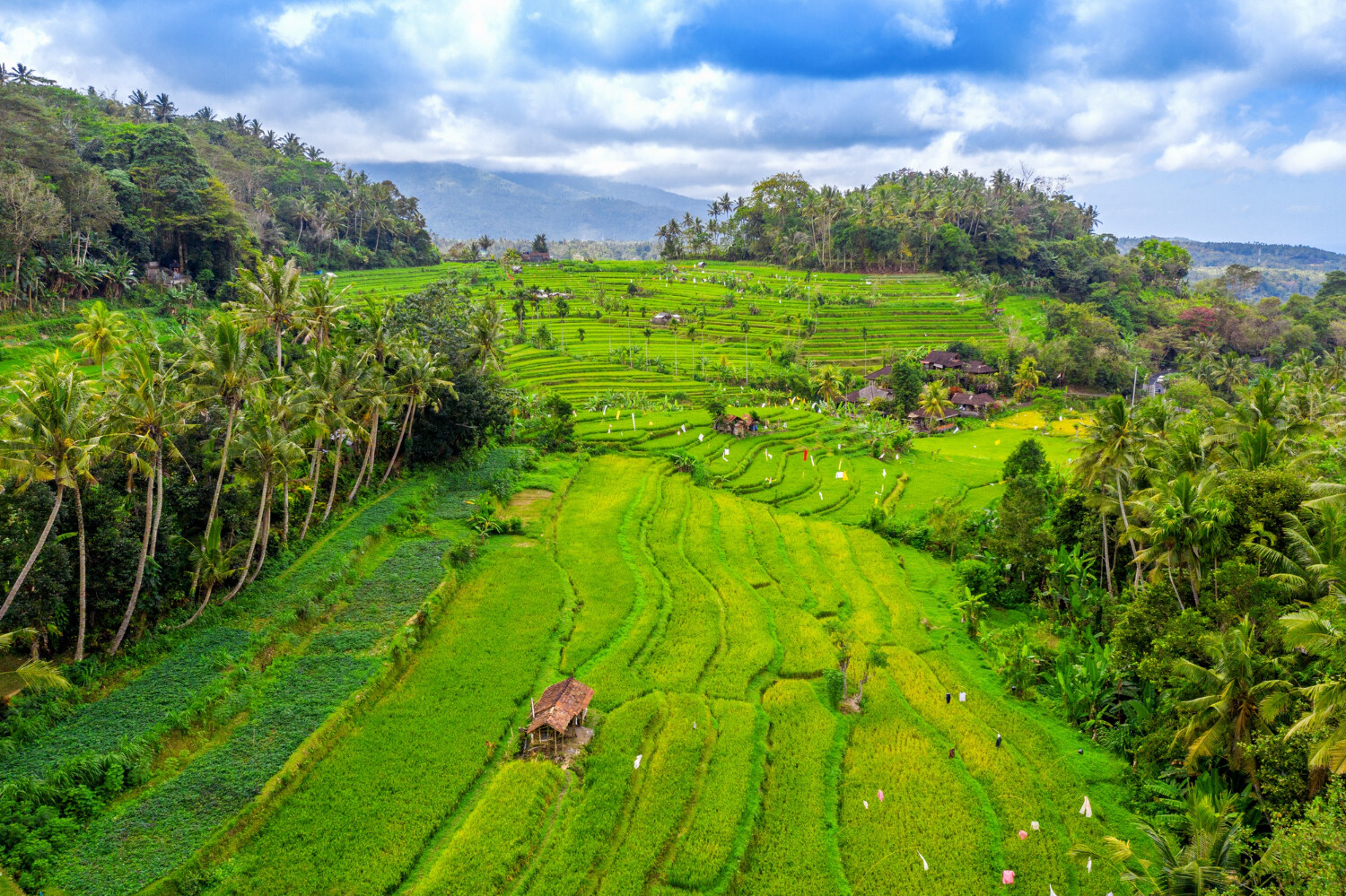
Located north of Ubud, these terraces showcase the island’s traditional rice-growing landscape. Their layered green fields create a beautiful pattern across the hillsides.
The terraces are associated with the traditional Balinese irrigation system known as subak. This community-based system reflects the relationship between agriculture, water management and religious traditions.
Visitors can walk through designated areas, photograph the landscape and visit nearby cafes overlooking the rice fields.
Early morning is often a pleasant time to visit because the temperatures are generally cooler and the area may be less crowded.
3. Tanah Lot Temple – A Temple Surrounded by the Sea
Tanah Lot is one of Bali’s most recognisable religious landmarks.
The temple stands on a rocky formation along the coastline and becomes particularly impressive during sunset. During suitable tidal conditions, the surrounding ocean creates a dramatic setting.
Tanah Lot has significant cultural and religious importance for local communities.
Visitors should remember that the temple is an active religious site. Access to certain areas may be restricted, and visitors should follow local instructions.
The surrounding grounds also offer viewpoints, small shops and places to enjoy the coastal atmosphere.
4. Uluwatu Temple – Dramatic Cliffs and Ocean Views
Located on Bali’s southern peninsula, Uluwatu Temple stands high above the Indian Ocean.
Its position along the cliffs makes it one of the most impressive places to enjoy coastal scenery and sunset views.
The temple is also famous for its traditional Kecak dance performances, which are commonly organised around sunset.
Visitors can experience traditional Balinese storytelling while watching performers create rhythmic sounds and movements against the ocean backdrop.
Because monkeys live around the temple grounds, visitors should secure their glasses, phones and other personal belongings.
5. Besakih Temple – The Mother Temple of Bali
Besakih Temple is one of the most important Hindu religious complexes in Bali.
Located on the slopes of Mount Agung, it consists of multiple temples spread across an elevated landscape.
Its architecture, religious importance and mountain setting make it an interesting destination for travellers wanting to understand Balinese spiritual traditions.
A visit to Besakih offers more than sightseeing. It provides an opportunity to appreciate the role religion plays in local community life.
Visitors should dress respectfully and follow the guidance provided at the entrance.
Bali’s Beaches: Where to Enjoy the Coastline
Bali’s beaches offer different experiences depending on their location and surrounding environment.
Some beaches are suitable for swimming and relaxation, while others attract surfers and visitors interested in coastal restaurants.
Seminyak Beach
Seminyak Beach is popular for its restaurants, beachfront accommodation and lively atmosphere.
It is particularly attractive to travellers who enjoy watching sunsets while relaxing at a beachside cafe.
The surrounding neighbourhood also offers shopping opportunities, spas and international dining.
Sanur Beach
Sanur provides a quieter atmosphere compared with some of Bali’s busier coastal destinations.
Its coastline is known for calmer waters in many areas, a beachfront walking path and beautiful sunrise views.
It is a good option for families and travellers who prefer a more relaxed holiday environment.
Nusa Dua
Nusa Dua is known for its resort properties, landscaped surroundings and organised beach areas.
Many visitors choose this destination for a comfortable holiday with access to hotel facilities, restaurants and water-based activities.
Nusa Penida
Although it is a separate island southeast of Bali, Nusa Penida is a popular addition to many Bali itineraries.
Its dramatic coastal landscapes include famous viewpoints such as Kelingking Beach and Broken Beach.
Visitors generally reach the island by boat. Travel conditions can vary, so it is important to check sea conditions and transport arrangements before departure.
Understanding Balinese Culture and Traditions
Bali’s cultural identity is one of its strongest attractions.
Balinese Hinduism influences many aspects of everyday life, including family traditions, community ceremonies, architecture and festivals.
One familiar sight is the small decorative offering known as canang sari. These offerings are prepared using flowers and other materials and placed in designated areas as part of daily religious practice.
Visitors may also encounter ceremonies near temples, village streets and family compounds.
Respectful behaviour is important when visiting religious locations.
Keep these simple guidelines in mind:
- Wear appropriate clothing when entering temples.
- Cover your shoulders and legs where required.
- Follow instructions about footwear and restricted areas.
- Avoid interrupting religious ceremonies.
- Ask permission before photographing people.
- Never step on or disturb religious offerings.
Learning a little about local traditions can make your visit much more meaningful.
Traditional Balinese Food You Should Try
Food is another important part of the Bali experience.
The island offers a wide selection of traditional Indonesian dishes, local specialities and international cuisine.
If you want to experience local flavours, consider trying the following dishes.
Nasi Campur
Nasi Campur is a rice-based meal served with several small portions of different foods.
Depending on the restaurant, it may include vegetables, meat, eggs, sambal and other traditional accompaniments.
It is an excellent option for travellers who want to sample several flavours in one meal.
Nasi Goreng
Nasi Goreng is a popular Indonesian fried rice dish.
It is commonly prepared with vegetables, seasonings and different protein options. Some versions are served with fried eggs and crackers.
Its combination of familiar ingredients and distinctive flavours makes it a favourite among many visitors.
Satay
Satay consists of seasoned pieces of meat cooked on skewers, commonly served with a flavourful dipping sauce.
Different varieties are available throughout Indonesia, making it an excellent dish to explore at local restaurants.
Babi Guling
Babi Guling is a traditional Balinese roasted pork dish associated with ceremonial and celebratory meals.
It is widely available at selected local eateries, although travellers should remember that it is not suitable for everyone.
Local Coffee and Tropical Drinks
Bali also has a growing cafe culture.
Visitors can enjoy locally produced coffee, fresh fruit juices, coconut drinks and traditional Indonesian beverages.
Trying local food establishments rather than relying entirely on international restaurant chains can provide a more authentic experience.
Where to Stay in Bali
Choosing the right accommodation depends on your travel interests and the type of holiday you want.
Bali offers everything from affordable guesthouses and private villas to luxury beachfront resorts.
Ubud: Best for Culture and Nature
Ubud is an excellent choice for visitors interested in rice terraces, traditional art, wellness activities and countryside experiences.
It is particularly suitable for travellers who prefer a peaceful atmosphere.
Seminyak: Best for Dining and Shopping
Seminyak offers a combination of stylish accommodation, restaurants, boutiques and beach clubs.
It is a convenient option for visitors who enjoy an active social atmosphere.
Canggu: Best for Modern Lifestyle Experiences
Canggu has become popular among younger travellers, remote workers and visitors interested in cafes, surfing and nightlife.
The area offers a lively atmosphere, although traffic and crowds can be significant.
Uluwatu: Best for Coastal Views
Uluwatu is a good choice for travellers interested in dramatic cliffs, scenic beaches and sunset experiences.
Its accommodation options range from boutique properties to luxury resorts.
Sanur: Best for a Relaxed Holiday
Sanur is suitable for families and travellers who prefer a calmer coastal environment.
Its beachfront walking paths, restaurants and relatively relaxed atmosphere make it a comfortable base.
Getting Around Bali
Transportation is an important part of planning a Bali holiday.
Although distances may appear short on a map, traffic can make journeys considerably longer, particularly around popular tourist areas.
Several transportation options are available.
Private Drivers: Hiring a private driver is a convenient option for sightseeing and visiting multiple attractions in one day.
Ride-Hailing Services: Apps such as Grab and Gojek operate in parts of Bali and can be useful for shorter journeys, subject to local availability and pickup restrictions.
Scooters: Scooters are commonly used across the island, but visitors should only ride if properly licensed, insured and experienced. Always wear a helmet and follow local traffic rules.
Walking: Walking works well in some town centres and beach areas, but road conditions and pedestrian infrastructure vary.
Before travelling, consider the location of your accommodation and the attractions you want to visit.
A Realistic Bali Itinerary for First-Time Visitors
If you are visiting Bali for the first time, a seven-day itinerary can provide a useful introduction to the island.
Day 1: Arrival and Relaxation
Arrive in Bali, transfer to your accommodation and spend the day settling in. Enjoy a relaxed evening exploring nearby restaurants.
Day 2: Discover Ubud
Explore Ubud’s traditional market, art galleries and surrounding countryside. Visit the Sacred Monkey Forest Sanctuary if it interests you.
Day 3: Rice Terraces and Waterfalls
Spend the day discovering Tegallalang Rice Terraces and nearby natural attractions. Enjoy lunch overlooking the countryside.
Day 4: Explore Tanah Lot
Visit Tanah Lot and enjoy the coastal scenery. Plan your visit around sunset if conditions and opening arrangements allow.
Day 5: Discover Southern Bali
Travel towards Uluwatu, explore the coastal landscape and visit Uluwatu Temple.
Day 6: Beach Experience
Enjoy a relaxing day at Seminyak, Sanur or Nusa Dua, depending on your preferred atmosphere.
Day 7: Shopping and Departure
Spend your final day enjoying local food, purchasing souvenirs and preparing for your return journey.
You can adjust this itinerary according to your flight schedule, accommodation location and personal interests.
Best Time to Visit Bali
Bali has a tropical climate with relatively warm temperatures throughout the year.
The island generally experiences two main seasons:
Dry Season: Usually runs from around April to October. This period is popular for beach activities, sightseeing and outdoor adventures.
Rainy Season: Generally runs from around November to March. Rainfall can be heavier, although sunny periods are still possible.
The best time for your trip depends on the experiences you want.
Travellers interested in outdoor activities may prefer the drier months, while visitors seeking potentially quieter periods may consider travelling outside the busiest holiday dates.
Keep in mind that weather patterns can vary, so check a reliable forecast before departure.
What to Pack for Your Bali Holiday
Packing appropriately can make your journey more comfortable.
Consider bringing:
- Comfortable walking shoes and sandals.
- Lightweight clothing suitable for tropical weather.
- Sunscreen and sunglasses.
- A reusable water bottle.
- A lightweight rain jacket.
- Swimwear for beach and pool activities.
- Modest clothing for temple visits.
- Personal medication and basic travel essentials.
- A portable phone charger.
If you plan to explore waterfalls, hiking trails or coastal viewpoints, pack suitable footwear rather than relying entirely on sandals.
Budget and Travel Planning Tips
Bali offers accommodation, restaurants and activities across different price ranges.
Your overall budget will depend on your accommodation preferences, travel season, transportation choices and planned experiences.
Here are some useful ways to manage your spending:
- Compare accommodation options in different neighbourhoods.
- Check transportation costs before booking day trips.
- Review entrance fees for major attractions.
- Compare tour packages and understand exactly what they include.
- Keep additional money available for unexpected expenses.
- Check cancellation policies before making reservations.
It is also important to plan airport transfers in advance, especially if you arrive late at night.
Safety and Responsible Travel in Bali
Bali is a popular international tourist destination, but visitors should still take sensible precautions.
Keep your valuables secure in crowded areas and use reputable transportation services.
When visiting beaches, pay attention to warning signs, currents and local swimming advice. Ocean conditions can change quickly.
If you participate in outdoor activities, choose reputable operators and check whether appropriate safety equipment is provided.
Responsible tourism is equally important.
Support local businesses, respect religious sites, avoid littering and never disturb wildlife for photographs.
Bali’s natural landscapes and cultural traditions are valuable resources that deserve protection.
Final Tips Before Visiting Bali
Before travelling, confirm your passport validity, visa and entry requirements based on your nationality.
Check current airport arrangements, accommodation details and transportation schedules.
If you are planning to visit popular attractions or take organised excursions, review booking requirements in advance.
Most importantly, avoid trying to explore the entire island in a few days. Bali has different regions, each offering its own atmosphere and experiences.
A well-planned trip with enough time for relaxation will usually be more enjoyable than a packed schedule.
Conclusion
Bali is a destination that offers far more than beautiful beaches and luxury resorts. Its cultural traditions, ancient temples, green rice terraces, local cuisine and diverse coastal landscapes create an experience that can appeal to almost every traveller.
From exploring the cultural atmosphere of Ubud to watching the sunset at Uluwatu, every part of the island offers something different.
Whether you are travelling alone, planning a romantic holiday or organising a family vacation, Bali provides plenty of opportunities to create lasting memories.
With thoughtful planning, respectful travel choices and enough time to explore, your Bali holiday can become an unforgettable journey through one of Indonesia’s most remarkable destinations.
Ready to plan your next adventure? Explore travel options, compare accommodation and discover experiences that will help you make the most of your journey.