Dubai Travel Guide: Best Places to Visit & Things to Do
Dubai is a city that has transformed itself into one of the world’s most recognised travel destinations. Located in the United Arab Emirates, it is famous for its impressive skyscrapers, luxury hotels, enormous shopping malls, beautiful beaches and exciting desert experiences. From the world’s tallest building to traditional markets along Dubai Creek, the city offers a fascinating combination of modern development and cultural heritage.
Visitors can spend their mornings exploring futuristic architecture, enjoy an afternoon relaxing beside the Arabian Gulf and experience a desert safari before watching the city lights illuminate the skyline. Dubai also offers a diverse food scene, family attractions, cultural districts and shopping experiences that appeal to many different types of travellers.
However, Dubai is more than luxury hotels and expensive restaurants. Its traditional neighbourhoods, historic waterways, local markets and cultural attractions provide opportunities to understand the city’s development and Emirati heritage.
Whether you are planning a family holiday, a shopping trip, a romantic getaway or a short stopover, this Dubai travel guide will help you discover the city’s main attractions, explore its different areas and plan your visit.
What Makes Dubai Special?
Dubai is known for its ability to combine modern architecture, international lifestyles and traditional Arabian culture.
Over the past several decades, the city has developed from a regional trading and fishing centre into a major international destination for tourism, business and shopping. Its rapid transformation can be seen in the contrast between historic districts and modern developments.
One of Dubai’s most recognisable features is its skyline. Tall buildings, innovative architecture and large-scale developments have made the city famous around the world. At the same time, traditional markets, mosques and historic neighbourhoods preserve elements of its cultural identity.
Dubai is also home to people from many different countries. This international population is reflected in its restaurants, shopping areas, entertainment options and everyday city life.
Another major attraction is the desert environment surrounding the city. Visitors can experience sand dunes, traditional-style camps, camel rides and outdoor activities just a short journey from the urban centre.
Best Places to Visit in Dubai
Dubai has a wide variety of attractions, ranging from record-breaking buildings to historic districts and beautiful waterfront locations.
1. Burj Khalifa
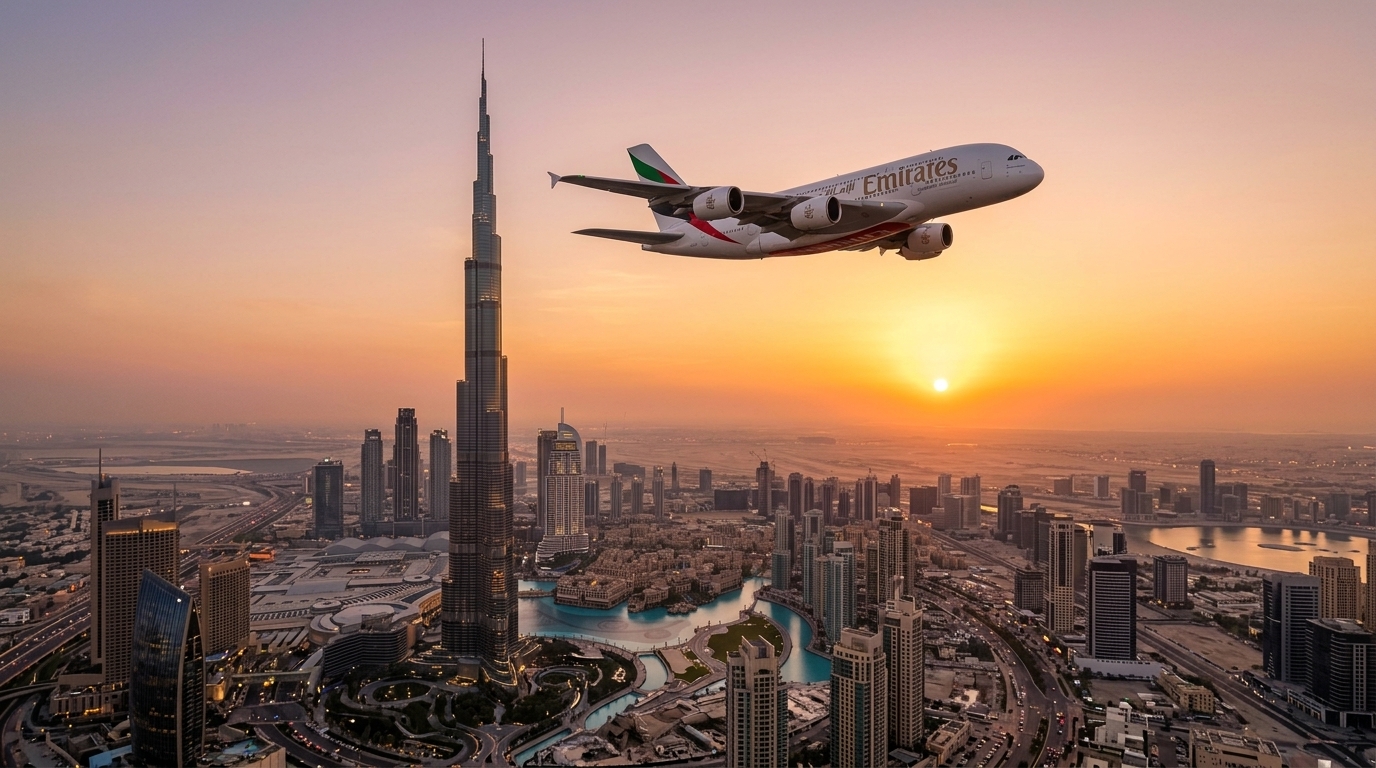
<escape> </escape>Burj Khalifa is Dubai’s most famous landmark and the tallest building in the world.
Standing at more than 828 metres, this extraordinary skyscraper dominates the city’s skyline and represents Dubai’s ambition to create some of the world’s most impressive architectural projects.
Visitors can purchase tickets to access observation areas on selected floors, including the popular At the Top experience. From these levels, you can enjoy panoramic views of the surrounding city, desert and coastline.
The experience is especially memorable during sunset, when the city gradually changes from daylight to an illuminated skyline.
Because it is one of Dubai’s most popular attractions, booking tickets in advance is recommended. Check official information for available floors, time slots and ticket options.
2. Dubai Mall
Located beside Burj Khalifa, Dubai Mall is one of the world’s largest shopping and entertainment destinations.
The mall features hundreds of retail outlets, restaurants, cafés and entertainment facilities. It is much more than a traditional shopping centre, offering activities for visitors of different ages and interests.
Some of its best-known attractions include the Dubai Aquarium and Underwater Zoo, an indoor ice rink and a wide range of family entertainment options.
Even if you are not interested in shopping, the mall is worth exploring for its architecture, dining choices and convenient access to the Burj Khalifa area.
3. Dubai Fountain
The Dubai Fountain is located on the artificial lake outside Dubai Mall and Burj Khalifa.
It is famous for its choreographed water displays, which combine movement, lighting and music to create a dramatic performance.
The fountain area attracts large numbers of visitors, particularly during the evening. You can watch the displays from public viewing areas around the lake or explore selected paid experiences when available.
The surrounding skyline makes this one of the most recognisable evening experiences in Dubai.
Check current performance schedules before planning your visit.
4. Palm Jumeirah
Palm Jumeirah is an artificial island developed in the shape of a palm tree.
It is known for luxury hotels, residential properties, restaurants and waterfront attractions. Its distinctive design makes it one of Dubai’s most recognisable developments.
Visitors can explore the island, enjoy its restaurants and beaches or experience attractions such as The View at The Palm, which provides elevated views of the island’s layout.
Atlantis, The Palm is another major landmark located at the outer section of the island. The resort is associated with large-scale entertainment, dining and water-based attractions.
Palm Jumeirah is particularly interesting for travellers who want to experience Dubai’s modern waterfront developments.
5. Dubai Marina
Dubai Marina is a modern waterfront district surrounded by tall residential towers, restaurants, hotels and leisure facilities.
The Marina Walk is a popular place for walking, dining and enjoying views of the boats and surrounding buildings.
Visitors can also explore boat tours and cruises, which provide a different perspective of the city’s skyline.
The neighbourhood becomes particularly lively in the evening, making it a good destination for dinner and relaxed waterfront exploration.
6. Jumeirah Beach
Jumeirah Beach is one of Dubai’s popular coastal destinations.
It offers open views of the Arabian Gulf and is a convenient place to relax, enjoy the sea and spend time outdoors.
Some beach areas have public facilities, restaurants and walking paths, while others are connected with hotels and private beach clubs.
The area also provides attractive views of the Burj Al Arab, one of Dubai’s most recognisable luxury hotels.
Remember to follow local beach regulations and pay attention to swimming conditions.
7. Burj Al Arab
Burj Al Arab is one of Dubai’s most famous luxury hotel buildings.
Its sail-shaped design has become an international symbol of the city. Located on an artificial island connected to the mainland by a private road, it stands out along the Jumeirah coastline.
Although the hotel is associated with exclusive hospitality experiences, visitors can admire its architecture from public viewing locations nearby.
Some dining and hospitality experiences may provide access to selected hotel areas, depending on reservation conditions.
8. Museum of the Future
The Museum of the Future is one of Dubai’s most distinctive modern buildings.
Its architecture features a curved, torus-shaped structure decorated with Arabic calligraphy. The building has become a major landmark because of its unusual design and technological theme.
Inside, visitors can explore exhibitions focused on future technologies, sustainability, space exploration and possible developments in human society.
It is particularly interesting for travellers who enjoy science, innovation and interactive exhibitions.
Advance booking is recommended because visitor capacity and ticket availability can vary.
Discover Old Dubai and Emirati Heritage
While modern Dubai attracts attention with its skyscrapers, exploring the historic districts offers a different understanding of the city’s identity.
Al Fahidi Historical Neighbourhood
Al Fahidi is one of the city’s most interesting heritage areas.
Its narrow lanes, traditional buildings and wind towers reflect architectural styles that were used before modern air-conditioning became common.
Visitors can explore museums, cultural spaces, small galleries and traditional-style courtyards. The neighbourhood is also a good place to learn about Dubai’s earlier trading and community life.
Walking through Al Fahidi provides a quieter experience compared with the city’s major shopping and entertainment districts.
Dubai Creek
Dubai Creek played an important role in the city’s development as a trading and commercial centre.
Historically, it connected different communities and supported activities such as fishing, pearl diving and regional trade.
Today, visitors can enjoy views of the waterway and travel between parts of the historic district using traditional wooden boats known as abras.
An abra ride is an inexpensive and memorable way to experience this historic part of the city.
Gold Souk
Located in Deira, the Gold Souk is one of Dubai’s best-known traditional markets.
Its shops display a wide range of gold jewellery, including traditional designs and contemporary pieces.
Visitors can explore the market even without making a purchase. If you are considering buying jewellery, compare prices, understand the quoted gold weight and purity, and request a proper receipt.
Spice Souk
The Spice Souk is another traditional market in the Deira area.
It offers spices, herbs, dried fruits, teas and other products. The market provides a sensory experience, with colourful displays and distinctive aromas.
It is an interesting place to discover ingredients used in regional cooking and purchase small souvenirs.
Experience Dubai’s Desert Adventures
Dubai’s desert surroundings offer an experience very different from the modern city.
A desert safari is one of the most popular activities for visitors who want to explore the natural landscape beyond the urban area.
Dune Bashing
Dune bashing involves travelling across sand dunes in a specially equipped four-wheel-drive vehicle.
Experienced drivers navigate the changing terrain, creating an adventurous ride through the desert.
This activity is not suitable for everyone, particularly travellers who are sensitive to motion or have certain mobility or medical concerns. Check the activity details and safety arrangements before booking.
Camel Riding
Camel riding provides an opportunity to experience a traditional form of desert transport.
Many organised desert experiences include short camel rides, allowing visitors to learn more about the animals and their historical connection with desert communities.
Choose operators that demonstrate responsible animal care and avoid experiences that appear to treat animals poorly.
Desert Sunset
Watching the sun set over the dunes is one of the most memorable parts of a desert visit.
The changing colours of the sand and sky create excellent photography opportunities.
Some tours also include meals and cultural performances at desert camps. Review the programme carefully to understand what is included.
What to Eat in Dubai
Dubai’s food scene reflects the city’s international population and its connection with Middle Eastern culinary traditions.
You can find traditional Emirati dishes alongside South Asian, Arabic, East Asian, European and African cuisines.
Here are some foods worth trying.
Al Machboos
Al Machboos is a traditional Gulf rice dish commonly prepared with meat, spices and fragrant rice.
Its ingredients and preparation can vary, but it is known for its rich seasoning and distinctive regional flavour.
It is a good choice for travellers interested in exploring Emirati food traditions.
Harees
Harees is a traditional dish made using wheat and meat, cooked slowly until it develops a soft and thick consistency.
It is particularly associated with special occasions and traditional gatherings in the UAE.
Luqaimat
Luqaimat are small fried dough balls that are commonly served with date syrup or other sweet toppings.
They are a popular traditional dessert and can be found at selected local restaurants and food events.
Shawarma
Shawarma is widely available throughout Dubai.
It usually consists of seasoned meat cooked on a vertical rotisserie and served in bread with vegetables and sauces.
It is a convenient and popular meal, with many restaurants offering their own variations.
Arabic Mezze
Mezze refers to a selection of small dishes that are commonly shared.
Popular examples include hummus, tabbouleh, fattoush, moutabal and other dips or salads.
It is an enjoyable way to experience different Middle Eastern flavours in one meal.
International Cuisine
Dubai offers restaurants serving food from many regions of the world.
Visitors can find South Asian biryani, Turkish grills, Lebanese dishes, Japanese sushi, Italian pasta and many other cuisines.
This variety makes Dubai particularly convenient for travellers with different dietary preferences.
Shopping in Dubai
Shopping is one of Dubai’s biggest attractions.
The city has enormous shopping malls, luxury fashion districts, traditional markets and independent retail areas.
Dubai Mall: A major destination for international fashion, electronics, beauty products and entertainment.
Mall of the Emirates: Known for its shopping outlets, restaurants and indoor entertainment facilities.
City Walk: A modern outdoor shopping and dining district with a mixture of retail brands and restaurants.
Gold Souk: A traditional market where visitors can explore a wide range of gold jewellery.
Spice Souk: A colourful market offering spices, herbs, teas and regional products.
Global Village: A seasonal entertainment and shopping destination featuring cultural pavilions, food stalls and products from different countries. Check its operating season before visiting.
Dubai also hosts major shopping events and seasonal promotions. However, compare prices before purchasing because a large discount does not always mean the best available deal.
Getting Around Dubai
Dubai has several transport options, making it relatively easy to explore the city.
Dubai Metro
The Dubai Metro is one of the most convenient ways to travel between major areas.
It connects important locations, including parts of Downtown Dubai, Dubai Marina, Deira and the airport area.
The Red and Green Lines serve many popular destinations, although some attractions require additional travel by bus, taxi or walking.
Dubai Tram
The Dubai Tram serves parts of the Marina, Jumeirah Beach Residence and surrounding areas.
It is particularly useful for visitors staying in or exploring the waterfront districts.
Buses
Dubai has a public bus network that connects different parts of the city.
Buses can be useful for reaching destinations that are not directly served by the Metro, although travel times may vary depending on traffic.
Taxis and Ride-Hailing Services
Taxis are widely available and can be useful for journeys between attractions or accommodation areas.
Ride-hailing services also operate in Dubai. Compare estimated fares and check the pickup location before confirming a journey.
Nol Card
The Nol Card is used for payment on many forms of public transport in Dubai, including the Metro, buses and trams.
Visitors should check the current card types, fares and travel rules through official transport information.
Best Time to Visit Dubai
Dubai has a desert climate, so temperatures can vary significantly throughout the year.
Winter (November to March): This is generally the most comfortable period for outdoor sightseeing. Temperatures are milder, making it easier to enjoy beaches, walking areas, outdoor restaurants and desert activities. It is also a popular tourist season, so accommodation prices may be higher.
Spring (April to May): Temperatures begin to rise, but outdoor activities can still be enjoyable, particularly earlier in the day. It can be a useful period for visitors seeking a balance between sightseeing and seasonal demand.
Summer (June to August): Summer is extremely hot and humid, especially during the afternoon. Outdoor activities may be uncomfortable, but indoor attractions, shopping malls and air-conditioned entertainment venues remain popular options.
Autumn (September to October): Temperatures gradually begin to decrease, creating more comfortable conditions towards the end of the season.
For most travellers who want to enjoy outdoor activities, November to March is generally the best period to consider.
A Practical Three-Day Dubai Itinerary
If you have three days in Dubai, planning attractions by area can help you use your time efficiently.
Day 1: Downtown Dubai
Start your day at Burj Khalifa and enjoy the views from one of its observation levels.
Explore Dubai Mall, visit the aquarium if it interests you and take time to enjoy the surrounding restaurants.
In the evening, watch the Dubai Fountain displays when scheduled and explore the illuminated Downtown area.
Day 2: Old Dubai and Desert Experience
Begin with Al Fahidi Historical Neighbourhood and explore its traditional architecture and cultural attractions.
Continue towards Dubai Creek and take an abra ride to experience the historic waterway.
Visit the Gold Souk and Spice Souk before returning to your accommodation.
If you prefer a desert experience, you can arrange a safari for the afternoon and evening. Depending on your schedule, consider moving the souks to another day.
Day 3: Palm Jumeirah and Dubai Marina
Spend the morning exploring Palm Jumeirah and enjoy views of the island from a suitable observation point.
Continue towards Dubai Marina and walk along the waterfront.
Later, visit Jumeirah Beach or explore nearby shopping and dining areas.
This itinerary is flexible. You can replace activities depending on the weather, your interests and available ticket times.
Where to Stay in Dubai
Choosing the right neighbourhood depends on your budget and the type of experience you want.
Downtown Dubai: A convenient option for visitors who want to stay close to Burj Khalifa, Dubai Mall and major central attractions. Accommodation can be expensive.
Dubai Marina: Suitable for travellers who enjoy waterfront views, restaurants and a lively evening atmosphere.
Deira: Often considered by budget-conscious visitors who want access to traditional markets and public transport connections.
Bur Dubai: A practical location for exploring historic districts, local restaurants and parts of Old Dubai.
Jumeirah: A good option for visitors interested in beaches, coastal attractions and a more relaxed environment.
Palm Jumeirah: Known for luxury resorts and beachfront experiences. It may be suitable for travellers prioritising resort facilities over budget.
Before booking, compare transport access, recent reviews, accommodation facilities and the total cost.
Practical Travel Tips for Dubai
A little preparation can make your visit more comfortable and help you avoid unnecessary problems.
- Respect local customs: Dubai is an international city, but visitors should remain respectful of local culture and public behaviour expectations.
- Dress appropriately: Swimwear is suitable at designated beaches and pools, but modest clothing is recommended in many public and religious settings.
- Stay hydrated: The weather can be very hot, especially during summer. Carry drinking water and avoid prolonged exposure to direct sunlight.
- Plan outdoor activities carefully: Schedule walking tours and desert activities during cooler parts of the day.
- Check attraction tickets: Popular attractions such as Burj Khalifa and the Museum of the Future can have limited availability.
- Use public transport: The Metro is useful for many major destinations and can help reduce transport expenses.
- Understand local laws: Alcohol consumption, public behaviour, photography and other activities are subject to UAE laws and regulations. Check current rules before travelling.
- Respect Ramadan customs: During Ramadan, public routines and dining arrangements may differ. Follow local guidance and be considerate of people observing the fast.
- Check visa requirements: Entry requirements depend on nationality and can change. Confirm the latest UAE visa information through official sources before booking.
- Keep important documents secure: Store copies of your passport, travel insurance and accommodation details separately from the originals.
Travelling Responsibly in Dubai
Responsible travel means enjoying Dubai while respecting its people, culture and natural environment.
When visiting traditional neighbourhoods, dress and behave respectfully. Ask permission before photographing people, particularly in cultural or religious settings.
Choose responsible desert safari operators that follow safety standards and take care of the environment. Avoid leaving rubbish behind or disturbing wildlife.
Support local businesses and explore cultural attractions that help visitors understand Emirati heritage.
Use public transport where practical and reduce unnecessary waste during your stay.
Dubai is home to a diverse population, and treating residents, workers and other visitors with courtesy helps create a positive travel experience.
Final Thoughts: Is Dubai Worth Visiting?
Dubai offers a travel experience that combines modern architecture, luxury shopping, cultural heritage, beaches and desert adventures.
You can admire Burj Khalifa, explore traditional markets, enjoy international cuisine, relax beside the Arabian Gulf and discover the history of the city through its older neighbourhoods.
Although Dubai is often associated with luxury, it offers experiences for different budgets. Public transport, traditional markets, public beaches and carefully selected attractions can help visitors manage their expenses.
The best way to enjoy Dubai is to balance its famous modern attractions with opportunities to explore its cultural and historical side.
Whether you are travelling with family, friends or independently, the city provides plenty of ways to create a memorable holiday.
Ready to explore Dubai? Start planning your journey and discover the remarkable combination of modern ambition, Arabian heritage and unforgettable experiences in the United Arab Emirates.