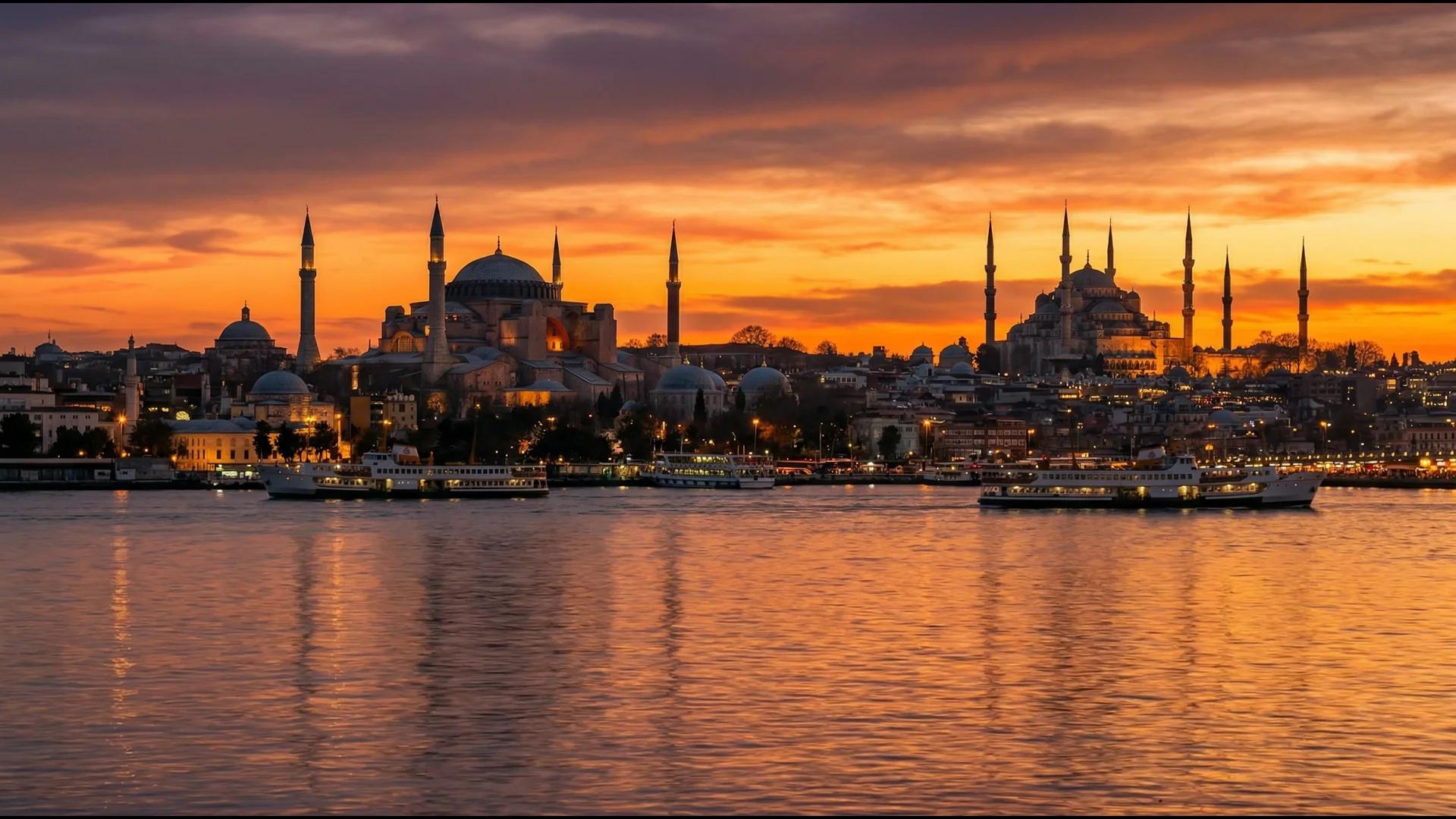
Istanbul Travel Guide: Best Places to Visit, Food, Culture & Things to Do
Introduction
Istanbul is one of the world’s most fascinating travel destinations, offering a unique combination of history, architecture, culture, food and modern city life. Located between Europe and Asia, the city sits on both sides of the Bosphorus Strait, giving it a geographical position unlike almost any other major city.
For centuries, Istanbul has been an important centre of trade, politics and culture. It served as the capital of the Byzantine and Ottoman Empires, leaving behind an extraordinary collection of palaces, mosques, churches, markets and historic neighbourhoods.
Today, Istanbul is a lively modern metropolis where ancient landmarks stand alongside fashionable cafés, shopping streets and contemporary restaurants. Visitors can explore centuries-old buildings in the morning, enjoy a traditional Turkish lunch in the afternoon and watch the sunset over the Bosphorus in the evening.
The city is also famous for its hospitality, traditional tea culture, street food and bustling bazaars. Whether you are interested in history, photography, shopping, architecture or simply experiencing a different way of life, Istanbul offers plenty to discover.
This travel guide covers the best places to visit, local food, neighbourhoods, shopping areas, transport options and practical advice to help you plan your trip.
What Makes Istanbul Special?
Istanbul’s greatest attraction is its remarkable mixture of cultures and historical influences.
The city was historically known as Byzantium and later Constantinople before becoming Istanbul. Each period contributed to its architecture, traditions and identity.
The Byzantine era left important monuments such as Hagia Sophia and remnants of ancient city walls. The Ottoman period introduced magnificent imperial mosques, palaces, fountains and public buildings.
The Bosphorus adds another special dimension. It separates the European and Asian sides of the city while connecting the Black Sea with the Sea of Marmara.
Visitors can cross between two continents using bridges, ferries and other transport services. This geographical experience is one of the reasons Istanbul feels so distinctive.
Beyond its landmarks, the city is full of everyday experiences: drinking Turkish tea, browsing local markets, enjoying freshly prepared street food and watching ferries move across the water.
Best Places to Visit in Istanbul
1. Hagia Sophia
Hagia Sophia is one of Istanbul’s most famous historical landmarks and an essential stop for first-time visitors.
Originally constructed as a Byzantine cathedral in the sixth century, the building later became an Ottoman mosque. It is renowned for its enormous dome, impressive interior and combination of Byzantine and Islamic architectural features.
Its history reflects the many cultural and religious changes that shaped Istanbul.
Visitors should check current access arrangements, visiting hours and ticket requirements before arriving, as visitor access may differ from arrangements for worshippers.
Dress respectfully and follow the site’s photography and visitor rules.
2. Blue Mosque
The Blue Mosque, officially known as the Sultan Ahmed Mosque, is another major landmark in the historic Sultanahmet district.
It is famous for its elegant domes, six minarets and beautiful interior decorated with blue Iznik-style tiles.
The mosque remains an active place of worship, so visitors should be aware of prayer times and follow the instructions of staff.
Modest clothing is required, and visitors may need to remove their shoes before entering designated areas.
The surrounding courtyard also provides an excellent opportunity to appreciate the building’s impressive architecture.
3. Topkapi Palace
Topkapi Palace was the principal residence and administrative centre of Ottoman sultans for centuries.
The palace complex includes courtyards, historic rooms, gardens and collections that provide insight into the Ottoman imperial world.
Visitors can explore sections displaying royal objects, decorative arts and historical artefacts.
The palace also offers beautiful views towards the Bosphorus and the Golden Horn.
Allow several hours for your visit, especially if you want to explore the different sections of the complex.
4. Basilica Cistern
The Basilica Cistern is one of Istanbul’s most unusual historical attractions.
Built during the Byzantine period, this underground water reservoir is supported by rows of large columns.
Its atmospheric lighting, reflections and impressive architecture create a memorable experience.
One of its best-known features is the pair of Medusa head column bases, which attract considerable attention from visitors.
It is a particularly interesting attraction for travellers who enjoy unusual architecture and historical engineering.
5. Grand Bazaar
The Grand Bazaar is one of the world’s most famous traditional covered markets.
Its network of streets and shops offers an enormous variety of products, including carpets, jewellery, ceramics, textiles, leather goods, souvenirs and decorative items.
The market is not just a shopping destination. It is also an important part of Istanbul’s commercial history.
Take time to explore its different sections rather than visiting only the busiest entrance areas.
Prices may vary between shops, so compare products and agree on prices before purchasing.
6. Spice Bazaar
The Spice Bazaar, also known as the Egyptian Bazaar, is another popular market in the historic centre.
It is famous for its colourful displays of spices, dried fruits, nuts, Turkish delight, tea and other food products.
The aromas and lively atmosphere make it an enjoyable place to explore even if you are not planning to buy anything.
It is also a convenient stop when visiting the nearby Eminönü waterfront.
7. Galata Tower
Galata Tower is one of Istanbul’s most recognisable structures.
Located in the historic Galata neighbourhood, the tower has a long history and offers panoramic views of the surrounding city.
From the upper viewing area, visitors can see parts of the Golden Horn, the Bosphorus and Istanbul’s historic skyline.
The surrounding streets are also worth exploring, with cafés, independent shops and attractive historic buildings.
Check current entry arrangements and visiting times before your visit.
8. Dolmabahçe Palace
Dolmabahçe Palace is a magnificent nineteenth-century palace located along the Bosphorus.
Unlike the traditional architectural style of Topkapi Palace, Dolmabahçe reflects European influences, with elaborate decorations, grand halls and impressive chandeliers.
The palace demonstrates how Ottoman architecture and court culture evolved during the later imperial period.
Its waterfront location makes it one of Istanbul’s most attractive historical sites.
9. Süleymaniye Mosque
Süleymaniye Mosque is one of the greatest examples of classical Ottoman architecture.
Designed by the famous Ottoman architect Mimar Sinan, it was commissioned by Sultan Suleiman the Magnificent.
The mosque complex includes courtyards, gardens and historic buildings.
Its elevated position also offers excellent views across the Golden Horn and parts of the city.
Compared with some of the busiest tourist attractions, the surrounding area can provide a more peaceful atmosphere.
10. Ortaköy Mosque and Waterfront
Ortaköy is a beautiful neighbourhood on the European side of the Bosphorus.
Its waterfront is famous for the elegant Ortaköy Mosque, which stands beside the water with the Bosphorus Bridge in the background.
The area is particularly attractive for photography, especially around sunset and in the evening.
Visitors can enjoy cafés, small shops and local street food while watching boats move along the strait.
11. Bosphorus Cruise
A Bosphorus cruise is one of the best ways to appreciate Istanbul’s geography and waterfront architecture.
During the journey, visitors can admire historic palaces, waterfront mansions, mosques, bridges and neighbourhoods from the water.
Several types of cruises are available, from shorter sightseeing journeys to longer trips.
Public ferries can also provide scenic views while serving as practical transport between different parts of the city.
Check departure locations, schedules and ticket arrangements before travelling.
Explore Istanbul’s Most Interesting Neighbourhoods
Istanbul is a large city, and each neighbourhood offers a different atmosphere.
Sultanahmet
Sultanahmet is the historic heart of Istanbul and the best area for first-time visitors interested in major landmarks.
Hagia Sophia, the Blue Mosque, Topkapi Palace and Basilica Cistern are all located within or close to this district.
It is convenient for sightseeing, although accommodation and restaurants in the busiest tourist streets can be more expensive.
Beyoğlu
Beyoğlu is known for its lively streets, restaurants, cafés, galleries and nightlife.
It includes several popular areas, such as Taksim Square, İstiklal Avenue and the surrounding historic streets.
It is a good choice for visitors who want a mixture of sightseeing and modern city experiences.
Galata
Galata is one of Istanbul’s most charming historic neighbourhoods.
Its streets feature old buildings, independent shops, cafés and impressive views.
It is especially appealing to photographers and travellers who enjoy exploring on foot.
Kadıköy
Kadıköy is located on the Asian side of Istanbul and has a distinctive local atmosphere.
Its markets, food streets, cafés and waterfront areas make it an excellent place to experience everyday city life.
Visitors can reach Kadıköy using ferries and other public transport connections.
Balat and Fener
Balat and Fener are historic neighbourhoods known for colourful buildings, narrow streets and a mixture of architectural influences.
They offer a different perspective on Istanbul’s multicultural past.
Visitors should remember that these are residential communities. Respect private property, avoid blocking entrances and ask permission before photographing residents.
Turkish Food: What Should You Try in Istanbul?
Food is one of the most enjoyable parts of visiting Istanbul. The city’s cuisine reflects regional Turkish traditions as well as influences from different parts of the former Ottoman world.
Here are some dishes worth trying.
1. Turkish Kebab
Kebab is one of Türkiye’s most famous foods, and Istanbul offers many varieties.
Options include döner, şiş kebab, adana kebab and other regional styles.
They are commonly served with bread, rice, vegetables and sauces.
2. Simit
Simit is a circular bread covered in sesame seeds and commonly sold by street vendors.
It is a popular breakfast or snack option and is often enjoyed with Turkish tea.
3. Turkish Breakfast
A traditional Turkish breakfast can include cheese, olives, tomatoes, cucumbers, eggs, bread, honey, jams and other small dishes.
It is usually served with Turkish tea and is a wonderful way to begin a relaxed morning.
4. Lahmacun
Lahmacun is a thin, crispy flatbread topped with a seasoned mixture of minced meat, vegetables and herbs.
It is often served with lemon, parsley and salad.
5. Börek
Börek is a traditional pastry made with thin layers of dough and various fillings.
Common options include cheese, spinach and minced meat.
It is widely available in bakeries and local restaurants.
6. Balık Ekmek
Balık ekmek is a popular fish sandwich traditionally associated with the Eminönü waterfront.
It usually consists of grilled fish served in bread with vegetables and sometimes lemon.
It is a simple but memorable street-food experience.
7. Turkish Delight
Turkish delight, known locally as lokum, is a traditional sweet available in many flavours.
Popular varieties include rose, pistachio, lemon and pomegranate.
It is widely sold in sweet shops and traditional markets.
8. Baklava
Baklava is a rich pastry made with thin layers of filo dough, nuts and syrup.
Pistachio and walnut varieties are particularly popular.
It is commonly enjoyed with Turkish tea or coffee.
9. Menemen
Menemen is a traditional breakfast dish prepared using eggs, tomatoes, peppers and seasonings.
It is usually served with fresh bread and is a popular choice in local cafés.
10. Turkish Tea and Coffee
Turkish tea is an important part of everyday social life.
It is commonly served in small tulip-shaped glasses and enjoyed throughout the day.
Turkish coffee is another traditional drink, prepared using finely ground coffee and served without filtering the grounds.
If you have food allergies, ask about ingredients before ordering. Dishes may contain nuts, dairy, wheat, sesame or other allergens, and street-food preparation practices can vary.
Shopping in Istanbul
Shopping in Istanbul ranges from historic bazaars to modern shopping centres and independent boutiques.
The Grand Bazaar is the best-known destination for traditional products, while the Spice Bazaar is ideal for spices, sweets and local food items.
İstiklal Avenue offers a mixture of international brands, local businesses, bookstores and cafés.
Kadıköy is another excellent area for independent shops, local markets and food products.
Popular items to consider buying include:
- Turkish ceramics and decorative plates.
- Handmade carpets and textiles.
- Turkish delight and traditional sweets.
- Spices and herbal teas.
- Leather products.
- Traditional lamps and glassware.
- Turkish towels and hammam accessories.
For expensive purchases, compare quality and prices carefully. If buying antiques or culturally significant objects, check export regulations and request appropriate documentation.
Culture and Local Experiences
Istanbul offers many opportunities to experience Turkish culture beyond its famous attractions.
Experience a Traditional Turkish Hammam
A Turkish hammam is a traditional bathing experience involving heated marble spaces and, depending on the service, washing and exfoliation treatments.
Historic hammams can provide insight into an important part of Ottoman social culture.
Choose a reputable establishment and understand the services, prices and booking arrangements before visiting.
Enjoy Turkish Tea Culture
Tea is deeply connected to everyday life in Türkiye.
You will find it in cafés, restaurants, markets and small neighbourhood businesses.
Taking time to enjoy a glass of tea is a simple way to experience the city’s social atmosphere.
Watch Whirling Dervish Performances
The Mevlevi tradition is associated with the teachings of the Sufi poet and philosopher Rumi.
Some cultural venues organise performances of the traditional Sema ceremony.
These events have spiritual significance, so visitors should treat them respectfully rather than viewing them simply as entertainment.
Explore the City by Ferry
Taking a public ferry across the Bosphorus is both a practical transport option and a memorable experience.
It allows visitors to see Istanbul from the water while moving between the European and Asian sides.
Visit a Traditional Turkish Café
Spend some time in a local café enjoying tea, coffee or traditional desserts.
Neighbourhood cafés provide a more relaxed experience than some of the busiest tourist restaurants.
Getting Around Istanbul
Istanbul is a large and busy city, but its public transport network makes exploring relatively straightforward.
Metro
The metro connects many important districts and transport hubs.
It is often one of the quickest ways to travel across the city, especially during busy traffic periods.
Tram
The tram is particularly useful for visitors exploring the historic peninsula.
The T1 line connects several popular tourist areas, including Sultanahmet and Eminönü.
Ferries
Ferries connect different parts of Istanbul across the Bosphorus and Golden Horn.
They are useful for travelling between the European and Asian sides while enjoying scenic views.
Buses
Public buses cover many areas that are not directly served by metro or tram lines.
However, road traffic can make journey times unpredictable.
Taxis
Taxis are widely available, but visitors should use licensed vehicles and confirm that the meter is operating.
Where practical, use reputable transport apps or official taxi services to reduce the risk of fare disputes.
Walking
Walking is one of the best ways to explore historic neighbourhoods.
However, Istanbul has many hills, steep streets and uneven pavements, so comfortable shoes are essential.
Check current transport fares and routes before travelling. A rechargeable public transport card may be useful for regular journeys, subject to the latest local arrangements.
Best Time to Visit Istanbul
Istanbul can be visited throughout the year, but spring and autumn are often the most comfortable seasons for sightseeing.
Spring (March to May)
Spring brings milder temperatures and pleasant conditions for exploring historical attractions and walking through neighbourhoods.
April and May are particularly attractive months for outdoor sightseeing.
Summer (June to August)
Summer is generally warm to hot and can be humid.
It is a popular tourist season, so major attractions and waterfront areas may become crowded.
Book accommodation and important activities early if travelling during this period.
Autumn (September to November)
Autumn is another excellent season for visiting Istanbul.
Temperatures are often comfortable, and visitors can explore the city without the strongest summer heat.
September and October are particularly appealing for walking and sightseeing.
Winter (December to February)
Winter is colder and wetter, and occasional snowfall can transform the city’s appearance.
It is generally less crowded than the peak tourist season, although weather conditions can affect outdoor plans.
Pack suitable clothing and check forecasts before travelling.
Where to Stay in Istanbul
Choosing the right neighbourhood depends on your travel style and priorities.
Sultanahmet: Best for first-time visitors who want to stay close to major historical attractions.
Beyoğlu: A good option for restaurants, nightlife, shopping and convenient access to different city districts.
Galata: Ideal for travellers who enjoy historic streets, independent cafés and attractive architecture.
Kadıköy: Suitable for visitors interested in local food, markets and a more residential atmosphere on the Asian side.
Beşiktaş: A lively area with restaurants, transport connections and access to parts of the Bosphorus waterfront.
Before booking, consider your nearest public transport station, walking distance to attractions, luggage access and the steepness of nearby streets.
A Practical 3-Day Istanbul Itinerary
Three days provide enough time to explore several of Istanbul’s most famous attractions, although a longer stay allows for a more relaxed experience.
Day 1: Historic Istanbul
Begin in Sultanahmet with a visit to Hagia Sophia and the Blue Mosque.
Explore the surrounding square and continue towards Topkapi Palace.
After lunch, visit the Basilica Cistern and spend some time exploring nearby historic streets.
Finish the day with a traditional Turkish dinner.
Day 2: Bazaars, Galata and the Bosphorus
Start your morning at the Grand Bazaar and Spice Bazaar.
Explore the Eminönü waterfront before crossing towards Galata.
Visit Galata Tower and walk through the surrounding neighbourhood.
In the afternoon or evening, enjoy a Bosphorus cruise or public ferry journey.
Day 3: Asian Istanbul and Modern Neighbourhoods
Take a ferry to Kadıköy and explore its food markets, cafés and local streets.
Enjoy lunch and spend time discovering the Asian side of the city.
Later, return to the European side and explore Beşiktaş or Ortaköy, depending on your interests.
If you prefer a history-focused trip, consider replacing part of this day with Dolmabahçe Palace or Süleymaniye Mosque.
Practical Travel Tips for Istanbul
A few simple preparations can make your visit easier.
- Wear comfortable shoes: Many historic streets are steep, uneven or paved with stone.
- Respect religious sites: Dress modestly and follow mosque visiting instructions.
- Plan around prayer times: Some mosques restrict tourist visits during prayer services.
- Use public transport: Metro, tram and ferry services can help avoid road traffic.
- Carry some cash: Cards are widely accepted, but cash remains useful for smaller purchases.
- Watch your belongings: Busy markets, transport stations and tourist areas require normal precautions against pickpocketing.
- Check attraction prices: Ticket policies and visitor access arrangements can change.
- Avoid unlicensed guides: Use reputable tour providers and agree on prices before booking.
- Be careful with currency: Check exchange rates and transaction fees before changing money.
- Stay hydrated: Walking around the city can be tiring, particularly during summer.
- Learn a few Turkish phrases: Simple greetings such as “Merhaba” (hello) and “Teşekkür ederim” (thank you) are appreciated.
Travellers should also check current Turkish visa and entry requirements through official government sources before departure.
Responsible Travel in Istanbul
Istanbul is a historic city with active residential communities, religious sites and culturally important landmarks.
Responsible tourism helps protect its heritage and supports the people who live and work there.
Choose locally owned restaurants, shops and accommodation providers where possible. This helps local businesses benefit directly from tourism.
When visiting mosques, churches and historic neighbourhoods, follow local rules and respect the significance of these places.
Avoid littering, damaging historic structures or entering restricted areas for photographs.
Support authentic local products and be cautious of misleading claims about handmade or antique goods.
Most importantly, remember that Istanbul is not only a tourist destination. It is a living city with millions of residents, traditions and everyday routines.
Final Thoughts
Istanbul is a destination that brings together centuries of history and the energy of a modern international city.
Its magnificent mosques, imperial palaces, traditional markets, waterfront neighbourhoods and diverse food culture make it one of the most rewarding places to explore.
The city offers something different at every turn. You can walk through streets shaped by the Byzantine and Ottoman empires, cross the Bosphorus by ferry, enjoy Turkish tea in a local café and discover new flavours in a traditional restaurant.
For first-time visitors, focusing on Sultanahmet, Galata, the bazaars and the Bosphorus provides a strong introduction to the city.
Whether you are interested in history, architecture, food, shopping or cultural experiences, Istanbul offers countless reasons to return.