Barcelona Travel Guide: Best Places to Visit, Food, Beaches & Travel Tips
Introduction
Barcelona is one of Europe’s most captivating destinations, combining historic architecture, beautiful beaches, lively neighbourhoods, Mediterranean food, and a creative atmosphere. Located in northeastern Spain along the Mediterranean coast, it is the capital of Catalonia and one of the country’s most visited cities.
What makes Barcelona special is the way its different experiences come together. You can spend the morning exploring centuries-old streets, admire extraordinary buildings designed by Antoni Gaudí in the afternoon, and enjoy fresh seafood beside the beach in the evening.
The city is also known for its art, fashion, football culture, outdoor cafés, and vibrant festivals. Whether you are interested in history, architecture, shopping, nightlife, or simply relaxing by the sea, Barcelona offers plenty of ways to spend your time.
However, Barcelona is more than its famous landmarks. Its neighbourhoods each have their own identity, from the narrow medieval streets of the Gothic Quarter to the modern atmosphere of Eixample and the relaxed coastal lifestyle of Barceloneta.
This travel guide covers the best attractions, local food, neighbourhoods, cultural experiences, transport options, and practical advice to help you plan an enjoyable visit to Barcelona.
What Makes Barcelona Special?
Barcelona’s character comes from its mixture of Catalan traditions, Mediterranean lifestyle, and modern European culture.
One of the city’s most distinctive features is its architecture. Barcelona is closely associated with Antoni Gaudí, whose imaginative buildings have become internationally recognised symbols of the city. His designs combine natural forms, colourful decoration, unusual shapes, and innovative construction techniques.
The city also has a strong artistic identity. Museums, galleries, street art, music venues, and cultural festivals make Barcelona an attractive destination for creative travellers.
Its location beside the Mediterranean Sea adds another dimension. Visitors can explore historic attractions during the day and relax along the waterfront later.
Food is equally important. Barcelona’s restaurants and markets showcase Catalan cuisine, Spanish specialities, fresh seafood, tapas, and regional products.
The result is a destination where history, creativity, food, and coastal living exist side by side.
Best Places to Visit in Barcelona
1. Sagrada Família
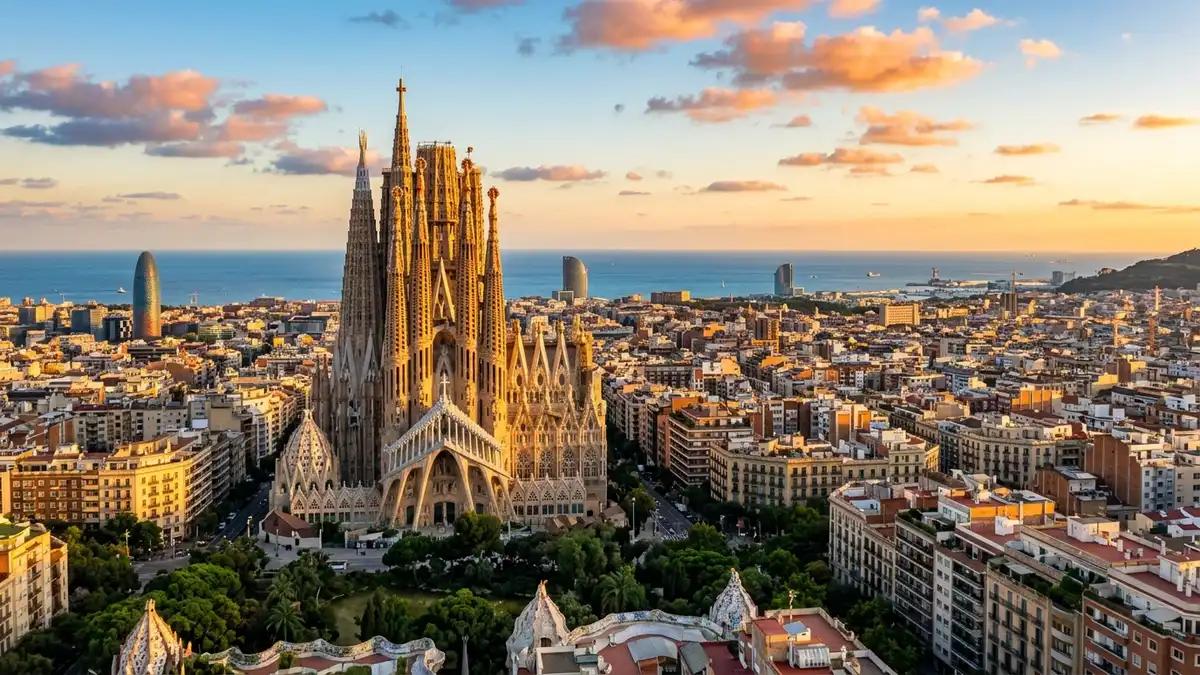
The Sagrada Família is Barcelona’s most famous landmark and one of the world’s most recognisable churches.
Designed by Antoni Gaudí, this extraordinary basilica is known for its enormous towers, detailed façades, colourful stained-glass windows, and nature-inspired architectural elements.
Construction began in 1882, and the project continued long after Gaudí’s death. Its unusual design makes it very different from traditional European churches.
The interior is particularly impressive. Sunlight passing through the stained glass creates colourful patterns across the columns and walls, giving the building a remarkable atmosphere.
Visitors interested in architecture should consider booking tickets in advance, as entry times and availability can be limited.
2. Park Güell
Park Güell is another famous Gaudí creation and one of Barcelona’s most colourful attractions.
Originally planned as a residential development, the site eventually became a public park featuring imaginative architectural structures, decorative mosaics, winding pathways, and landscaped areas.
The colourful mosaic bench overlooking Barcelona is among its most photographed features.
The park also offers excellent views of the city, making it a popular location for photography and relaxed sightseeing.
Some areas require paid admission, so check the official visitor information before travelling.
3. Casa Batlló
Located along Passeig de Gràcia, Casa Batlló is one of Gaudí’s most imaginative residential buildings.
Its colourful exterior features curved shapes, unusual balconies, and a roof inspired by organic forms. The building’s design is often associated with the shapes and colours of marine life.
Inside, visitors can explore rooms that demonstrate Gaudí’s creative approach to architecture, natural light, ventilation, and interior design.
Casa Batlló is particularly interesting for people who want to understand how Gaudí transformed ordinary buildings into extraordinary works of art.
4. Casa Milà — La Pedrera
Casa Milà, commonly known as La Pedrera, is another major architectural attraction designed by Gaudí.
Its stone exterior features flowing curves rather than traditional straight lines. The rooftop is especially famous for its unusual chimneys and sculptural structures.
Visitors can explore selected interior spaces, exhibitions, and rooftop areas to learn more about Gaudí’s architectural ideas.
The building is located in the Eixample district and can easily be combined with a walk along Passeig de Gràcia.
5. Gothic Quarter — Barri Gòtic
The Gothic Quarter is one of the most atmospheric parts of Barcelona.
Its narrow streets, historic buildings, small squares, and traditional shops create a strong sense of the city’s medieval past.
Walking through the area is an experience in itself. You can discover hidden courtyards, independent cafés, historic churches, and small restaurants.
Barcelona Cathedral is one of the neighbourhood’s most important landmarks. Its impressive Gothic architecture and surrounding streets make it a popular stop for visitors.
The Gothic Quarter is best explored on foot, allowing enough time to discover places beyond the main tourist routes.
6. La Rambla
La Rambla is one of Barcelona’s most famous pedestrian avenues. It connects Plaça de Catalunya with the waterfront near the old port.
The boulevard is lined with cafés, shops, street performers, and historic buildings. It is a popular place for visitors who want to experience the city’s lively atmosphere.
One of its main attractions is La Boqueria Market, where visitors can explore fresh produce, seafood, snacks, and local ingredients.
La Rambla can become very crowded, so keep your belongings secure and remain aware of your surroundings.
7. Barceloneta Beach
Barcelona’s coastline is one of the reasons the city attracts so many visitors.
Barceloneta Beach is among its best-known urban beaches, offering a place to relax, walk along the waterfront, or enjoy Mediterranean views.
The surrounding area has seafood restaurants, cafés, and places to rent bicycles.
During warmer months, the beach becomes particularly busy. Visitors should respect local beach rules, use designated swimming areas, and keep personal belongings secure.
8. Montjuïc Hill
Montjuïc is a hill overlooking Barcelona that offers a mixture of gardens, museums, historic buildings, and panoramic views.
Montjuïc Castle is one of its main attractions, providing insight into the city’s military and political history.
The area is also home to the National Art Museum of Catalonia, known as MNAC, which contains an important collection of Catalan art.
Visitors can explore the gardens, enjoy the viewpoints, and discover cultural attractions throughout the area.
It is an excellent place to spend several hours away from the busiest central streets.
9. Camp Nou and FC Barcelona Museum
Football is a major part of Barcelona’s international identity.
FC Barcelona is one of the world’s most recognised football clubs, and its history is closely connected with the city and Catalan culture.
The club’s stadium has long been a major attraction for football supporters. Stadium access, tours, and museum arrangements can change during renovation work or other events, so check the club’s official website before planning a visit.
Even visitors who are not regular football fans may enjoy learning about the club’s history and its influence on the city’s sporting identity.
Best Neighbourhoods to Explore
Barcelona’s neighbourhoods offer different experiences, making it worthwhile to explore beyond the main attractions.
Eixample
Eixample is famous for its wide streets, elegant buildings, shopping avenues, and modernist architecture.
Several of Gaudí’s most important works, including Sagrada Família, Casa Batlló, and Casa Milà, are located in or around this district.
Its organised street layout makes it relatively easy to explore on foot.
Eixample is also a popular accommodation choice because of its restaurants, cafés, and transport connections.
El Born
El Born combines historic streets with a lively creative atmosphere.
The neighbourhood is known for independent boutiques, art galleries, restaurants, and stylish cafés.
It is also home to the Picasso Museum, which displays an important collection of works connected with the artist’s early development.
El Born is a good place to enjoy Barcelona’s cultural side while exploring its smaller streets and local businesses.
Gràcia
Gràcia has a more neighbourhood-oriented atmosphere compared with the busiest tourist districts.
Its small squares, independent shops, cafés, and local restaurants make it a pleasant area for relaxed exploration.
The neighbourhood also has a strong cultural identity and hosts traditional local celebrations.
Travellers who want to experience a quieter side of Barcelona may enjoy spending an afternoon here.
Barceloneta
Barceloneta is the city’s traditional coastal neighbourhood.
Its narrow streets, seafood restaurants, waterfront paths, and beach access make it especially attractive during warmer months.
It is a good choice for visitors who want to combine sightseeing with time by the sea.
El Raval
El Raval is a diverse and energetic neighbourhood located close to La Rambla.
It has galleries, cultural spaces, independent shops, and restaurants representing different communities.
The area has an interesting creative atmosphere, although visitors should remain aware of their belongings, especially in crowded streets.
Experience Barcelona’s Culture
Barcelona’s identity is closely connected with Catalan language, traditions, architecture, and community life.
Discover Catalan Culture
Catalan is widely spoken in Barcelona alongside Spanish. Many signs, menus, and public announcements appear in both languages.
Learning a few basic expressions can make interactions more enjoyable.
For example:
- Hola: Hello.
- Bon dia: Good morning.
- Gràcies: Thank you.
- Si us plau: Please.
- Adéu: Goodbye.
Even a small effort to use local expressions can be appreciated.
Explore Traditional Festivals
Barcelona hosts festivals and cultural celebrations throughout the year.
La Mercè is one of its best-known annual festivals, featuring music, performances, traditional activities, and public celebrations.
Another famous Catalan tradition is the building of human towers, known as castells. These impressive structures are created by teams working together and are an important part of regional cultural heritage.
Festival dates and programmes vary, so check the city’s official event calendar when planning your trip.
Enjoy the Mediterranean Lifestyle
Barcelona has a relaxed outdoor culture, particularly around its cafés, plazas, beaches, and waterfront areas.
Locals and visitors often spend time walking, meeting friends, enjoying long meals, and relaxing outdoors.
Rather than rushing between attractions, leave some time to sit at a café, explore a neighbourhood, or enjoy the sunset near the sea.
Food You Should Try in Barcelona
Barcelona is an excellent destination for food lovers. Its cuisine reflects Catalan traditions, Mediterranean ingredients, and influences from other parts of Spain.
Here are some dishes and specialities worth trying.
Pa amb Tomàquet: A traditional Catalan preparation of bread rubbed with ripe tomato, olive oil, and salt. It is often served alongside cheese, cured meats, or other dishes.
Patatas Bravas: Fried potato pieces served with a spicy or flavourful sauce, commonly found in tapas bars.
Bombas: A popular Barcelona tapa consisting of a potato-based ball, usually filled with meat and served with sauces.
Fideuà: A seafood dish similar to paella but prepared with short noodles instead of rice.
Crema Catalana: A traditional Catalan dessert made with a creamy custard base and a caramelised sugar topping.
Escalivada: A dish of roasted vegetables, commonly including aubergines and peppers, dressed with olive oil.
Seafood: Barcelona’s coastal location makes seafood a popular part of local dining. Grilled fish, prawns, mussels, and other Mediterranean specialities are widely available.
Explore Tapas Culture
Tapas are small dishes designed for sharing or enjoying alongside drinks.
Trying several different tapas is an excellent way to explore Spanish and Catalan flavours in one meal.
You can find traditional tapas bars throughout the city, from historic neighbourhoods to modern dining districts.
For a more relaxed experience, choose a restaurant slightly away from the busiest tourist streets and look for menus that highlight seasonal ingredients.
Shopping in Barcelona
Barcelona offers a variety of shopping experiences, from international fashion brands to traditional markets and independent boutiques.
Passeig de Gràcia: Known for luxury fashion brands, elegant architecture, and premium shopping.
Portal de l’Àngel: A busy shopping street with popular international and Spanish retailers.
La Boqueria: A historic market where visitors can discover fresh produce, local ingredients, and food specialities.
El Born: A good neighbourhood for independent designers, handmade products, jewellery, and creative boutiques.
Gràcia: Offers smaller local shops, vintage stores, and independent businesses.
When shopping for souvenirs, consider locally made ceramics, textiles, food products, and other traditional crafts.
Getting Around Barcelona
Barcelona has a well-developed public transport system, making it relatively easy to explore the city.
Metro: The metro is one of the most convenient ways to travel between major neighbourhoods and attractions.
Buses: City buses cover areas that may be less convenient to reach by metro.
Trams: Tram services connect selected districts and can be useful for particular journeys.
Walking: Many central attractions are within walking distance of each other. Exploring on foot is often the best way to discover historic streets and neighbourhoods.
Bicycles: Barcelona has cycling routes and bicycle rental services, particularly around the waterfront and central districts.
Taxis: Taxis are widely available and can be useful when travelling with luggage or visiting places that are less convenient by public transport.
For most visitors, a combination of walking and public transport is the most practical approach. Check current ticket options, transport schedules, and route information before travelling.
Best Time to Visit Barcelona
Barcelona has a Mediterranean climate, with generally mild winters and warm summers. Each season offers a slightly different experience.
April to June — Spring
Spring is one of the most enjoyable times to visit Barcelona.
Temperatures are generally comfortable, outdoor cafés become lively, and the city is ideal for walking and sightseeing.
The weather is usually suitable for exploring architectural landmarks, parks, and neighbourhoods without the intense summer heat.
July to August — Summer
Summer brings warm temperatures, beach activities, outdoor events, and a lively atmosphere.
It is a popular travel period, so famous attractions and beaches can become crowded.
Visitors should book accommodation and major attraction tickets in advance and plan outdoor activities around the hottest part of the day.
September to October — Autumn
Autumn is another excellent period for exploring Barcelona.
Temperatures often become more comfortable, and the city remains active after the main summer season.
It can be a good time to enjoy sightseeing, food, and cultural activities with fewer summer crowds.
November to March — Winter
Winter is generally mild compared with many northern European destinations.
Although temperatures are cooler, Barcelona still offers plenty of indoor attractions, museums, restaurants, and historic neighbourhoods to explore.
Visitors should pack a light jacket and check the forecast before travelling.
A Practical 3-Day Barcelona Itinerary
Three days are enough to experience several of Barcelona’s most famous attractions while leaving some time for food and neighbourhood exploration.
Day 1: Gaudí and Modernist Architecture
Morning: Start with the Sagrada Família. Spend time exploring its impressive interior and exterior architecture.
Afternoon: Visit Park Güell and enjoy the colourful mosaics and panoramic views.
Evening: Walk along Passeig de Gràcia and admire Casa Batlló and Casa Milà from outside, or visit one of them if you have booked an entry time. Enjoy dinner in Eixample.
Day 2: Historic Barcelona and Local Food
Morning: Explore the Gothic Quarter and visit Barcelona Cathedral.
Afternoon: Walk along La Rambla and visit La Boqueria Market. Continue towards El Born and explore its independent shops and cultural attractions.
Evening: Enjoy traditional tapas and discover the neighbourhood’s restaurants and cafés.
Day 3: Beach, Views and Football Culture
Morning: Spend time at Barceloneta Beach and enjoy a walk along the Mediterranean waterfront.
Afternoon: Visit Montjuïc, explore its gardens, or discover the National Art Museum of Catalonia.
Evening: Enjoy a relaxed dinner with Mediterranean food. Football supporters can also plan a visit to FC Barcelona’s museum or available stadium experiences, depending on the current schedule.
This itinerary can be adjusted according to attraction opening times, ticket availability, weather, and personal interests.
Where to Stay in Barcelona
Choosing the right area can make your visit more comfortable.
Eixample: An excellent all-round choice for first-time visitors, with restaurants, architecture, shopping, and convenient transport.
Gothic Quarter: Ideal for travellers who want to stay close to historic landmarks and enjoy the atmosphere of medieval streets.
El Born: Suitable for visitors interested in culture, independent shops, restaurants, and nightlife.
Gràcia: A good option for travellers looking for a more local neighbourhood atmosphere.
Barceloneta: Best for visitors who prioritise beach access and waterfront activities.
Before booking, check the distance to public transport, the surrounding area’s atmosphere at night, recent guest reviews, and any applicable local accommodation rules or taxes.
Practical Travel Tips for Barcelona
A little preparation can help you enjoy Barcelona without unnecessary problems.
- Watch your belongings: Pickpocketing can occur in crowded tourist areas, public transport, markets, and busy streets.
- Book major attractions early: Popular landmarks such as the Sagrada Família and Park Güell can have limited entry availability.
- Wear comfortable shoes: Many historic streets have uneven surfaces, and exploring the city often involves considerable walking.
- Respect local residents: Avoid excessive noise in residential streets, particularly late at night.
- Understand dining hours: Lunch and dinner are often served later than in some other countries. Restaurant schedules vary.
- Learn basic local phrases: A few words in Catalan or Spanish can make everyday interactions easier.
- Use public transport: Metro and bus services are practical alternatives to taxis in busy central areas.
- Check beach conditions: Follow local safety signs and swimming instructions.
- Understand local rules: Public drinking, smoking, noise, and beach behaviour may be subject to restrictions.
- Check entry requirements: Visa and travel rules depend on your nationality. Confirm the latest Schengen requirements through official sources before travelling.
Responsible Travel in Barcelona
Barcelona is a popular international destination, and responsible tourism helps protect the city for both residents and future visitors.
Support independent restaurants, neighbourhood shops, local guides, and cultural businesses. Purchasing locally made products can help contribute to the city’s economy.
Respect residential areas and avoid blocking entrances, creating excessive noise, or treating local neighbourhoods as entertainment spaces.
Use public transport and walk where practical to reduce unnecessary traffic. Keep beaches and public spaces clean, and avoid leaving rubbish behind.
When visiting religious buildings, museums, and historic attractions, follow their rules and respect the cultural significance of the places.
Responsible travel is not just about protecting landmarks. It is also about making sure tourism contributes positively to the communities that make Barcelona special.
Final Thoughts
Barcelona is a city that combines architecture, culture, food, beaches, and modern European life in a remarkable way.
From the extraordinary design of the Sagrada Família to the historic streets of the Gothic Quarter, every part of the city offers something different. You can explore colourful markets, enjoy traditional Catalan dishes, relax beside the Mediterranean, and discover the creative spirit that makes Barcelona internationally famous.
The city is especially rewarding for travellers who enjoy exploring on foot and taking time to appreciate their surroundings.
Whether you are visiting for a weekend or planning a longer European journey, Barcelona offers a memorable combination of history, creativity, and coastal charm. It is a destination that deserves more than a quick stop on your travel itinerary.