Crete Travel Guide: Best Places to Visit, Beaches, Food & Things to Do
Introduction
Crete is one of Greece’s most fascinating travel destinations, offering a wonderful combination of beautiful beaches, ancient history, traditional villages, dramatic mountains and delicious Mediterranean food. As the largest Greek island, it has enough variety to suit almost every type of traveller, whether you are planning a relaxing beach holiday, an adventure-filled road trip or a cultural journey through historic towns.
Located in the southern part of the Aegean Sea, Crete has a distinctive character shaped by thousands of years of history. It was the centre of the ancient Minoan civilisation, one of Europe’s earliest advanced civilisations, and its archaeological sites remain among the island’s most important attractions.
Visitors can spend their mornings exploring ancient palaces, afternoons swimming in clear blue water and evenings enjoying traditional Greek food in a family-run taverna. The island also has a strong local identity, with its own musical traditions, regional dishes and welcoming village culture.
Crete is much larger than many visitors expect. Its landscape changes from one region to another, so choosing where to stay and how to travel around the island can make a significant difference to your experience.
This guide covers the best places to visit, beaches, cultural attractions, food, accommodation and practical travel advice to help you plan a memorable trip.
What Makes Crete Special?
Crete stands out because it offers several different travel experiences within one destination.
Its northern coast is home to lively towns, resorts, historic harbours and convenient transport connections. The southern coast is generally quieter, with smaller villages, dramatic scenery and secluded beaches. Inland, visitors discover mountain landscapes, olive groves, traditional settlements and hiking routes.
The island also has a fascinating cultural history. The ancient Minoan civilisation developed here thousands of years ago, leaving behind remarkable archaeological sites such as the Palace of Knossos. Later periods of Greek, Roman, Byzantine, Venetian and Ottoman influence have also shaped Crete’s architecture and traditions.
Food is another major reason to visit. Crete is famous for its olive oil, fresh vegetables, cheeses, seafood and simple dishes prepared using local ingredients.
Whether you prefer exploring historic streets or relaxing beside the sea, Crete provides a balanced holiday experience.
Best Places to Visit in Crete
1. Chania Old Town
Chania is one of the most attractive towns on the island. Its historic centre combines Venetian architecture, colourful streets, small shops and waterfront restaurants.
The Venetian Harbour is the town’s most recognisable landmark. Visitors can walk along the waterfront, admire the historic lighthouse and enjoy views across the harbour.
The surrounding Old Town is equally interesting. Narrow streets lead to traditional buildings, small courtyards, independent boutiques and cafés.
Chania is an excellent base for travellers who want a combination of history, restaurants, shopping and access to some of western Crete’s most famous beaches.
2. Heraklion
Heraklion is Crete’s largest city and an important centre for history, shopping and everyday island life.
The city offers a different atmosphere from Chania, with busy streets, museums, markets and historic landmarks. It is also a practical starting point for visiting the Palace of Knossos.
Important attractions include the Heraklion Archaeological Museum, Koules Fortress and the historic city centre.
The Archaeological Museum is particularly valuable for understanding Minoan civilisation. Its collection includes pottery, sculptures, jewellery and objects discovered at archaeological sites across Crete.
3. Palace of Knossos
The Palace of Knossos is one of the most important archaeological attractions in Greece.
Located close to Heraklion, it is associated with the Minoan civilisation and the ancient legends of King Minos and the Minotaur.
The archaeological complex contains impressive remains of palace buildings, courtyards, storage areas and colourful reconstructions.
A visit provides an opportunity to learn about an ancient society that developed sophisticated architecture, trade networks and artistic traditions.
Consider visiting with a knowledgeable guide if you want a deeper understanding of the site’s history. Check ticket arrangements and opening hours before travelling.
4. Balos Lagoon
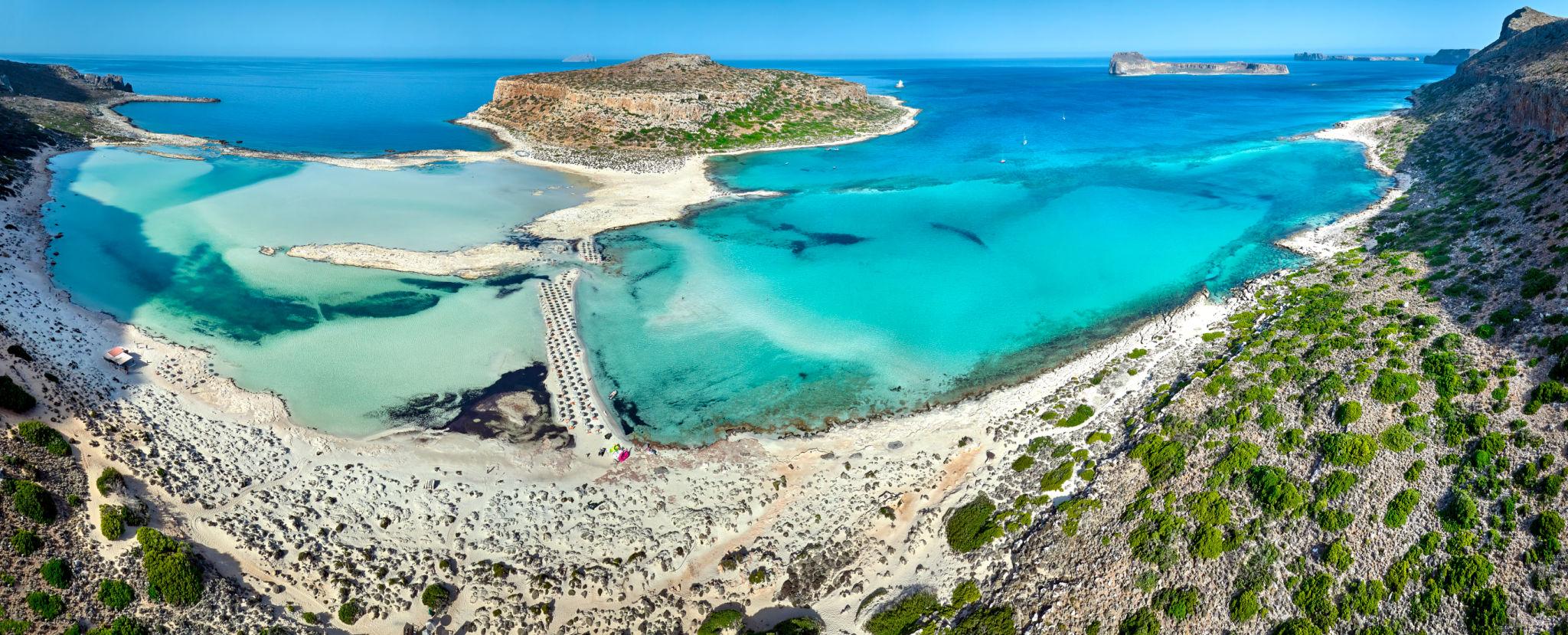
Balos Lagoon is famous for its shallow turquoise water, pale sand and beautiful coastal scenery.
Located in northwestern Crete, it is often included among the island’s most photographed natural attractions.
The lagoon is especially appealing to visitors who enjoy swimming, photography and peaceful coastal landscapes.
Access generally involves a boat trip or a journey along a rough road followed by a walk. Conditions can be challenging, so check current access information and choose the option that suits your fitness and transport arrangements.
Bring water, sun protection and suitable footwear, particularly if you plan to walk to the viewpoint.
5. Elafonissi Beach
Elafonissi is another remarkable beach in western Crete, known for its shallow water, pale sand and areas of pink-coloured sand created by crushed shells.
The water is often calm and shallow, making it attractive for families and visitors looking for a relaxing beach day.
Its natural beauty makes it popular during the summer, so arriving early can help you enjoy a quieter experience.
Visitors should respect protected natural areas and avoid collecting sand, shells or other natural materials.
6. Rethymno Old Town
Rethymno is a charming historic town located between Chania and Heraklion.
Its Old Town features Venetian and Ottoman architectural influences, narrow streets, traditional shops and attractive cafés.
The Venetian Fortezza is one of the town’s main landmarks. It offers historical insight and impressive views over the surrounding area.
Rethymno is an excellent place to spend a relaxed afternoon exploring local architecture, enjoying Greek food and discovering small independent businesses.
7. Samaria Gorge
Samaria Gorge is one of Crete’s most famous natural attractions and an important destination for hiking enthusiasts.
Located within the White Mountains region, the gorge features dramatic cliffs, rocky pathways and remarkable natural scenery.
The full hiking route is demanding and requires appropriate footwear, preparation and enough drinking water. It is not suitable for everyone, particularly visitors with mobility limitations or those unprepared for a long walk.
The gorge’s opening arrangements depend on weather and seasonal conditions, so always check official information before planning your visit.
8. Lake Kournas
Lake Kournas is a beautiful freshwater lake surrounded by hills and natural scenery.
It provides a peaceful alternative to Crete’s busy beaches and coastal resorts.
Visitors can enjoy lakeside cafés, short walks and, where available, pedal-boat activities.
The lake is particularly appealing for travellers looking to spend a relaxed afternoon away from the busiest tourist areas.
9. Spinalonga Island
Spinalonga is a small island near northeastern Crete, known for its Venetian fortifications and later history as a leper colony.
Its historic buildings and defensive walls make it a fascinating place to explore.
Boat trips usually depart from nearby coastal settlements, including Elounda and Plaka, although schedules vary.
A visit offers an opportunity to understand an important and sometimes difficult chapter of modern Greek history.
10. Agios Nikolaos
Agios Nikolaos is an attractive coastal town in eastern Crete.
Its most distinctive feature is Lake Voulismeni, a small lake connected to the sea and surrounded by restaurants and cafés.
The town has a relaxed atmosphere, attractive waterfront areas and convenient access to nearby beaches and villages.
It is a good option for visitors who want a quieter coastal base while still having access to restaurants and local activities.
Best Beaches in Crete
Crete has an extraordinary variety of beaches, from organised resort beaches to remote coastal landscapes.
Some of the island’s most popular choices include:
- Balos Lagoon: Famous for turquoise water and beautiful natural scenery.
- Elafonissi Beach: Known for shallow water and distinctive pinkish sand.
- Falassarna Beach: A spacious western beach with impressive sunset views.
- Preveli Beach: Famous for its palm-lined river and unusual coastal landscape.
- Vai Beach: Known for its natural palm forest and eastern coastline.
- Matala Beach: Recognised for its caves and interesting coastal history.
- Seitan Limania: A dramatic beach surrounded by steep rocky cliffs.
Beach conditions can change depending on wind and weather. Some locations have limited facilities, difficult access or strong currents, so check local advice before swimming.
Discover Crete’s Traditional Villages
Crete’s villages offer a different experience from its larger towns and beach resorts.
Exploring inland settlements allows visitors to discover traditional architecture, local crafts, olive groves and the island’s slower pace of life.
Archanes, near Heraklion, is known for its attractive streets, wine culture and traditional character. Anogeia, located in the mountains, has a strong musical and cultural identity. Margarites is particularly interesting for its pottery workshops and traditional crafts.
Visitors should take time to explore local cafés and family-run restaurants rather than limiting their trip to major tourist attractions.
These smaller communities provide a better understanding of everyday Cretan life.
Cretan Food: What Should You Try?
Food is an essential part of the Crete experience. The island’s cuisine is based on fresh ingredients, olive oil, vegetables, herbs, seafood and locally produced cheese.
Here are some dishes and specialities worth trying.
Dakos
Dakos is one of Crete’s best-known traditional dishes. It usually consists of a crisp barley rusk topped with chopped tomatoes, olive oil, soft cheese and herbs.
It is simple, fresh and full of Mediterranean flavour.
Moussaka
Moussaka is a popular Greek baked dish made with layers of aubergine, minced meat and creamy béchamel sauce.
It is widely available in traditional tavernas across Crete.
Kalitsounia
Kalitsounia are small traditional pastries that can be sweet or savoury.
They are commonly prepared with local cheeses and herbs, although recipes vary between regions and families.
Gamopilafo
Gamopilafo is a traditional rice dish historically associated with Cretan wedding celebrations.
It is usually prepared using meat broth and butter or other local ingredients, creating a rich and comforting meal.
Fresh Seafood
Crete’s coastal towns offer a variety of seafood dishes, including grilled fish, octopus, squid and prawns.
For a good dining experience, look for restaurants that clearly explain the day’s catch and where the seafood comes from.
Local Cheese and Olive Oil
Crete produces several distinctive cheeses, including graviera and mizithra.
The island is also famous for its extra virgin olive oil, which is an important part of everyday cooking.
Trying locally produced olive oil with fresh bread is a simple way to appreciate the island’s food culture.
Traditional Drinks
Raki, also known locally as tsikoudia, is a traditional grape-based spirit often served after meals.
Visitors who do not drink alcohol can enjoy local herbal teas, fresh juices and Greek coffee instead.
If you have food allergies or dietary requirements, explain them clearly when ordering. Traditional dishes may contain dairy, wheat, nuts, seafood or ingredients such as honey that are not always obvious from the menu.
Culture and Local Experiences
Crete has a strong cultural identity, and experiencing its traditions can make a visit much more meaningful.
Enjoy Traditional Cretan Music
Music is an important part of Cretan culture. Traditional instruments, particularly the lyra, are commonly associated with local musical performances.
Some villages and cultural venues organise traditional music evenings where visitors can experience local songs and dances.
Visit Olive Oil Farms
Olive cultivation has been part of Crete’s agricultural history for centuries.
Visiting a local olive oil producer can help visitors understand how olives are harvested, processed and transformed into one of the island’s most important products.
Some producers offer tastings and guided visits.
Explore Local Markets
Markets are excellent places to discover regional products, including herbs, honey, olive oil, cheeses and handmade crafts.
They also provide opportunities to interact with local sellers and learn about the island’s food traditions.
Take a Boat Trip
Boat trips are available from several coastal towns and provide access to nearby islands, beaches and scenic bays.
Popular areas include Elounda, Agios Nikolaos and parts of western Crete.
Choose reputable operators and check what is included before booking.
Shopping in Crete
Shopping in Crete is a combination of modern retail, traditional markets and independent craft stores.
Chania and Heraklion offer the widest range of shops, including clothing boutiques, souvenir stores and local food businesses.
Some worthwhile items to consider include:
- Locally produced olive oil.
- Traditional Cretan honey.
- Handmade ceramics and pottery.
- Local herbs and spices.
- Traditional cheeses, where transport and storage arrangements allow.
- Leather goods and handmade accessories.
- Local textiles and decorative crafts.
The Old Town areas of Chania and Rethymno are especially enjoyable for browsing independent shops.
When purchasing food products, check packaging, storage requirements and any restrictions that may apply when travelling internationally.
Getting Around Crete
Crete is a large island, so transport planning is important.
Renting a Car
A rental car offers the greatest flexibility, particularly if you want to explore beaches, mountain villages and remote attractions.
However, some roads are narrow, winding or mountainous. Drivers should be comfortable with local road conditions and should check insurance, licence and rental requirements before booking.
Public Buses
KTEL operates regional bus services connecting major towns and several tourist destinations.
Buses can be a convenient and affordable option, especially for travelling between larger settlements.
However, services to smaller villages and remote beaches may be limited or seasonal.
Taxis and Ride Services
Taxis are available in major towns, airports and tourist areas.
Confirm the fare or meter arrangements before beginning your journey. Availability of app-based ride services may differ by location.
Walking
Walking is one of the best ways to explore historic centres such as Chania, Rethymno and Heraklion.
Wear comfortable footwear, particularly when exploring old streets with uneven stone surfaces.
Best Time to Visit Crete
Crete has a Mediterranean climate, with hot summers and relatively mild winters.
The best time to visit depends on your preferred activities.
Spring (March to May)
Spring is an excellent period for sightseeing, walking and exploring traditional villages. Temperatures are generally more comfortable than in the peak summer months, and the landscape becomes greener.
Summer (June to August)
Summer is the busiest season, particularly in July and August. The weather is hot, beach conditions are attractive and many tourist businesses operate at full capacity.
However, accommodation and flights can be more expensive, while popular beaches become crowded.
Autumn (September to October)
Autumn is one of the most appealing periods for many visitors. The sea often remains warm, while temperatures become more comfortable for sightseeing and outdoor activities.
September can still be busy, but October is generally quieter.
Winter (November to February)
Winter is the quietest season. Some resorts, restaurants and tourist services reduce their operating hours or close temporarily.
It can still be a good time to experience local towns and everyday island life, but visitors should plan around the reduced availability of tourist facilities.
Where to Stay in Crete
Choosing the right area can make your trip more enjoyable.
Chania: A great choice for visitors interested in historic streets, restaurants, shopping and western Crete’s famous beaches.
Heraklion: Suitable for travellers who prioritise museums, archaeology, city facilities and access to Knossos.
Rethymno: A balanced option with a charming Old Town, beaches and a convenient location between Chania and Heraklion.
Agios Nikolaos: Ideal for a relaxed coastal holiday in eastern Crete, with access to nearby beaches and boat trips.
Elounda: A popular choice for visitors seeking luxury accommodation, coastal scenery and a more resort-focused experience.
Matala: A distinctive southern coastal destination suited to travellers who enjoy a relaxed atmosphere and a smaller seaside community.
Before booking, consider transport connections, distance from attractions, parking availability and whether you prefer a lively town or a quieter setting.
A Practical 3-Day Crete Itinerary
If you only have three days, it is better to focus on one region rather than attempting to explore the entire island.
Day 1: Chania and Its Historic Harbour
Start your trip in Chania by exploring the Venetian Harbour and Old Town.
Visit the historic lighthouse, browse local shops and enjoy lunch at a traditional taverna.
In the afternoon, explore nearby streets and museums before spending the evening beside the waterfront.
Day 2: Balos or Elafonissi
Dedicate your second day to one of western Crete’s famous beaches.
Choose Balos Lagoon if you prefer dramatic coastal scenery and turquoise water. Alternatively, visit Elafonissi for its shallow water and distinctive beach landscape.
Avoid trying to visit both in a single day unless you have carefully planned transport and sufficient time.
Day 3: Rethymno and Local Culture
Travel towards Rethymno and explore its Old Town and Venetian Fortezza.
Enjoy a traditional lunch, browse local craft stores and spend time discovering the town’s architecture.
If your schedule allows, finish the day with a visit to a nearby village or coastal area.
For a trip based in Heraklion, consider replacing this itinerary with Knossos, the Archaeological Museum and a visit to central Heraklion.
Practical Travel Tips for Visiting Crete
A little preparation can help you enjoy a more comfortable trip.
- Plan distances carefully: Crete is a large island, and journeys between regions can take longer than expected.
- Book early in summer: Accommodation and rental cars can become expensive or limited during peak season.
- Carry sun protection: Sunscreen, sunglasses, a hat and drinking water are important during hot weather.
- Wear suitable shoes: Historic streets, hiking routes and some beaches have uneven surfaces.
- Check attraction schedules: Archaeological sites, museums and boat services may have seasonal opening hours.
- Carry some cash: Cards are widely accepted in many tourist businesses, but cash remains useful in smaller villages and local markets.
- Stay hydrated: Heat can make long sightseeing days and hikes more difficult.
- Respect local customs: Dress appropriately when visiting churches and monasteries, and follow photography rules.
- Check driving requirements: Confirm your driving licence, insurance and rental conditions before hiring a vehicle.
- Protect the environment: Avoid leaving rubbish on beaches, hiking routes or in natural areas.
Travellers should also check Greece’s current entry and visa requirements through official government sources before departure.
Responsible Travel in Crete
Crete’s natural environment and traditional communities are among its greatest attractions. Responsible tourism helps protect them for future visitors.
Choose locally owned restaurants, accommodation providers and tour operators whenever possible. Buying regional products directly from local businesses helps support the island’s economy.
At beaches and natural attractions, avoid disturbing wildlife or removing natural materials. Follow marked walking routes and respect protected areas.
Water conservation is also important, particularly during the dry summer months. Use water responsibly and avoid unnecessary waste.
When visiting villages, remember that they are living communities rather than tourist attractions. Respect private property, keep noise levels reasonable and ask permission before photographing people.
Final Thoughts
Crete is a destination that offers far more than a traditional beach holiday. Its ancient history, charming towns, spectacular coastline, mountain scenery and distinctive food culture create an experience that can appeal to many different travellers.
You can spend one day exploring the remains of the Minoan civilisation, another relaxing beside turquoise water and another discovering traditional villages and local food.
The island’s size means that planning your accommodation and transport is essential. Rather than rushing between every attraction, choose a region that matches your interests and give yourself enough time to enjoy it.
Whether you are visiting for a short holiday or planning a longer Greek island adventure, Crete offers an unforgettable combination of history, nature and Mediterranean culture.