Abu Dhabi Travel Guide: Best Places to Visit, Things to Do & Travel Tips
Introduction
Abu Dhabi, the capital of the United Arab Emirates, is a destination where modern architecture, traditional Arabian culture, beautiful coastlines and exciting entertainment come together. While Dubai often attracts attention for its skyscrapers and busy lifestyle, Abu Dhabi offers a different experience. It combines impressive landmarks and luxury attractions with a more relaxed atmosphere and a strong connection to Emirati heritage.
Visitors can spend their mornings exploring magnificent mosques and museums, afternoons relaxing beside the Arabian Gulf, and evenings enjoying waterfront restaurants or traditional Emirati food. The city also offers world-class theme parks, peaceful mangrove forests, cultural attractions and opportunities to explore the desert.
Whether you are planning a short stopover, a family holiday or a longer UAE adventure, Abu Dhabi has plenty to offer. This travel guide covers the best places to visit, things to do, local food, accommodation options and practical advice to help you plan your trip.
What Makes Abu Dhabi Special?
Abu Dhabi stands out because it offers several different travel experiences within one destination. It is modern without losing its cultural identity, luxurious without being limited to expensive experiences, and developed while still protecting important natural environments.
The city is particularly appealing to travellers interested in architecture, history, family entertainment, beaches and cultural experiences.
Some of the highlights include:
- Impressive architecture: Discover the Sheikh Zayed Grand Mosque, Qasr Al Watan and the Louvre Abu Dhabi.
- Beautiful coastlines: Relax along the Corniche or visit the beaches of Saadiyat Island.
- Family entertainment: Enjoy theme parks and attractions across Yas Island.
- Cultural experiences: Learn about Emirati traditions, history, food and hospitality.
- Natural beauty: Explore mangrove forests and nearby desert landscapes.
- Luxury experiences: Visit elegant hotels, waterfront destinations and high-end shopping centres.
Abu Dhabi is also a useful starting point for exploring other parts of the UAE, including Al Ain and the surrounding desert.
Best Places to Visit in Abu Dhabi
1. Sheikh Zayed Grand Mosque
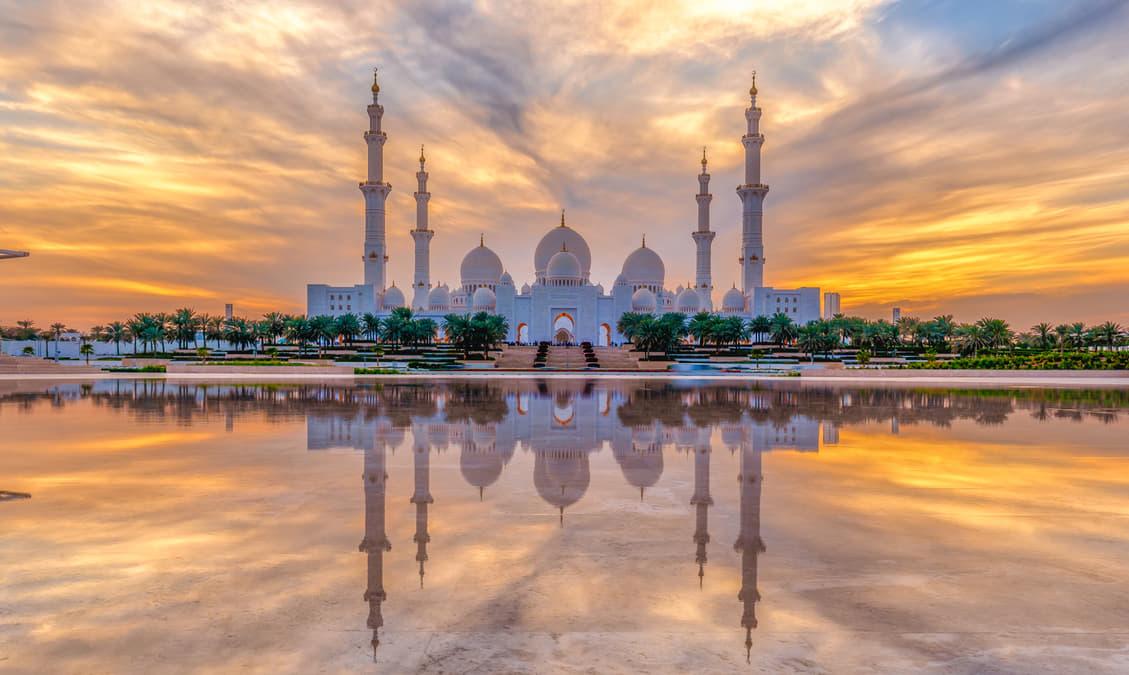
The Sheikh Zayed Grand Mosque is one of Abu Dhabi’s most recognisable landmarks and a must-visit attraction for anyone travelling to the city.
Its enormous white marble structure, elegant domes, decorative columns and detailed Islamic artwork create an unforgettable architectural experience. The mosque is particularly beautiful when illuminated after sunset, although daytime visits also reveal the intricate details of its design.
Visitors can explore designated areas, admire the architecture and learn about Islamic culture and the mosque’s significance.
Travel tips:
- Dress modestly and follow the mosque’s clothing requirements.
- Women and men should ensure their clothing covers the areas specified by visitor guidelines.
- Follow instructions regarding photography and restricted areas.
- Check visitor arrangements and opening hours before arriving.
- Allow enough time to appreciate the architecture rather than rushing through the visit.
This is more than a sightseeing stop. It is an opportunity to understand an important part of the UAE’s cultural and religious identity.
2. Louvre Abu Dhabi
Located on Saadiyat Island, Louvre Abu Dhabi is one of the region’s most important cultural attractions.
The museum is known for its striking architecture, especially its enormous dome, which creates a beautiful effect of sunlight filtering through geometric openings. This effect is often described as a rain of light.
Inside, visitors can explore artworks and historical objects from different civilisations and periods. Rather than focusing on one country or artistic tradition, the museum presents connections between cultures and the shared development of human history.
It is an excellent destination for art enthusiasts, history lovers and anyone interested in exploring global culture.
Travel tip: Check the current exhibition schedule and ticket information before your visit. Allow several hours if you want to explore the galleries comfortably.
3. Qasr Al Watan
Qasr Al Watan, also known as the Presidential Palace, offers visitors an opportunity to discover the UAE’s heritage, governance and architectural traditions.
The palace features impressive halls, detailed decorations, elegant chandeliers and beautifully designed interiors. Its grand architecture reflects the country’s cultural identity and its appreciation for craftsmanship.
Visitors can explore designated public areas, learn about the UAE’s history and discover displays connected to governance, knowledge and national development.
The palace is also particularly attractive to photography enthusiasts because of its impressive exterior and interior spaces.
Travel tip: Visitor access, ticket arrangements and opening hours can change, so check official information before planning your visit.
4. Qasr Al Hosn
For a deeper understanding of Abu Dhabi’s history, visit Qasr Al Hosn.
It is one of the city’s most important historical landmarks and provides a connection to the period before Abu Dhabi became the modern capital it is today.
The site includes the historic fort and cultural spaces that explain the development of the city and the lives of earlier generations.
Exhibitions and displays introduce visitors to traditional life, local craftsmanship and the history of the ruling family and community.
Qasr Al Hosn is especially worthwhile for travellers who want to understand more than the modern skyline and luxury attractions.
5. Heritage Village
Heritage Village offers another opportunity to explore traditional Emirati life.
The attraction presents elements of the UAE’s past through traditional buildings, displays, crafts and demonstrations. Visitors can learn about how people lived before the rapid development of modern cities.
Depending on the activities available, you may see traditional crafts, examples of older homes and objects connected to desert and coastal life.
It is a useful stop for families and visitors who want a simple introduction to the country’s heritage.
6. Abu Dhabi Corniche
The Abu Dhabi Corniche is a beautiful waterfront area stretching along the city’s coastline.
It offers walking and cycling paths, landscaped spaces, beaches and views across the Arabian Gulf. It is an ideal place to enjoy a relaxed afternoon or evening away from the busiest attractions.
Visitors can:
- Walk beside the water.
- Relax at designated beach areas.
- Enjoy cycling along the waterfront.
- Visit nearby cafés and restaurants.
- Watch the sunset over the Gulf.
The Corniche is particularly enjoyable during the cooler months when outdoor activities are more comfortable.
7. Emirates Palace
Emirates Palace is one of Abu Dhabi’s most recognisable luxury landmarks.
Its impressive architecture, landscaped surroundings and grand exterior make it an interesting place to see even if you are not staying at the property.
The hotel is associated with luxury hospitality and offers restaurants and other visitor experiences, subject to access and reservation requirements.
You can appreciate its architecture, enjoy refreshments where visitor access is permitted and explore nearby attractions.
Travel tip: Do not assume every area is open to the general public. Check the property’s current visitor and dining arrangements before arriving.
8. Observation Deck at 300
For a different view of Abu Dhabi, visit the Observation Deck at 300 in the Etihad Towers complex.
The observation area offers elevated views across the city’s skyline, coastline and surrounding landmarks.
It is an excellent option for photography, particularly when the weather is clear. Visitors can also enjoy refreshments while taking in the scenery.
If you enjoy seeing destinations from above, this attraction provides a memorable perspective of Abu Dhabi’s urban landscape.
9. Mangrove National Park and Jubail Mangrove Park
Abu Dhabi is not only about impressive buildings and luxury hotels. It also protects important natural environments, including mangrove forests.
Mangroves are valuable coastal ecosystems that support wildlife, protect shorelines and contribute to environmental balance.
Jubail Mangrove Park offers visitors an opportunity to experience this natural side of the emirate through designated boardwalks and nature activities.
Depending on available services, visitors may also be able to arrange guided kayaking experiences through mangrove waterways.
Why visit?
- Experience a quieter side of Abu Dhabi.
- Learn about coastal ecosystems.
- Observe birds and other wildlife.
- Enjoy nature photography.
- Explore the environment through responsible outdoor activities.
Follow designated paths, avoid disturbing wildlife and check activity availability before travelling.
10. Yas Island
Yas Island is one of Abu Dhabi’s leading entertainment destinations. It is particularly popular with families, adventure seekers and visitors who enjoy theme parks.
The island offers several major attractions, including:
- Ferrari World Abu Dhabi: A theme park associated with the Ferrari brand, featuring high-speed rides and motorsport-inspired attractions.
- Warner Bros. World Abu Dhabi: An indoor theme park featuring entertainment inspired by well-known Warner Bros. characters and stories.
- Yas Waterworld: A water park offering slides, pools and water-based activities.
- SeaWorld Abu Dhabi: A marine-life theme park combining animal habitats, educational experiences and entertainment.
Yas Island also includes shopping, restaurants, hotels and entertainment venues.
It is easy to spend an entire day exploring one of its major attractions. Families may want to dedicate more than one day to the island, particularly if they plan to visit multiple parks.
Travel tip: Compare ticket options, age and height restrictions, park schedules and seasonal opening arrangements before booking.
11. Saadiyat Island
Saadiyat Island is known for its beaches, cultural attractions and luxurious coastal environment.
It is an excellent destination for visitors who want a combination of relaxation and sightseeing.
The island includes beautiful beach areas, resorts and cultural institutions. Louvre Abu Dhabi is one of its major attractions, while the wider Saadiyat Cultural District is an important part of Abu Dhabi’s cultural development.
Visitors can spend time enjoying the beach, exploring museums or relaxing at a beachfront café.
If you prefer a peaceful coastal experience, Saadiyat Island is worth adding to your itinerary.
Other Experiences Worth Exploring
Take a Desert Safari
A desert safari is one of the classic experiences associated with travelling in the UAE.
The desert landscapes outside Abu Dhabi provide opportunities for dune driving, photography and cultural activities.
Depending on the package, an organised excursion may include:
- Guided desert driving.
- Sunset photography.
- Traditional refreshments.
- Cultural entertainment.
- Dinner at a desert camp.
- Opportunities to experience the desert environment.
Choose a reputable operator, follow safety instructions and check what is included before booking. Dune driving is not suitable for everyone, so ask about alternative activities if you prefer a calmer experience.
Take a Day Trip to Al Ain
Al Ain is an excellent destination for travellers who want to explore another side of Abu Dhabi Emirate.
Known as the Garden City, Al Ain offers historic sites, green spaces and mountain scenery.
Popular attractions include Al Ain Oasis, Jebel Hafeet and museums that introduce visitors to the region’s heritage.
Al Ain Oasis is particularly interesting because of its traditional agricultural landscape and irrigation system.
Jebel Hafeet offers impressive mountain views, while the city’s museums provide insight into local history.
A day trip is a good option if you have extra time beyond the main Abu Dhabi attractions.
Best Areas to Explore in Abu Dhabi
Choosing the right area can make your trip more convenient.
Corniche: Ideal for waterfront views, beaches, walking and access to several central attractions.
Downtown and Al Danah: A practical choice for visitors who want restaurants, shops and access to the city’s central areas.
Al Maryah Island: Known for modern buildings, business districts, shopping and dining experiences.
Yas Island: Best for families, theme parks, entertainment and visitors who want to stay close to major attractions.
Saadiyat Island: A good choice for beach holidays, cultural attractions and luxury resorts.
Consider your itinerary before choosing accommodation. Staying near your main attractions can reduce travel time.
Traditional Emirati Food to Try
Food is an important part of experiencing Emirati culture. Abu Dhabi offers traditional local dishes alongside restaurants serving food from around the world.
Here are some dishes and drinks worth trying.
Machboos
Machboos is a traditional rice dish prepared with spices and meat or seafood. Its rich flavour comes from a combination of aromatic ingredients and slow cooking.
Harees
Harees is made using wheat and meat, cooked until the ingredients form a soft, smooth consistency. It is especially associated with traditional family meals and special occasions.
Thareed
Thareed is a traditional dish made with bread, vegetables and meat served with a flavourful broth.
Luqaimat
Luqaimat are small fried dough balls, usually served with sweet syrup or date-based toppings. They are a popular traditional dessert.
Regag Bread
Regag is a thin traditional bread that can be served with different fillings or accompaniments. It is worth trying if you want to experience everyday local flavours.
Shawarma and Seafood
Abu Dhabi also has plenty of popular Middle Eastern street food, including shawarma, grilled meats and fresh seafood.
Arabic Coffee and Dates
Arabic coffee, often served with dates, is an important part of Emirati hospitality. It is a simple but meaningful cultural experience.
Halal food is widely available in the UAE, but travellers with allergies or specific dietary requirements should still confirm ingredients and preparation methods with restaurants.
Shopping in Abu Dhabi
Shopping in Abu Dhabi ranges from modern malls to traditional markets.
Some popular shopping destinations include:
- Yas Mall: A major shopping and entertainment destination on Yas Island.
- Marina Mall: A well-known shopping centre near the Corniche.
- Abu Dhabi Mall: A convenient option for shopping and dining in the city.
- Traditional markets: Useful for exploring local products, souvenirs and traditional shopping experiences.
Consider purchasing dates, Arabic perfumes, locally inspired crafts and traditional souvenirs.
If you enjoy bargaining, ask politely whether prices are negotiable in markets where bargaining is customary.
Understanding Emirati Culture and Local Etiquette
Abu Dhabi is a modern international city, but local traditions and cultural values remain important.
A little cultural awareness can make your visit more comfortable and respectful.
Dress respectfully: Modest clothing is recommended in religious and traditional settings. Specific attractions may have their own dress requirements.
Respect religious places: Follow visitor instructions when entering mosques and other religious sites.
Be aware of Ramadan: During Ramadan, opening hours and daily routines may change. Respect local customs and follow current public guidance concerning eating, drinking and smoking in public during fasting hours.
Ask before photographing people: Always request permission before taking close-up photographs of individuals, particularly in private or sensitive settings.
Understand local laws: The UAE has specific laws and regulations concerning public behaviour, alcohol, photography and other activities. Learn the rules before your visit rather than assuming that practices from your home country apply.
Appreciate hospitality: Arabic coffee, dates and welcoming gestures are important elements of Emirati hospitality.
Getting Around Abu Dhabi
Abu Dhabi offers several transport options, making it relatively straightforward to explore the city.
Taxis
Taxis are a convenient way to travel between major attractions. They are particularly useful when travelling with family or visiting locations that are not close to public transport.
Public Buses
Public buses connect different parts of the city and can be a practical option for budget-conscious travellers.
Check routes, payment arrangements and schedules before travelling.
Ride-Hailing Services
Ride-hailing services can make travelling around the city easier, especially when you want direct transport between attractions.
Car Rental
Renting a car can be useful if you plan to explore multiple areas, visit Al Ain or travel outside the main city.
Check driving licence requirements, insurance conditions and local road rules before renting.
Walking
Walking is enjoyable along the Corniche and in some pedestrian-friendly areas. However, extreme summer heat can make long outdoor walks uncomfortable or unsafe.
Plan outdoor activities according to the weather.
Best Time to Visit Abu Dhabi
The best time to visit Abu Dhabi is generally between November and March, when temperatures are more comfortable for sightseeing and outdoor activities.
November to March: These months are usually the most pleasant for beaches, outdoor attractions, walking and desert experiences.
April and October: These are transitional months. Conditions can be warm, but outdoor sightseeing may still be manageable with careful planning.
May to September: Summer can be extremely hot and humid. Indoor attractions, shopping malls and air-conditioned entertainment venues become especially appealing.
If you visit during summer, schedule outdoor activities early in the morning or later in the evening. Carry water, use sun protection and avoid prolonged exposure to extreme heat.
Where to Stay in Abu Dhabi
Accommodation options range from budget-friendly hotels to luxury resorts.
Corniche: Suitable for visitors who want waterfront access and convenient connections to central attractions.
Downtown: A practical option for restaurants, shopping and general sightseeing.
Yas Island: Ideal for families and visitors planning to spend time at theme parks and entertainment attractions.
Saadiyat Island: Best for travellers looking for beaches, resort experiences and cultural attractions.
Al Maryah Island: A modern area with upscale hotels, shopping and dining options.
Compare location, transport access, hotel facilities and total costs before making a reservation.
A Practical 3-Day Abu Dhabi Itinerary
If you have three days in Abu Dhabi, you can experience several of the city’s main attractions without making the trip feel rushed.
Day 1: Culture and Architecture
- Start your day at Sheikh Zayed Grand Mosque.
- Visit Qasr Al Watan and explore its impressive interiors.
- Spend some time around the Corniche.
- Enjoy dinner at a restaurant offering traditional Emirati or Middle Eastern food.
Day 2: Museums and Nature
- Visit Louvre Abu Dhabi on Saadiyat Island.
- Explore the island’s beaches or nearby cultural attractions.
- Visit Jubail Mangrove Park if conditions and schedules allow.
- Enjoy a relaxed evening at a waterfront restaurant.
Day 3: Entertainment and Shopping
- Spend the day at Yas Island.
- Choose a theme park based on your interests.
- Explore Yas Mall for shopping and dining.
- If you have additional time, consider an evening attraction or a desert excursion on another day.
This itinerary can be adjusted depending on your interests, travel dates and the opening schedules of attractions.
Practical Travel Tips for Abu Dhabi
Before travelling, keep these important points in mind:
- Check visa requirements: Entry rules depend on your nationality and travel documents. Confirm your eligibility through official UAE government or airline information.
- Plan around the weather: Carry water, sunscreen, sunglasses and suitable clothing.
- Book popular attractions early: Major museums, theme parks and special experiences may require advance reservations.
- Respect local customs: Learn basic etiquette before visiting religious and cultural locations.
- Use reliable transport: Choose licensed taxis, recognised ride-hailing services or reputable car rental companies.
- Carry payment options: Cards are widely accepted, but keeping some local currency can be useful.
- Check photography rules: Some locations have restrictions, particularly government, military and private properties.
- Understand local regulations: Familiarise yourself with laws concerning alcohol, public behaviour and other activities.
- Allow extra travel time: Attractions are spread across different islands and districts, so avoid planning too many distant stops in one day.
- Check official opening hours: Schedules, visitor arrangements and ticket prices can change.
Responsible Travel in Abu Dhabi
Responsible tourism helps protect the cultural and natural attractions that make Abu Dhabi special.
When visiting historical sites, follow preservation rules and avoid touching or damaging exhibits.
At beaches and mangrove parks, dispose of waste properly and respect wildlife. Choose responsible tour operators for desert activities and nature excursions.
Support local businesses when possible by trying traditional food, purchasing locally made crafts and learning about Emirati culture.
Responsible travel is not only about protecting the environment. It is also about showing respect for the communities, traditions and places that welcome visitors.
Final Thoughts
Abu Dhabi is a destination that offers much more than luxury hotels and impressive skyscrapers. It brings together cultural landmarks, world-class museums, beautiful beaches, family entertainment and natural landscapes in one memorable travel experience.
From the architectural beauty of Sheikh Zayed Grand Mosque to the cultural collections of Louvre Abu Dhabi, the excitement of Yas Island and the peaceful mangroves, there is something for different types of travellers.
Whether you are visiting for a weekend or planning a longer UAE holiday, Abu Dhabi deserves a place on your travel list. Take time to explore its history, experience its hospitality and discover the different sides of the UAE capital.