Siem Reap Travel Guide: Angkor Wat, Best Places to Visit & Things to Do
Introduction
Siem Reap is one of Southeast Asia’s most fascinating travel destinations, famous for its extraordinary temples, rich Khmer history and welcoming local culture. Located in northwestern Cambodia, the city is best known as the gateway to Angkor Archaeological Park, home to the magnificent Angkor Wat and hundreds of other ancient religious monuments.
For many travellers, visiting Angkor Wat is the main reason to come to Siem Reap. However, the destination offers much more than its famous temples. Traditional markets, Cambodian restaurants, cultural performances, peaceful countryside and the nearby Tonlé Sap Lake provide plenty of additional experiences.
The city has developed into a popular international tourism destination while maintaining a strong connection to Cambodian traditions. Visitors can explore historic architecture in the morning, enjoy traditional Khmer food in the afternoon and discover local markets in the evening.
Siem Reap is also an excellent place to learn about the Khmer Empire, which once controlled a large part of mainland Southeast Asia. Its temples provide an extraordinary look into the region’s architecture, religious beliefs and artistic achievements.
Whether you are interested in history, photography, culture or adventure, Siem Reap offers a memorable introduction to Cambodia.
This guide covers the best attractions, temple experiences, food, neighbourhoods, accommodation and practical travel advice to help you plan your visit.
What Makes Siem Reap Special?
Siem Reap is special because of its connection to the ancient Khmer civilisation.
Between the ninth and fifteenth centuries, the Khmer Empire developed an impressive network of cities, temples and water-management systems. Angkor became its political and religious centre, leaving behind an extraordinary archaeological landscape.
Angkor Wat is the most famous monument, but the wider archaeological park includes many other important structures, including Bayon, Ta Prohm, Banteay Srei and Preah Khan.
The temples demonstrate remarkable stone carving, architectural planning and engineering.
Beyond its history, Siem Reap offers a welcoming atmosphere with local markets, traditional crafts, restaurants and cultural activities.
Its surrounding countryside provides another perspective on Cambodia, with rice fields, villages and waterways that reveal a quieter side of the country.
Best Places to Visit in Siem Reap
1. Angkor Wat
Angkor Wat is Cambodia’s most famous landmark and one of the world’s most remarkable religious monuments.
Originally constructed in the twelfth century under King Suryavarman II, the temple was dedicated to the Hindu god Vishnu before gradually becoming an important Buddhist religious site.
Its distinctive towers, enormous stone galleries and detailed bas-reliefs make it an architectural masterpiece.
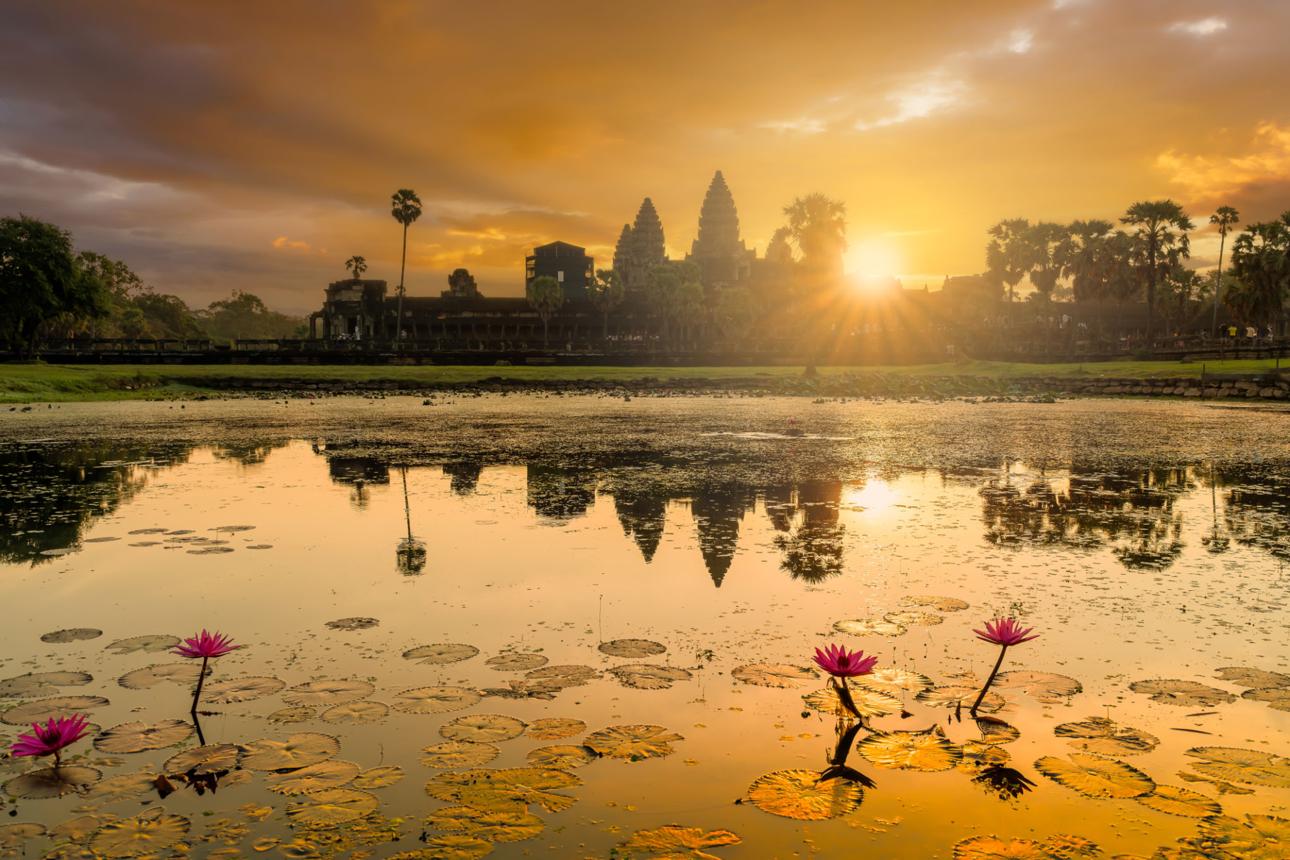
Many visitors arrive before sunrise to watch the temple emerge from the darkness, often reflected in the water pools in front of the complex.
The interior and surrounding galleries offer plenty to explore, so allow several hours rather than treating it as a quick photography stop.
Visitors should dress respectfully because Angkor Wat is an active religious site. Follow the current rules regarding clothing, access and photography.
2. Bayon Temple
Bayon is one of the most recognisable temples in the Angkor complex.
It is famous for its enormous carved stone faces, which appear on towers throughout the structure.
The temple was developed during the reign of King Jayavarman VII and formed part of the ancient city of Angkor Thom.
Its architecture is different from Angkor Wat, with a more complex arrangement of galleries, towers and passageways.
Exploring Bayon provides an opportunity to appreciate the artistic and religious traditions of the Khmer Empire.
3. Ta Prohm
Ta Prohm is famous for the giant trees and enormous roots that grow across its ancient stone structures.
Unlike some restored temples, parts of Ta Prohm retain an atmospheric appearance in which nature and architecture seem to have become one.
The temple was originally built as a Buddhist monastery and university complex.
Its unusual scenery makes it one of the most popular locations for photography.
Visitors should remain on marked routes and avoid climbing damaged walls or touching fragile structures.
4. Angkor Thom
Angkor Thom was one of the major capitals of the Khmer Empire.
The ancient city is surrounded by enormous walls and includes several important structures, including Bayon Temple and the Terrace of the Elephants.
Its monumental entrances are decorated with impressive sculptures.
Exploring Angkor Thom helps visitors understand how the ancient Khmer capital was organised and how religious and political life were connected.
5. Banteay Srei
Banteay Srei is a smaller temple located outside the main Angkor complex.
It is famous for its detailed pink sandstone carvings, which are among the finest examples of Khmer decorative art.
The temple’s intricate designs include religious figures, floral patterns and scenes from Hindu mythology.
Its craftsmanship makes it particularly interesting for visitors who appreciate architecture and sculpture.
Because it is farther from central Angkor Wat, plan transport carefully.
6. Preah Khan
Preah Khan is a large temple complex built during the reign of Jayavarman VII.
It once served as an important religious, educational and administrative centre.
The site contains long corridors, courtyards, carved stone structures and areas where trees have become part of the surrounding architecture.
Compared with the busiest attractions, some sections can feel quieter and offer more opportunities for exploration.
7. Phnom Bakheng
Phnom Bakheng is a historic temple located on a hill overlooking parts of the Angkor landscape.
It is particularly known as a sunset viewpoint.
Visitors can enjoy views across the surrounding forest and, under suitable conditions, towards Angkor Wat.
Access arrangements and visitor numbers may be controlled, especially around sunset, so check current rules before planning your visit.
8. Banteay Kdei
Banteay Kdei is a Buddhist temple complex located near Srah Srang.
It features impressive galleries, courtyards and carved stone entrances.
The site offers an interesting opportunity to explore Khmer architecture without spending all your time at the most crowded monuments.
Its surrounding atmosphere makes it a worthwhile addition to a wider Angkor itinerary.
9. Srah Srang
Srah Srang is a large ancient reservoir located near Banteay Kdei.
It is sometimes called the Royal Bathing Pool and is known for its peaceful waterside setting.
The stone terrace beside the reservoir provides an attractive place to appreciate the surrounding landscape.
It is particularly beautiful in the early morning.
10. Cambodia Landmine Museum
The Cambodia Landmine Museum provides important information about the country’s history with landmines and unexploded ordnance.
Its exhibits explain the impact of decades of conflict on Cambodian communities and the continuing work involved in making land safer.
It is a meaningful educational stop for visitors who want to understand more about Cambodia’s recent history.
Approach the subject respectfully and allow time to engage with the information.
Discover the Wider Angkor Archaeological Park
Angkor Wat is only one part of a much larger archaeological landscape.
The Angkor Archaeological Park contains numerous temples, reservoirs and ancient structures spread across a wide area.
Some visitors choose to explore the main temples in one day, while others spend two or three days discovering different parts of the complex.
A longer visit allows you to experience both the famous monuments and quieter sites.
Popular areas include:
- Angkor Wat: The iconic temple and its surrounding galleries.
- Angkor Thom: The ancient walled city and its monumental entrances.
- Bayon: Famous for its carved stone faces.
- Ta Prohm: Known for its tree-covered ruins.
- Preah Khan: A large historic religious complex.
- Banteay Srei: Renowned for intricate sandstone carvings.
The park is extensive, so planning a logical route helps reduce unnecessary travel time.
Explore Siem Reap’s Local Attractions
Although the temples are the main attraction, the city itself offers several worthwhile experiences.
1. Pub Street
Pub Street is one of Siem Reap’s best-known nightlife areas.
It is filled with restaurants, cafés, bars and entertainment venues.
The area becomes especially lively in the evening, making it a popular place to relax after a day of temple exploration.
Visitors who prefer a quieter atmosphere can explore nearby streets for smaller restaurants and cafés.
2. Old Market (Psar Chas)
The Old Market is one of the city’s traditional shopping destinations.
It offers fresh produce, household products, clothing, souvenirs and local food.
Walking through the market provides a glimpse into everyday commercial life in Siem Reap.
It is also a good place to look for locally made products and traditional Cambodian ingredients.
3. Angkor Night Market
The Angkor Night Market is a popular evening shopping destination.
Visitors can browse shops selling souvenirs, textiles, handicrafts, artwork and accessories.
The atmosphere is generally relaxed, with nearby food and entertainment options.
Compare prices and product quality before buying, and remember that bargaining should remain polite and respectful.
4. Wat Preah Prom Rath
Wat Preah Prom Rath is a Buddhist temple located in central Siem Reap.
Its colourful buildings, decorative artwork and peaceful surroundings provide a contrast to the busy tourist streets.
Visitors can observe local religious traditions and appreciate Cambodian Buddhist architecture.
Dress modestly and avoid disturbing worshippers.
5. Wat Thmey
Wat Thmey is a Buddhist temple complex associated with a memorial to victims of the Khmer Rouge period.
It provides an opportunity to reflect on Cambodia’s tragic recent history.
Visitors should approach the site with sensitivity and respect.
Tonlé Sap Lake and Floating Villages
Tonlé Sap is the largest freshwater lake in Southeast Asia and an important part of Cambodia’s natural and economic environment.
The lake supports fishing communities, agriculture and a wide variety of wildlife.
Several communities around the lake are known for homes and buildings adapted to changing water levels.
A visit can provide insight into how people live and work in this distinctive environment.
However, not every tour offers the same experience. Choose responsible operators who respect local communities, avoid exploitative activities and explain how tourism benefits residents.
Water levels vary significantly by season, so the appearance of the lake and accessibility of some locations can change throughout the year.
Cambodian Food: What Should You Try in Siem Reap?
Cambodian cuisine is known for fresh herbs, rice, vegetables, fish, coconut milk and distinctive spice combinations.
Siem Reap is an excellent place to discover traditional Khmer dishes.
1. Fish Amok
Fish amok is one of Cambodia’s most famous dishes.
It is commonly prepared using fish, coconut milk, curry spices and herbs, often steamed in banana leaves.
The result is a creamy, aromatic dish with a distinctive texture.
2. Lok Lak
Lok lak is a popular Cambodian stir-fried beef dish.
It is often served with rice, fresh vegetables and a dipping sauce containing lime and black pepper.
It is a good option for visitors who enjoy simple, flavourful meals.
3. Nom Banh Chok
Nom banh chok is a traditional Cambodian noodle dish often eaten for breakfast.
It typically includes rice noodles served with a fish-based green curry sauce and fresh vegetables and herbs.
It is a popular local meal and an excellent introduction to Khmer food culture.
4. Beef Skewers
Grilled beef skewers are a common street-food option.
They are often marinated with spices and served with vegetables or dipping sauces.
Choose busy stalls with good food-handling practices.
5. Khmer Red Curry
Cambodian red curry is generally milder than some neighbouring Southeast Asian curries.
It often includes coconut milk, vegetables, herbs and meat or fish.
It is commonly served with rice or bread.
6. Kuy Teav
Kuy teav is a popular noodle soup made with rice noodles and a flavourful broth.
It may include pork, beef, seafood or other ingredients, depending on the restaurant.
It is commonly eaten for breakfast.
7. Fresh Spring Rolls
Fresh spring rolls are often prepared with vegetables, herbs and noodles wrapped in thin rice paper.
Some versions include meat or seafood.
They are a light option for visitors looking for something fresh.
8. Cambodian Desserts
Cambodian desserts often include coconut milk, sticky rice, tropical fruit and sweetened beans.
Popular ingredients include banana, mango and coconut.
Local markets and dessert shops provide opportunities to try different varieties.
9. Tropical Fruit
Cambodia offers a wide range of tropical fruits, including mangoes, bananas, dragon fruit, papaya and pineapple.
Fresh fruit is widely available in markets and restaurants.
Choose freshly prepared fruit from clean stalls and avoid consuming unwashed produce if you are unsure about food hygiene.
If you have allergies, ask about ingredients before ordering. Cambodian dishes may contain peanuts, fish sauce, shellfish, soy, coconut or other ingredients that are not always obvious from the menu.
Culture and Local Experiences
Siem Reap provides several ways to experience Cambodian culture beyond its temples.
Experience Apsara Dance
Apsara dance is a traditional Cambodian performing art with roots in classical Khmer culture.
Performers wear elaborate costumes and use graceful hand movements to communicate stories and symbolism.
Some cultural venues and restaurants organise performances for visitors.
Choose established shows that treat the tradition respectfully and provide meaningful cultural context.
Visit a Cambodian Craft Workshop
Traditional Cambodian crafts include silk weaving, stone carving, wood carving and handmade textiles.
Visiting a responsible workshop can help you understand the skill and time involved in creating these products.
It also provides an opportunity to support local artisans.
Learn About Khmer History
Cambodia has a complex history that includes the rise of the Khmer Empire and the difficult events of the twentieth century.
Museums and educational attractions in Siem Reap can help visitors understand these different periods.
Taking time to learn about the country’s history adds context to the places you visit.
Explore the Countryside
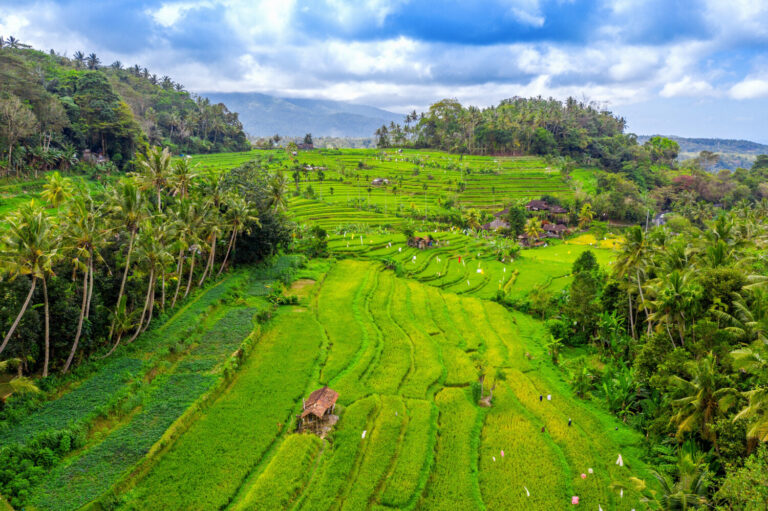
The countryside around Siem Reap features rice fields, traditional villages and peaceful rural landscapes.
A guided countryside excursion can provide a different perspective on Cambodian life beyond the tourist centre.
Choose operators who respect residents’ privacy and do not treat communities as staged attractions.
Shopping in Siem Reap
Siem Reap is a good place to discover traditional Cambodian crafts and locally made products.
Popular shopping areas include the Old Market, Angkor Night Market and independent shops around the town centre.
Items worth considering include:
- Cambodian silk products.
- Handmade scarves and textiles.
- Traditional artwork.
- Wooden carvings.
- Silver jewellery.
- Locally produced spices.
- Handmade baskets.
- Cambodian coffee and packaged food products.
When purchasing cultural or antique objects, check that the item can legally be exported. Avoid products made from protected wildlife or materials taken from archaeological sites.
Supporting genuine local artisans helps preserve traditional skills and benefits the community.
Getting Around Siem Reap
Siem Reap is easier to navigate than many larger Southeast Asian cities, but visiting the wider Angkor area requires some transport planning.
Tuk-Tuks
Tuk-tuks are one of the most common ways to travel around Siem Reap.
They are convenient for short journeys and can also be arranged for full-day temple visits.
Agree on the route, price and duration before starting your journey.
Remork-Moto
A remork is a Cambodian passenger trailer pulled by a motorcycle.
It is commonly used for local transport and sightseeing.
Choose reputable drivers and confirm the fare before travelling.
Bicycles
Cycling can be a pleasant way to explore the city and some nearby areas.
However, distances around Angkor can be substantial, and the heat can make longer journeys demanding.
Use suitable safety equipment and plan your route carefully.
Cars and Private Drivers
A private car or driver can be useful for visiting distant temples, travelling with family or avoiding long rides in the heat.
For longer excursions, compare prices and confirm what is included.
Walking
Walking is a good way to explore the central market areas, Pub Street and nearby attractions.
Wear comfortable footwear and carry water, particularly during hot weather.
Best Time to Visit Siem Reap
Siem Reap has a tropical climate with distinct wet and dry seasons.
The best time to visit depends on your preference for weather, crowd levels and landscape conditions.
Dry Season (November to April)
The dry season is generally the most popular period for visiting Siem Reap.
November to February usually offers more comfortable conditions for sightseeing, although popular temples can become crowded.
March and April are generally much hotter, so early-morning visits are particularly important.
Wet Season (May to October)
The wet season brings regular rainfall, often in the form of afternoon showers.
The surrounding countryside becomes greener, and some temple areas look especially beautiful during this period.
However, rain can affect travel arrangements and walking conditions.
September and October are often among the wetter months.
For many visitors, November to February offers a good balance of comfortable weather and sightseeing opportunities.
Where to Stay in Siem Reap
Choosing the right location depends on your budget and preferred atmosphere.
Old Market Area: Ideal for visitors who want restaurants, shopping and nightlife within walking distance.
Wat Bo Area: A good choice for travellers seeking a slightly quieter atmosphere with cafés and accommodation options.
Charles de Gaulle Boulevard: Convenient for visitors interested in access to Angkor Wat and several hotels.
Riverside Area: Suitable for travellers who prefer a relaxed setting close to central attractions.
Countryside Resorts: Ideal for visitors seeking peaceful accommodation surrounded by gardens and nature.
When booking, consider air conditioning, swimming-pool availability, transport arrangements and the distance to the Angkor entrance.
A Practical 3-Day Siem Reap Itinerary
Three days provide a good introduction to Siem Reap and its most important attractions.
Day 1: Angkor Wat and Angkor Thom
Begin early with a sunrise visit to Angkor Wat.
Spend the morning exploring its galleries, towers and surrounding areas.
Continue to Angkor Thom and visit Bayon Temple.
In the afternoon, explore the Terrace of the Elephants and other nearby structures.
Return to the city for dinner and a relaxed evening.
Day 2: Ta Prohm and Other Temples
Start the day at Ta Prohm to explore its tree-covered ruins.
Continue towards Banteay Kdei and Srah Srang.
If time allows, visit Preah Khan or another nearby temple.
Spend the evening exploring the Old Market and Angkor Night Market.
Day 3: Local Culture and Tonlé Sap
Spend the morning exploring the Old Market and Wat Preah Prom Rath.
Visit a reputable Cambodian craft workshop or cultural attraction.
In the afternoon, consider an organised excursion to Tonlé Sap Lake, depending on seasonal water conditions and available tours.
Finish your trip with traditional Khmer food or an Apsara dance performance.
For visitors with more time, a separate day trip to Banteay Srei is worthwhile.
Practical Travel Tips for Visiting Siem Reap
A little preparation can make your trip more comfortable.
- Start temple visits early: Morning temperatures are generally more comfortable for exploring.
- Dress respectfully: Temples require appropriate clothing covering shoulders and knees.
- Carry water: The tropical climate can make sightseeing tiring.
- Use sun protection: Sunscreen, sunglasses and a hat are important.
- Wear comfortable shoes: Temple grounds often include uneven stone surfaces and steps.
- Carry small amounts of cash: Cash is useful for markets, small businesses and transport.
- Confirm transport prices: Agree on tuk-tuk fares and tour arrangements before travelling.
- Respect temple rules: Follow restrictions on photography, access and climbing.
- Protect your belongings: Take normal precautions in busy markets and nightlife areas.
- Check entry requirements: Confirm current Cambodian visa and entry requirements through official government sources.
- Book Angkor passes through official channels: Check current ticket types, prices and access conditions before visiting.
Cambodia uses the Cambodian riel, while US dollars are also commonly used in many tourist and commercial settings. Payment practices and exchange arrangements can vary, so check current guidance and carry clean, undamaged notes if using cash.
Responsible Travel in Siem Reap
Siem Reap’s archaeological sites and cultural traditions are important parts of Cambodia’s heritage.
Responsible travel helps protect these resources while supporting local communities.
Choose locally owned restaurants, accommodation providers and tour operators whenever possible.
When visiting temples, avoid touching fragile carvings, climbing restricted structures or leaving rubbish behind.
Respect religious ceremonies and local customs, and ask permission before photographing people.
When visiting villages or floating communities, avoid tours that exploit residents or treat their daily lives as entertainment.
Support genuine local crafts and avoid buying items made from protected wildlife or illegally removed archaeological materials.
By travelling thoughtfully, visitors can help ensure that Siem Reap’s history and culture remain protected for future generations.
Final Thoughts
Siem Reap is a destination where ancient history and modern Cambodian life come together.
Its extraordinary temples, especially Angkor Wat, offer an unforgettable look into the achievements of the Khmer Empire. Beyond the archaeological sites, the city provides traditional food, lively markets, cultural performances and opportunities to discover rural Cambodia.
A visit becomes much more rewarding when you allow enough time to explore the wider Angkor complex rather than focusing only on its most famous monument.
Take time to learn about the country’s history, support local businesses and experience the everyday culture of the region.
Whether you are visiting for ancient architecture, photography, food or cultural discovery, Siem Reap is an essential destination for anyone exploring Cambodia.