Lisbon Travel Guide: Best Places to Visit, Food, Culture & Things to Do
Introduction
Lisbon is one of Europe’s most charming capital cities, known for its colourful streets, historic architecture, scenic viewpoints and relaxed atmosphere. Built across seven hills beside the Tagus River, Portugal’s capital combines traditional neighbourhoods with modern cafés, cultural attractions and a lively food scene.
The city has a distinctive character shaped by centuries of maritime exploration, trade and cultural exchange. Its historic buildings, tiled façades and traditional music reflect a rich past, while its contemporary galleries, restaurants and creative districts show how Lisbon continues to evolve.
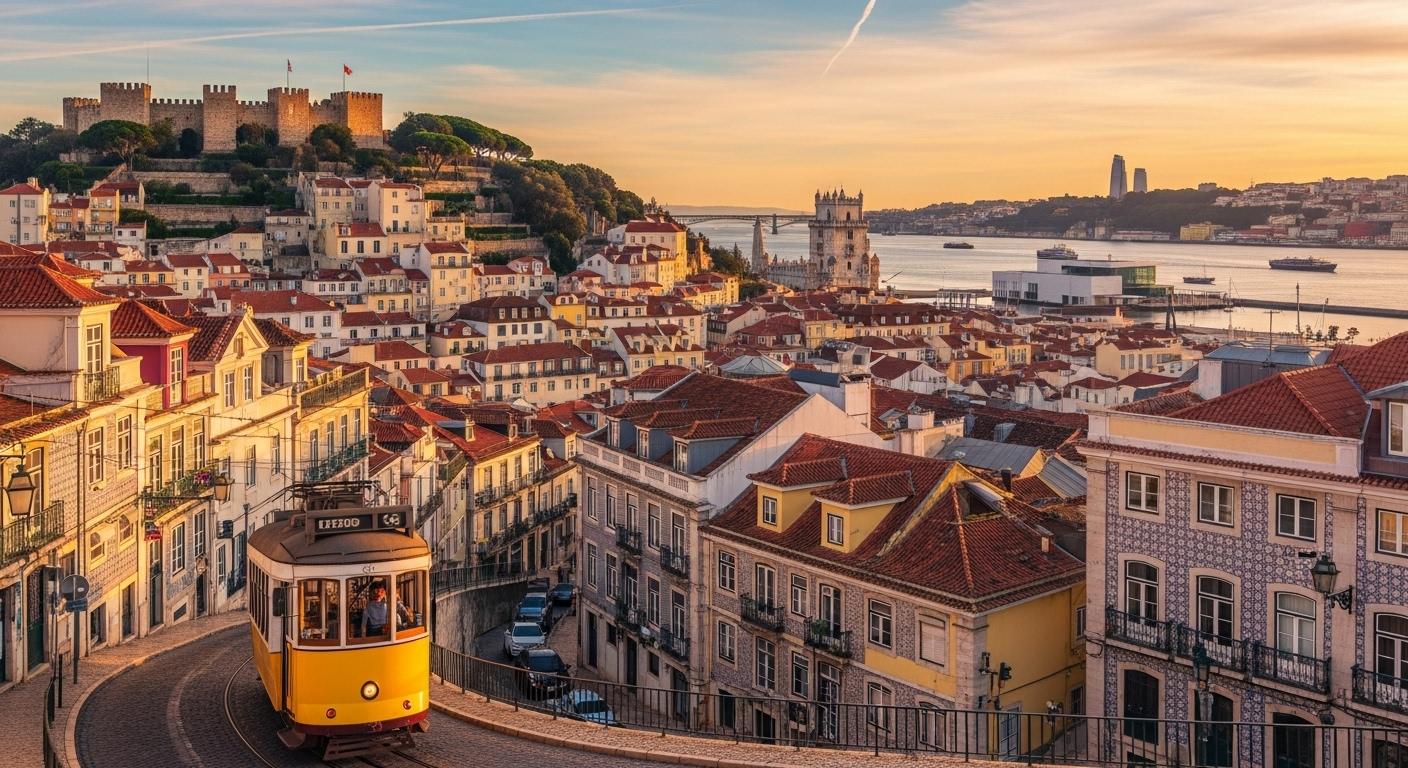
One of the best ways to experience Lisbon is simply to explore on foot. You can wander through narrow streets in Alfama, ride a traditional yellow tram, admire the city from a hilltop viewpoint and enjoy fresh seafood beside the river.
Lisbon is also an excellent base for exploring nearby destinations such as Sintra, Cascais and the beaches along the Portuguese coast.
Whether you are interested in history, architecture, food, photography or relaxed city breaks, Lisbon offers plenty of reasons to visit.
This guide covers the best places to see, neighbourhoods to explore, traditional Portuguese dishes, transport options and practical tips to help you plan your journey.
What Makes Lisbon Special?
Lisbon stands out for its combination of historic charm, coastal scenery and everyday local culture.
Its architecture is particularly distinctive. Many buildings feature colourful ceramic tiles known as azulejos, while traditional streets are decorated with patterned pavements and historic façades.
The city’s famous yellow trams travel through steep neighbourhoods, creating some of Europe’s most recognisable urban scenes.
Lisbon is also closely connected to Portugal’s maritime history. During the Age of Discovery, Portuguese explorers travelled across the world, and the city became an important centre of international trade.
Today, visitors can explore monuments celebrating that history while enjoying a modern European lifestyle.
Another reason people love Lisbon is its atmosphere. Outdoor cafés, riverside walks, traditional bakeries and beautiful viewpoints make it easy to enjoy the city without following a packed sightseeing schedule.
Best Places to Visit in Lisbon
1. Belém Tower
Belém Tower is one of Lisbon’s most famous landmarks and an important symbol of Portugal’s maritime history.
Built in the early sixteenth century, the tower originally served as part of the city’s defensive system and played a role in protecting the entrance to the Tagus River.
Its distinctive architecture combines military design with decorative Manueline details.
The tower is located beside the river and is especially attractive for photography.
Visitors should check current opening arrangements and access information before planning an interior visit, as restoration work and maintenance can affect availability.
2. Jerónimos Monastery
Jerónimos Monastery is one of Portugal’s most impressive historic buildings and a UNESCO World Heritage Site.
Located in Belém, the monastery is an outstanding example of Manueline architecture, featuring elaborate stone carvings, decorative columns and detailed religious artwork.
Its construction began in the sixteenth century during Portugal’s period of maritime expansion.
The monastery is closely connected to Portuguese national history and the voyages of exploration.
Allow enough time to appreciate the architecture and explore the surrounding area.
3. São Jorge Castle
São Jorge Castle stands on one of Lisbon’s highest hills and offers impressive views over the city.
The historic fortress has origins dating back many centuries and has played an important role in Lisbon’s development.
Visitors can explore its walls, towers and archaeological areas while enjoying panoramic views of the surrounding rooftops and Tagus River.
The journey to the castle involves uphill walking, so comfortable shoes are recommended.
It is particularly attractive during the late afternoon when the city begins to glow in the softer light.
4. Praça do Comércio
Praça do Comércio is one of Lisbon’s most recognisable public squares.
Located beside the Tagus River, it is surrounded by impressive yellow buildings and historic arcades.
The square was rebuilt following the devastating earthquake of 1755, which transformed much of Lisbon.
Today, it is a popular meeting place and a convenient starting point for exploring the Baixa district.
Visitors can enjoy riverside views, cafés and nearby pedestrian streets.
5. Alfama District
Alfama is one of Lisbon’s oldest and most atmospheric neighbourhoods.
Its narrow streets, traditional houses, small restaurants and historic buildings create a sense of stepping into another era.
The neighbourhood is especially famous for fado music, a traditional Portuguese musical style often associated with themes of longing and emotion.
Exploring Alfama on foot is one of the best ways to experience Lisbon.
However, the streets are steep and sometimes uneven, so wear comfortable footwear and allow plenty of time.
6. Santa Justa Lift
The Santa Justa Lift is a historic iron elevator connecting the lower streets of Baixa with the higher Carmo area.
Its design reflects the engineering and architectural styles of the early twentieth century.
The lift is a popular attraction because it offers an unusual way to move between two levels of the city.
The surrounding area also provides attractive views and access to nearby historic streets.
Check current operating arrangements and ticket requirements before visiting.
7. Lisbon Cathedral
Lisbon Cathedral, also known as Sé de Lisboa, is one of the city’s oldest religious buildings.
Its architecture combines Romanesque, Gothic and later decorative influences, reflecting several periods of rebuilding and restoration.
Located close to Alfama, the cathedral is an easy addition to a walking tour of the historic centre.
Visitors interested in religious history and architecture will find it particularly rewarding.
8. LX Factory
LX Factory is a creative and cultural area located in a former industrial complex.
It is now home to independent shops, restaurants, cafés, galleries and creative businesses.
The area offers a very different atmosphere from Lisbon’s traditional historic districts.
Visitors can browse bookshops, discover local designers and enjoy street art.
It is particularly appealing to travellers interested in contemporary culture and independent businesses.
9. Time Out Market Lisboa
Time Out Market is a popular food destination located near Cais do Sodré.
It brings together a variety of food stalls and dining options in one busy indoor space.
Visitors can sample Portuguese dishes, desserts and modern interpretations of local cuisine.
It is a convenient choice for groups who want to try different foods without committing to a single restaurant.
The market can become crowded during busy meal periods, so consider visiting outside peak lunch and dinner times.
10. Miradouro da Senhora do Monte
Lisbon is famous for its viewpoints, known locally as miradouros.
Miradouro da Senhora do Monte is one of the city’s best-known spots for panoramic views.
From here, visitors can admire the rooftops, historic buildings and distant river scenery.
It is especially attractive around sunset, although the viewpoint can become busy during popular visiting hours.
Other viewpoints worth exploring include Miradouro de Santa Catarina and Miradouro das Portas do Sol.
Explore Lisbon’s Most Interesting Neighbourhoods
Each neighbourhood in Lisbon has its own atmosphere, making it worthwhile to explore beyond the main attractions.
Alfama
Alfama is ideal for visitors who enjoy historic streets, traditional restaurants and Portuguese culture.
Its narrow lanes, small squares and fado venues make it one of the city’s most memorable districts.
Baixa
Baixa is Lisbon’s central downtown area, known for its organised streets, traditional shops and large public squares.
It is a convenient location for sightseeing because many attractions are within walking distance.
Chiado
Chiado is a fashionable neighbourhood filled with cafés, bookstores, theatres and boutique shops.
It combines historic buildings with a lively contemporary atmosphere.
It is a good choice for travellers who enjoy shopping, culture and relaxed café visits.
Bairro Alto
Bairro Alto is known for its restaurants, bars and nightlife.
During the day, it has a quieter atmosphere, but in the evening its streets become lively with visitors and locals.
It is a good area for experiencing Lisbon’s social scene, although travellers seeking quiet accommodation may prefer another neighbourhood.
Belém
Belém is located west of the historic centre and is particularly important for its monuments, museums and riverside attractions.
It is a great area for history lovers and visitors interested in Portugal’s maritime heritage.
Portuguese Food: What Should You Try in Lisbon?
Portuguese food is one of the highlights of visiting Lisbon. The cuisine is known for fresh seafood, grilled meats, olive oil, bread, pastries and simple but flavourful ingredients.
Here are some dishes and specialities worth trying.
1. Pastel de Nata
Pastel de nata is Portugal’s most famous pastry.
It consists of a small, crisp pastry shell filled with creamy custard, often finished with a lightly caramelised top.
It is commonly enjoyed with coffee and is available in bakeries throughout Lisbon.
Trying a freshly baked pastel de nata is an essential part of the city’s food experience.
2. Bacalhau
Bacalhau is salted cod and one of the most important ingredients in Portuguese cuisine.
It appears in many traditional recipes, including bacalhau à Brás, which combines shredded cod with potatoes, onions and eggs.
Different restaurants prepare it in different ways, making it worth trying more than one version.
3. Sardinhas Assadas
Grilled sardines are particularly associated with Portuguese summer food culture.
They are commonly served with potatoes, salad or bread.
During Lisbon’s traditional June festivities, sardines become especially popular across the city.
4. Caldo Verde
Caldo verde is a traditional Portuguese soup made with potatoes, finely sliced leafy greens and other ingredients.
It is often served with a slice of bread and sometimes includes sausage.
It is a comforting dish that is especially enjoyable during cooler weather.
5. Bifana
A bifana is a popular Portuguese sandwich usually filled with thin slices of seasoned pork.
It is often served in a simple bread roll and can be enjoyed as a quick lunch or snack.
Different cafés and restaurants have their own versions.
6. Arroz de Marisco
Arroz de marisco is a rich seafood rice dish prepared with ingredients such as prawns, shellfish and other seafood.
It is often served with a moist, flavourful consistency rather than being completely dry.
It is a great choice for travellers who enjoy seafood.
7. Ginjinha
Ginjinha is a traditional Portuguese cherry liqueur associated with Lisbon.
It is commonly served in small glasses and is sometimes offered with a cherry.
Visitors who do not drink alcohol can explore the city’s many cafés, fresh juices and traditional non-alcoholic drinks instead.
8. Portuguese Coffee
Coffee is an important part of daily life in Lisbon.
A small espresso-style coffee is often ordered as a bica.
Many local cafés also serve pastries and light snacks, making them excellent places for a relaxed break between attractions.
If you have food allergies, ask restaurant staff about ingredients before ordering. Traditional dishes may contain dairy, gluten, seafood, nuts or alcohol-based ingredients.
Culture and Local Experiences
Lisbon offers more than monuments and viewpoints. Its traditions, music and everyday activities provide a deeper understanding of Portuguese culture.
Experience Fado Music
Fado is a traditional Portuguese musical style known for emotional singing and expressive guitar accompaniment.
It is particularly associated with Alfama and Mouraria.
Visitors can attend performances at dedicated fado venues, where music is often combined with a traditional meal.
Choose a reputable venue and check whether reservations or minimum spending requirements apply.
Ride a Traditional Tram
Lisbon’s historic trams are one of the city’s most recognisable features.
The famous Tram 28 passes through several historic neighbourhoods and offers an unusual way to experience the city’s steep streets.
It is also popular with tourists, so expect crowds during busy periods.
Keep your belongings secure and consider using alternative transport when the tram is extremely crowded.
Explore Portuguese Tile Art
Azulejos are decorative ceramic tiles used throughout Portugal.
They can be seen on churches, houses, railway stations and historic buildings.
Some museums and cultural spaces provide opportunities to learn more about the techniques and history behind this traditional art form.
Enjoy the Riverside
The Tagus River provides a beautiful setting for walking, photography and relaxed outdoor dining.
Areas around Praça do Comércio and Cais do Sodré are particularly convenient for enjoying the waterfront.
Take a Day Trip to Sintra
Sintra is one of the most popular day trips from Lisbon.
Located in the nearby hills, it is famous for its romantic palaces, historic estates and beautiful landscapes.
Pena Palace and Quinta da Regaleira are among its best-known attractions.
Allow a full day if you want to explore more than one major site, and check transport and ticket arrangements in advance.
Shopping in Lisbon
Shopping in Lisbon offers a mixture of traditional crafts, modern fashion and independent Portuguese brands.
Chiado is one of the best areas for boutiques, bookstores and well-known shops.
Baixa has traditional stores and souvenir businesses, while LX Factory offers independent designers and creative products.
Visitors may want to look for:
- Portuguese ceramic tiles and decorative pieces.
- Cork products and accessories.
- Traditional textiles.
- Handmade jewellery.
- Portuguese olive oil.
- Local tinned seafood.
- Traditional sweets and packaged food products.
- Independent fashion and design items.
When buying ceramic or fragile products, ask about suitable packaging for travel.
Getting Around Lisbon
Lisbon has a useful public transport network, although its hills and narrow streets can make walking tiring.
Metro
The Lisbon Metro connects the airport with several important areas of the city.
It is one of the quickest options for longer journeys within the main urban area.
Trams
Trams are especially useful for exploring certain historic neighbourhoods.
They are also part of Lisbon’s identity, although popular routes can become crowded.
Buses
Public buses serve areas that are not directly connected by metro or tram.
They can be useful for reaching museums, neighbourhoods and other attractions.
Trains
Train services connect Lisbon with destinations such as Sintra and Cascais.
These are particularly useful for day trips outside the city centre.
Walking
Walking is one of the best ways to discover Lisbon’s historic districts.
However, the city has steep hills, cobbled pavements and uneven streets, so comfortable shoes are essential.
Taxis and Ride-Hailing
Licensed taxis and app-based transport services are available in Lisbon.
They can be useful when carrying luggage or travelling to areas that are less convenient by public transport.
Check current transport fares, ticket options and operating schedules before travelling.
Best Time to Visit Lisbon
Lisbon has a Mediterranean climate with mild winters and warm, often dry summers.
Spring and autumn are generally excellent seasons for exploring the city.
Spring (March to May)
Spring offers comfortable temperatures and good conditions for walking around historic neighbourhoods.
The city becomes increasingly lively as outdoor cafés and attractions welcome more visitors.
Summer (June to August)
Summer is warm and sunny, making it ideal for outdoor activities and coastal trips.
June is especially lively because of Lisbon’s traditional celebrations, although accommodation and popular attractions can become busy.
July and August are usually hotter and more crowded.
Autumn (September to November)
Autumn is an attractive time to visit because temperatures are often pleasant and the summer crowds begin to decrease.
September can still feel like summer, while November is generally cooler and wetter.
Winter (December to February)
Winter is relatively mild compared with many northern European destinations.
Rainfall is more common, but visitors can still enjoy museums, cafés, restaurants and indoor attractions.
Where to Stay in Lisbon
Choosing the right neighbourhood depends on your interests, budget and preferred atmosphere.
Baixa: Ideal for first-time visitors who want central accommodation and convenient access to major attractions.
Chiado: A great choice for travellers interested in cafés, shopping, theatres and historic streets.
Alfama: Suitable for visitors who want a traditional atmosphere and historic surroundings, although its steep streets may be challenging with heavy luggage.
Bairro Alto: Best for travellers who enjoy restaurants and nightlife. It may be less suitable for those who prefer quiet evenings.
Belém: A quieter option for visitors interested in monuments, museums and riverside scenery, although it is farther from some central attractions.
Before booking, check the distance to public transport, the steepness of nearby streets and whether your accommodation has lifts or luggage assistance.
A Practical 3-Day Lisbon Itinerary
Three days provide a good introduction to Lisbon’s history, culture and food.
Day 1: Historic Lisbon
Begin at Praça do Comércio and explore the Baixa district.
Walk towards the Santa Justa Lift and continue into Chiado.
In the afternoon, explore Alfama, visit Lisbon Cathedral and head towards São Jorge Castle.
Finish the day at a viewpoint overlooking the city.
Day 2: Belém and the Riverside
Spend the morning exploring Belém Tower and Jerónimos Monastery.
Try a traditional pastel de nata and visit nearby museums or cultural attractions.
In the afternoon, return towards the city centre and enjoy a relaxed walk beside the Tagus River.
Day 3: Modern Lisbon and Local Culture
Start the day with a visit to LX Factory.
Explore its shops, cafés and creative spaces before visiting another neighbourhood such as Bairro Alto or Cais do Sodré.
In the evening, enjoy traditional Portuguese food and consider attending a fado performance.
If you have an additional day, a trip to Sintra or Cascais is highly recommended.
Practical Travel Tips for Lisbon
A little preparation can help make your visit more comfortable.
- Wear comfortable footwear: Lisbon’s steep streets and cobbled pavements can be difficult in unsuitable shoes.
- Plan your walking routes: Avoid unnecessary uphill journeys, especially during hot weather.
- Keep belongings secure: Take normal precautions in crowded trams, markets and tourist areas.
- Book popular attractions early: Some major monuments and palaces have limited visitor capacity.
- Carry a payment card and some cash: Cards are widely accepted, but cash can be useful for smaller purchases.
- Check transport schedules: Tram, metro and train services may have different operating hours.
- Prepare for summer heat: Carry water, sunscreen and a hat.
- Respect residential areas: Avoid excessive noise and respect private property when exploring historic neighbourhoods.
- Learn a few Portuguese phrases: “Olá” means hello, “Obrigado” means thank you when spoken by a man, and “Obrigada” when spoken by a woman.
- Check entry requirements: Confirm current Portuguese and Schengen visa requirements through official government sources before departure.
Responsible Travel in Lisbon
Lisbon’s historic neighbourhoods and cultural traditions are an important part of its identity.
Responsible travel helps preserve these places while supporting local communities.
Choose locally owned restaurants, cafés and accommodation providers where possible.
When visiting historic buildings, avoid touching fragile decorations or entering restricted areas.
Respect residential streets, particularly in Alfama and other traditional neighbourhoods where tourism and everyday life exist side by side.
Use public transport where practical, avoid littering and dispose of waste responsibly.
When buying souvenirs, support local artisans and businesses rather than choosing products that may be falsely advertised as locally made.
Final Thoughts
Lisbon is a city that rewards visitors who take their time.
Its historic trams, colourful tiled buildings, beautiful viewpoints and riverside scenery create an atmosphere that is difficult to find elsewhere in Europe.
You can explore centuries of history in Belém, discover traditional music in Alfama, enjoy Portuguese pastries in local cafés and spend an afternoon wandering through creative neighbourhoods.
The city also provides excellent opportunities for day trips, making it a useful base for discovering more of Portugal.
Whether you are visiting for a short city break or a longer holiday, Lisbon offers a memorable combination of history, culture, food and relaxed coastal charm.