
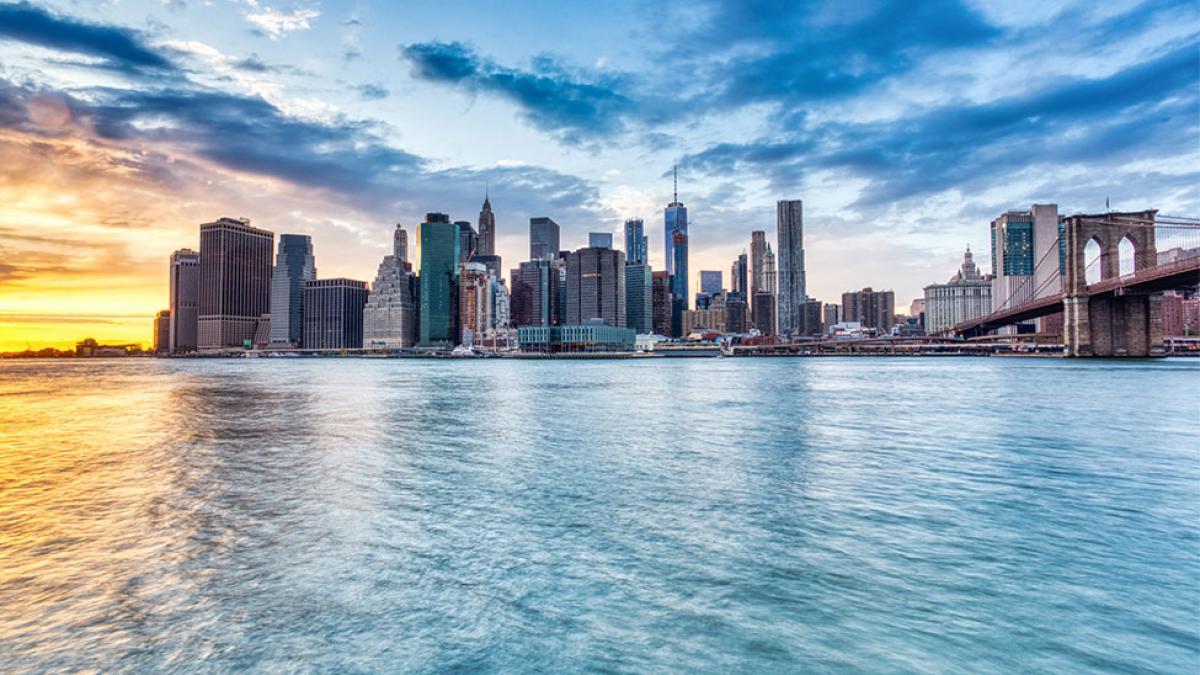
New York City Travel Guide: Best Places to Visit, Food & Travel Tips
Introduction
New York City is one of the world’s most recognisable destinations. Famous for its towering skyscrapers, busy streets, cultural diversity, world-class museums, shopping districts, and entertainment, the city offers an experience unlike anywhere else.
Located in the northeastern United States, New York City consists of five boroughs: Manhattan, Brooklyn, Queens, the Bronx, and Staten Island. Each has its own identity, communities, attractions, and local experiences.
For many visitors, the first impression of New York comes from its famous skyline, yellow taxis, enormous billboards, and the constant movement of people. However, the city has much more to offer than the images seen in films and television.
You can walk through peaceful areas of Central Park, explore historic neighbourhoods, visit internationally recognised museums, enjoy food from around the world, or watch a Broadway performance. Every part of the city offers something different.
New York is also an excellent destination for people interested in art, architecture, fashion, business, sports, and entertainment. Its diversity means that visitors can discover cultures and cuisines from many different parts of the world without leaving the city.
This guide covers the best attractions, neighbourhoods, food experiences, transport options, and practical travel tips to help you plan your New York City adventure.
What Makes New York City Special?
New York City’s greatest strength is its diversity. People from different backgrounds, cultures, and countries have shaped the city’s identity over generations.
This diversity is visible in its neighbourhoods, languages, restaurants, festivals, architecture, and everyday life.
The city is also an international centre for business, finance, media, fashion, art, and entertainment. Manhattan’s skyline represents this global influence, with famous buildings and commercial districts that have become symbols of modern urban life.
Another defining feature is its energy. New York offers something to do at almost every hour, from early-morning coffee shops and busy business districts to evening performances and late-night restaurants.
Despite its fast pace, the city also has peaceful spaces. Central Park, waterfront promenades, gardens, and smaller neighbourhood parks offer opportunities to slow down.
For travellers, New York is a destination where iconic attractions and everyday local experiences can be enjoyed together.
Best Places to Visit in New York City
1. Times Square
Times Square is one of the most famous public spaces in New York City.
Located in Midtown Manhattan, it is recognised for its enormous digital billboards, bright advertisements, theatres, shops, and constant crowds.
The atmosphere becomes especially impressive after sunset when the surrounding buildings are illuminated.
Times Square is also close to Broadway theatres, restaurants, and major shopping areas, making it a convenient starting point for exploring Manhattan.
Although it is one of the city’s busiest tourist areas, visiting once is worthwhile, especially if you want to experience the energy that makes New York internationally famous.
Keep your belongings secure, be cautious around costumed street performers requesting payment for photographs, and avoid accepting services without agreeing on the price first.
2. Central Park
Central Park is a large green space in the middle of Manhattan and one of the city’s most loved public areas.
Designed as a place for recreation and relaxation, it offers walking paths, lakes, gardens, bridges, open lawns, and recreational facilities.
Visitors can explore famous locations such as Bethesda Terrace, Bow Bridge, Strawberry Fields, and the Central Park Reservoir.
The park changes throughout the year. Spring brings fresh greenery and flowers, summer offers shaded walking routes, autumn creates colourful landscapes, and winter can transform the park into a peaceful seasonal setting.
You can explore on foot, rent a bicycle, enjoy a picnic, or simply relax while observing everyday New York life.
3. Statue of Liberty
The Statue of Liberty is one of the most recognisable symbols of the United States.
Located on Liberty Island in New York Harbor, the statue represents freedom and has welcomed generations of visitors arriving in America.
The monument was a gift from France and was officially dedicated in 1886.
Visitors can reach Liberty Island through authorised ferry services, which generally also provide access to nearby Ellis Island.
Ellis Island is historically important because it served as an immigration inspection station for millions of people arriving in the United States.
If you plan to visit the statue’s pedestal or crown, check ticket availability and access requirements well in advance.
4. Empire State Building
The Empire State Building is one of New York’s most famous skyscrapers.
Completed in 1931, it became an important symbol of the city’s architectural ambition and development.
Its observation decks provide impressive views across Manhattan and the surrounding areas.
The building is particularly attractive after dark, when its illuminated upper floors become part of the city’s skyline.
Visitors can learn about its history through exhibitions before reaching the observation areas.
For travellers interested in architecture and panoramic photography, the Empire State Building is a major attraction.
5. Brooklyn Bridge
The Brooklyn Bridge connects Manhattan and Brooklyn across the East River.
Completed in 1883, it is one of the most historic bridges in the United States and an important example of nineteenth-century engineering.
Its pedestrian walkway offers beautiful views of Manhattan’s skyline, the river, and the surrounding waterfront.
Walking across the bridge is a popular experience, especially in the morning or around sunset.
The route can become crowded, so stay within the designated pedestrian area and be aware of cyclists using the bridge.
After crossing, visitors can explore Brooklyn’s DUMBO neighbourhood and Brooklyn Bridge Park.
6. One World Trade Center and 9/11 Memorial & Museum
The World Trade Center area is an important place to understand a significant chapter in modern American history.
One World Trade Center, also known as the Freedom Tower, stands as a major architectural landmark in Lower Manhattan.
Nearby, the 9/11 Memorial features two large reflecting pools located at the footprints of the original World Trade Center towers.
The 9/11 Memorial Museum documents the events of September 11, 2001, and their human and historical impact.
Visitors should approach this site with respect. It is a memorial and educational space, not simply another sightseeing attraction.
7. The Metropolitan Museum of Art
The Metropolitan Museum of Art, commonly known as The Met, is one of the world’s most important art museums.
Its collection covers thousands of years of human creativity, including ancient Egyptian objects, European paintings, sculptures, Asian art, and historical artefacts.
The museum is so large that exploring every section in one visit is difficult.
It is best to choose a few galleries based on your interests and allow enough time to enjoy them.
The Met is located beside Central Park and can easily be combined with a visit to the park.
8. Rockefeller Center
Rockefeller Center is a famous complex in Midtown Manhattan known for its architecture, public spaces, shops, restaurants, and entertainment.
One of its main attractions is the Top of the Rock observation deck, which provides impressive views of Manhattan, including the Empire State Building.
During winter, the complex becomes particularly famous for its large Christmas tree and ice-skating rink.
However, it remains worth visiting throughout the year because of its location and architectural significance.
9. Grand Central Terminal
Grand Central Terminal is much more than a transport station.
Its impressive main concourse features a large vaulted ceiling decorated with a painted astronomical design, elegant windows, and a famous four-sided clock.
The building is an important example of historic architecture and remains an active transport hub.
Visitors can explore the main public areas, admire the interior, and discover shops and restaurants inside the terminal.
It is particularly convenient to visit while exploring Midtown Manhattan.
Best Neighbourhoods to Explore
New York City’s neighbourhoods are a major part of its identity. Each offers a different atmosphere, architecture, and cultural experience.
Manhattan
Manhattan is the city’s most famous borough and home to many of its major attractions.
It includes Times Square, Central Park, Wall Street, Broadway, the Empire State Building, and several important museums.
Different parts of Manhattan offer different experiences. Midtown is known for skyscrapers and shopping, while Lower Manhattan has historic streets and business districts.
For first-time visitors, Manhattan is often the most convenient base for sightseeing.
Brooklyn
Brooklyn has become one of New York’s most popular areas for visitors interested in local culture, food, art, and waterfront views.
Neighbourhoods such as DUMBO, Williamsburg, and Brooklyn Heights offer independent shops, restaurants, cafés, and historic architecture.
Brooklyn Bridge Park is especially attractive for its views of Manhattan across the river.
The borough is also known for its creative communities and diverse food scene.
Queens
Queens is one of the most culturally diverse parts of New York City.
Its neighbourhoods offer food, cultural attractions, parks, and communities representing many parts of the world.
Astoria is known for its restaurants and cultural atmosphere, while Flushing is particularly famous for its Asian food scene and shopping.
Travellers who want to explore New York beyond the most famous tourist areas should consider spending time in Queens.
The Bronx
The Bronx is known internationally as the birthplace of hip-hop and home to Yankee Stadium.
It also contains the New York Botanical Garden and the Bronx Zoo, making it an interesting borough for families and culture enthusiasts.
Visitors can discover local food, music history, sports culture, and neighbourhood life.
Staten Island
Staten Island offers a quieter experience compared with Manhattan’s busiest areas.
One popular way to see it is by taking the Staten Island Ferry, which provides views of the Statue of Liberty and New York Harbor.
The borough also has parks, waterfront areas, and residential neighbourhoods.
It can be a pleasant option for travellers who want to experience a different side of the city.
Experience New York City’s Culture
New York is a city where culture is part of everyday life.
Enjoy a Broadway Show
Broadway is internationally recognised for its theatre productions, musicals, and live performances.
Visitors can choose from long-running productions, new shows, dramatic performances, and family-friendly entertainment.
Seeing a Broadway performance is one of the classic New York experiences.
Ticket prices and availability vary. Booking in advance is useful for popular productions, while authorised ticket services may offer other options depending on availability.
Explore the City’s Museums
New York has an impressive collection of museums covering art, history, science, design, and culture.
In addition to The Met, visitors can explore the Museum of Modern Art (MoMA), the American Museum of Natural History, and the Solomon R. Guggenheim Museum.
Each offers a different perspective on human creativity, scientific discovery, or world history.
Choose museums according to your interests rather than trying to visit too many in a short trip.
Discover Street Art and Music
New York has played an important role in the development of several music and artistic movements, particularly hip-hop.
Neighbourhoods across the city feature murals, independent galleries, live music venues, and cultural events.
Walking through areas such as Brooklyn can provide opportunities to discover creative spaces beyond traditional tourist attractions.
Experience the City’s Sporting Culture
Sports are an important part of New York life.
The city has a strong connection with baseball, basketball, American football, and ice hockey.
Visitors may be able to attend a game depending on the season and team schedule.
Even if you are not a regular sports fan, experiencing the atmosphere of a live American sporting event can be an exciting cultural experience.
Food You Should Try in New York City
New York’s food culture reflects its international population. The city offers everything from inexpensive street food to internationally recognised restaurants.
Here are some popular foods to try.
New York-Style Pizza: Famous for its large, thin, foldable slices, often topped with tomato sauce and mozzarella cheese. It is one of the city’s most recognisable foods.
Bagels: Dense, chewy bread rolls commonly served with cream cheese, smoked salmon, or other fillings. Bagels are a popular breakfast choice.
New York Cheesecake: A rich, creamy dessert traditionally made with cream cheese and a biscuit-style base.
Pastrami Sandwich: A classic deli sandwich filled with seasoned, smoked, and cured beef, often served with mustard on rye bread.
Hot Dogs: A familiar street-food option sold from carts and casual food establishments around the city.
Pastrami and Deli Specialities: Traditional New York delis are known for generous sandwiches and classic Jewish-American food traditions.
Dim Sum: Particularly popular in neighbourhoods such as Chinatown and Flushing, offering dumplings, buns, and other small dishes.
International Street Food: From Mexican tacos and Middle Eastern falafel to Korean dishes and Caribbean specialities, New York offers an enormous variety of cuisines.
Explore New York’s Food Markets
Food markets are excellent places to discover the city’s diverse food culture.
Chelsea Market is a popular indoor destination featuring food vendors, restaurants, and speciality shops.
Smorgasburg, when operating seasonally, brings together food vendors offering creative dishes and international flavours.
You can also explore neighbourhood bakeries, traditional delis, and independent restaurants for a more local experience.
Shopping in New York City
New York is one of the world’s major shopping destinations, offering luxury brands, department stores, independent designers, and affordable fashion.
Fifth Avenue: Famous for luxury shopping, flagship stores, and internationally recognised brands.
SoHo: Known for fashionable boutiques, art galleries, designer shops, and stylish streets.
Macy’s Herald Square: A historic department store offering clothing, accessories, beauty products, and home goods.
Chelsea Market: A good place to explore speciality food products, gifts, and local items.
Brooklyn Flea: A market known for vintage products, handmade items, antiques, and independent sellers when operating.
Chinatown: Offers a variety of shops, markets, and affordable products.
If you are visiting from another country, remember that sales tax may be added at checkout. Displayed prices do not always include the final amount you will pay.
Getting Around New York City
New York has an extensive public transport system, and using it is usually more practical than relying on taxis.
Subway: The subway is one of the fastest ways to travel between major parts of the city. It operates throughout the day and night, although service patterns can vary.
Buses: City buses are useful for shorter journeys and areas not directly served by the subway.
Walking: Manhattan is particularly suitable for walking, and many famous attractions are connected by pedestrian routes.
Taxis: The city’s famous yellow taxis are widely available. Check that the meter is running and confirm payment details.
Ride-Hailing Apps: App-based transport services offer another option, especially when travelling with luggage or during late hours.
Ferries: Ferry services connect selected waterfront locations and provide attractive views of the city.
Before travelling, check current subway service information and ticket options. Contactless payment and other fare arrangements may be available depending on the transport system’s current rules.
Best Time to Visit New York City
New York experiences four distinct seasons, each offering a different atmosphere.
April to June — Spring
Spring is one of the most enjoyable times to explore New York.
Temperatures gradually become warmer, flowers appear in city parks, and outdoor cafés and public spaces become more active.
It is a good season for walking through Central Park, exploring neighbourhoods, and visiting outdoor attractions.
July to August — Summer
Summer brings warm temperatures, outdoor festivals, rooftop activities, and busy tourist areas.
It can become hot and humid, especially during July and August.
Visitors should stay hydrated, use sun protection, and plan breaks during the hottest hours.
September to November — Autumn
Autumn is one of the most popular seasons for visiting New York.
The weather is often comfortable, and Central Park becomes particularly beautiful as its leaves change colour.
The city also hosts cultural events and seasonal activities throughout this period.
December to March — Winter
Winter transforms New York into a different kind of destination.
December is particularly famous for holiday decorations, illuminated shop windows, Christmas markets, and ice skating.
January and February can be very cold, with the possibility of snow and icy conditions.
Visitors should pack warm clothing, comfortable winter footwear, and appropriate layers.
A Practical 3-Day New York City Itinerary
Three days are enough to experience some of New York’s most famous attractions, although the city offers far more to explore.
Day 1: Midtown Manhattan and Iconic Landmarks
Morning: Start at Times Square and explore the surrounding streets. Continue towards Rockefeller Center.
Afternoon: Visit the Empire State Building or another observation deck. Explore Grand Central Terminal and nearby shopping areas.
Evening: Enjoy dinner in Midtown and consider attending a Broadway show.
Day 2: Central Park and Upper Manhattan
Morning: Spend time exploring Central Park, including Bethesda Terrace and Bow Bridge.
Afternoon: Visit The Metropolitan Museum of Art or another museum that interests you.
Evening: Enjoy dinner in the Upper West Side or another nearby neighbourhood.
Day 3: Lower Manhattan and Brooklyn
Morning: Visit the 9/11 Memorial and explore the World Trade Center area.
Afternoon: Walk towards the waterfront and enjoy views of the Statue of Liberty. If you have booked a ferry, visit Liberty Island and Ellis Island.
Evening: Walk across the Brooklyn Bridge and explore DUMBO. Finish the day with dinner overlooking the Manhattan skyline.
This itinerary can be adjusted depending on ticket availability, opening hours, weather, and your interests.
Where to Stay in New York City
Choosing the right area can make a significant difference to your trip.
Midtown Manhattan: A convenient choice for first-time visitors who want to stay near Times Square, Broadway, shopping, and major transport connections.
Upper West Side: Suitable for travellers who prefer a more residential atmosphere near Central Park and cultural attractions.
Lower Manhattan: A good choice for visitors interested in historic sites, business districts, and waterfront access.
Chelsea: Popular for galleries, restaurants, shopping, and access to several central neighbourhoods.
Brooklyn: Areas such as Brooklyn Heights and DUMBO can offer attractive surroundings and excellent skyline views, although accommodation prices vary.
Long Island City, Queens: An alternative for visitors seeking accommodation outside Manhattan with convenient subway connections. Check the exact location and travel time before booking.
Before choosing a hotel, compare transport access, neighbourhood safety, recent guest reviews, and the total price including taxes and fees.
Practical Travel Tips for New York City
A little planning can make your trip more comfortable.
- Wear comfortable shoes: New York involves a lot of walking, even when using public transport.
- Plan your days by neighbourhood: Group nearby attractions together to avoid wasting time travelling across the city.
- Watch your belongings: Keep valuables secure in crowded areas and on public transport.
- Understand tipping customs: Tipping is common in restaurants and several service industries. Check whether a service charge has already been included.
- Check attraction tickets: Popular observation decks, museums, and ferry experiences may require advance reservations.
- Prepare for weather changes: New York winters can be very cold, while summers can be humid.
- Use public transport: The subway and buses are often more efficient than driving through busy streets.
- Check restaurant prices: Menus may not include taxes or tips in the displayed prices.
- Keep emergency information available: The emergency number in the United States is 911.
- Check entry requirements: Visa and travel authorisation requirements depend on your nationality. Confirm the latest rules through official US government sources before travelling.
Responsible Travel in New York City
Responsible tourism helps protect the city’s neighbourhoods, public spaces, and cultural attractions.
Support local restaurants, independent shops, markets, and cultural businesses. Exploring neighbourhoods beyond the busiest tourist districts can also help visitors discover a wider range of local experiences.
Respect residential communities, avoid excessive noise, and follow rules in parks, museums, memorials, and public transport areas.
Use public transport or walk where practical to reduce unnecessary traffic. Dispose of rubbish properly and respect public spaces.
When visiting the 9/11 Memorial or other memorial sites, remember their historical and emotional importance. Behave respectfully and avoid treating places of remembrance as ordinary entertainment locations.
Final Thoughts
New York City is a destination that offers something for almost every traveller.
Its iconic skyline, historic bridges, famous museums, world-class entertainment, diverse neighbourhoods, and extraordinary food culture make it one of the most exciting cities to explore.
You can experience the energy of Times Square, enjoy the peaceful surroundings of Central Park, learn about history at Ellis Island, discover creative neighbourhoods in Brooklyn, or simply enjoy a slice of New York pizza while watching the city move around you.
The city can be expensive, crowded, and fast-paced, but careful planning helps you experience its best features without feeling overwhelmed.
Whether you are visiting for the first time or returning to discover more neighbourhoods, New York City offers endless opportunities for memorable experiences. It is a destination where every street has a different story, and every visit can reveal something new.