Marrakech Travel Guide: Best Places to Visit, Markets, Food & Travel Tips
Introduction
Marrakech is one of Morocco’s most fascinating destinations, a city where centuries-old traditions meet lively markets, beautiful architecture, and the energy of modern life. Known as the Red City because of the distinctive reddish colour of many of its buildings and walls, Marrakech offers an experience that feels different from almost anywhere else.
Located near the foothills of the Atlas Mountains, the city is famous for its historic Medina, traditional Moroccan houses, colourful souks, gardens, and impressive palaces. Its streets are filled with the sounds of local vendors, the aroma of spices, traditional music, and the everyday activity of residents and visitors.
One of the best ways to experience Marrakech is simply to explore its streets. You might discover a small shop selling handmade leather goods, find a peaceful courtyard behind an unassuming doorway, or enjoy traditional mint tea on a rooftop overlooking the old city.
Marrakech is also an excellent destination for travellers interested in Moroccan food, craftsmanship, architecture, and cultural traditions. Whether you are planning a short city break or using Marrakech as the starting point for a wider journey through Morocco, the city offers plenty to discover.
This guide covers the best places to visit, neighbourhoods to explore, traditional food, shopping experiences, transport options, and practical advice to help you plan your trip.
What Makes Marrakech Special?
Marrakech has a strong cultural identity shaped by Berber, Arab, African, and Andalusian influences. Its location made it an important centre for trade and cultural exchange throughout Moroccan history.
The city’s architecture is one of its most recognisable features. Traditional buildings often feature decorative tiles, carved wooden doors, geometric patterns, peaceful courtyards, and intricate plasterwork.
The historic Medina is at the heart of the Marrakech experience. Its narrow streets contain markets, workshops, historic buildings, restaurants, and traditional houses known as riads.
Another defining feature is the city’s relationship with craftsmanship. Local artisans continue to produce pottery, leather goods, carpets, metalwork, textiles, and decorative objects using traditional techniques.
Marrakech also offers a striking contrast between busy public spaces and peaceful private courtyards. A crowded market street might lead to a quiet garden or a beautiful riad where the atmosphere feels completely different.
For travellers interested in culture, architecture, food, and photography, Marrakech offers an unforgettable combination.
Best Places to Visit in Marrakech
1. Jemaa el-Fnaa
Jemaa el-Fnaa is the most famous public square in Marrakech and one of the city’s most recognisable landmarks.
Located near the entrance to the historic Medina, the square is a lively meeting point where locals, visitors, performers, food vendors, and traders come together.
During the day, you can find juice stalls, traditional products, and street activity. As evening approaches, food stalls become more prominent, and the square develops a different atmosphere with music, performances, and the smell of freshly prepared meals.
The surrounding rooftops provide excellent viewpoints. Sitting at a rooftop café with a traditional mint tea allows you to observe the activity from above.
Jemaa el-Fnaa is an excellent place to begin exploring Marrakech, but keep your belongings secure and agree on any prices before accepting services or purchases.
2. Bahia Palace
Bahia Palace is one of Marrakech’s most beautiful historical attractions.
Built during the nineteenth century, the palace was designed to demonstrate wealth, craftsmanship, and architectural elegance.
Its rooms and courtyards feature decorative ceilings, carved wooden details, colourful tiles, painted surfaces, and carefully designed gardens.
The palace is particularly interesting because of its use of traditional Moroccan architectural techniques. Rather than relying on enormous exterior structures, much of its beauty is found in the detailed interiors and peaceful courtyards.
Visitors interested in history and design should allow enough time to explore the different sections of the complex.
3. Koutoubia Mosque
The Koutoubia Mosque is one of Marrakech’s most important religious and architectural landmarks.
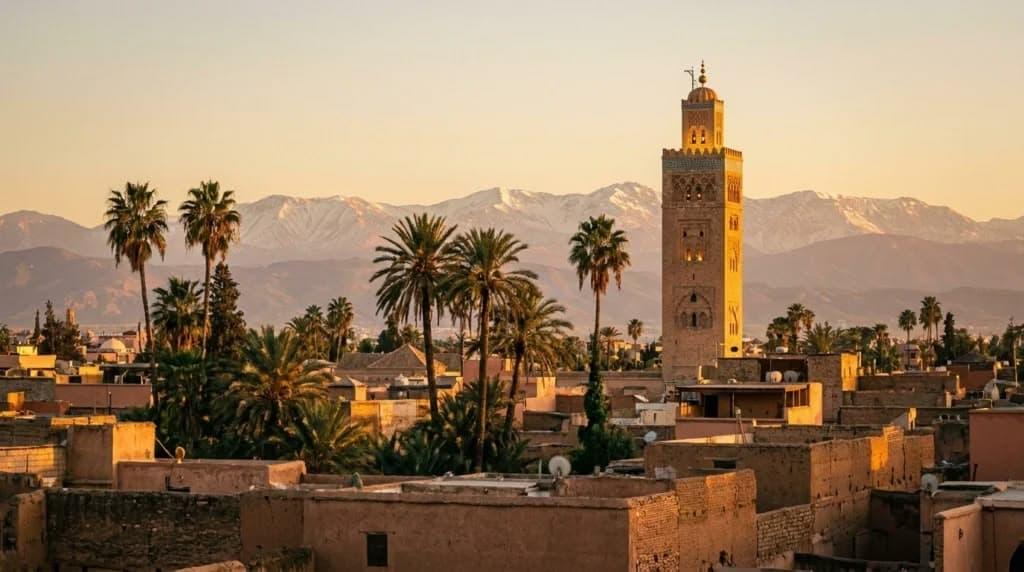
Its tall minaret can be seen from different parts of the city and has become a defining feature of the Marrakech skyline.
The mosque dates back to the twelfth century and is an important example of Almohad architecture.
Although access to the prayer areas is generally restricted to Muslims, visitors can admire the exterior architecture and surrounding gardens respectfully.
The area around the mosque is especially attractive during the late afternoon when the changing light highlights its distinctive structure.
4. Saadian Tombs
The Saadian Tombs offer an insight into the history of Morocco’s Saadian dynasty.
The site contains royal burial chambers decorated with intricate carvings, colourful tiles, and detailed architectural features.
One of the most impressive spaces is the Chamber of the Twelve Columns, known for its beautiful marble columns and decorative ceiling.
The tombs are relatively compact compared with some of Marrakech’s larger attractions, but their historical importance and craftsmanship make them worth visiting.
5. Ben Youssef Madrasa
Ben Youssef Madrasa is one of the finest examples of traditional Moroccan Islamic architecture.
Historically, it served as an Islamic college where students studied religious subjects and other areas of knowledge.
The building is famous for its central courtyard, decorative fountains, carved cedarwood, geometric tilework, and detailed plaster decoration.
Its design demonstrates the precision and creativity of traditional Moroccan artisans.
Visitors interested in architecture, history, and photography will find this site particularly rewarding.
6. Majorelle Garden
Majorelle Garden is one of Marrakech’s most recognisable green spaces.
Originally created by French painter Jacques Majorelle, the garden is known for its striking blue structures, exotic plants, water features, and carefully arranged pathways.
The contrast between the vivid blue architecture and the surrounding greenery makes it a popular photography destination.
The garden was later associated with fashion designer Yves Saint Laurent and Pierre Bergé, and it now forms part of Marrakech’s wider cultural attractions.
Because it is popular with visitors, booking tickets in advance is recommended. Check official visitor information for current admission arrangements.
7. Yves Saint Laurent Museum
Located near Majorelle Garden, the Yves Saint Laurent Museum celebrates the work and creative legacy of the famous fashion designer.
The museum features exhibitions related to fashion, design, photography, and the influence of Marrakech on Saint Laurent’s work.
Its modern architecture contrasts with many of the city’s historic buildings, making it an interesting stop for visitors who appreciate art and fashion.
It can easily be combined with a visit to Majorelle Garden.
8. El Badi Palace
El Badi Palace is a historic complex that offers a glimpse into Marrakech’s royal past.
Although much of the original palace decoration has disappeared, its enormous courtyards, remaining walls, and open spaces still communicate the scale of the original structure.
Visitors can explore the ruins, learn about the palace’s history, and enjoy views across the surrounding area.
The site is particularly interesting for travellers who enjoy historical architecture and archaeological remains.
Best Neighbourhoods to Explore
Marrakech has several distinct areas, each offering a different experience.
The Medina
The Medina is the historic heart of Marrakech and the area most visitors associate with the city.
Its narrow streets are filled with traditional markets, small workshops, historic mosques, riads, and local restaurants.
Exploring the Medina can feel like stepping into another period of history. However, its streets can be confusing, so using an offline map or hiring a reputable local guide can be helpful.
Some lanes are too narrow for regular vehicles, which means walking is often the easiest way to get around.
Mellah — The Historic Jewish Quarter
Mellah is the historic Jewish quarter of Marrakech.
It has a distinctive architectural character and a long history connected with the city’s Jewish community.
Visitors can explore its streets, markets, and nearby historical sites while learning about the diverse communities that have shaped Marrakech.
The area also provides access to other attractions, including Bahia Palace.
Gueliz
Gueliz represents a more modern side of Marrakech.
Developed during the French protectorate period, the neighbourhood features wider streets, contemporary cafés, restaurants, boutiques, and shopping areas.
It is a good place for travellers who want a break from the busy atmosphere of the Medina.
Gueliz also offers a variety of accommodation options and modern facilities.
Hivernage
Hivernage is known for its hotels, restaurants, gardens, and more upscale atmosphere.
The area is popular with visitors looking for comfortable accommodation and access to modern dining and entertainment.
Its wider streets and hotel surroundings offer a contrast to the narrow lanes of the old city.
Palmeraie
Located outside the central urban area, Palmeraie is known for its palm groves, resorts, and larger properties.
It can be an attractive choice for travellers who prefer a quieter stay with resort-style facilities.
However, it is farther from many central attractions, so consider transport costs and journey times before booking accommodation here.
Experience Moroccan Culture
Marrakech is an excellent place to experience Moroccan traditions, craftsmanship, and everyday hospitality.
Visit a Traditional Riad
A riad is a traditional Moroccan house or palace built around an interior courtyard or garden.
Many historic riads have been converted into guesthouses and boutique hotels.
They often feature decorative tiles, carved wooden doors, fountains, rooftop terraces, and peaceful courtyards.
Staying in a riad can provide a more traditional accommodation experience than staying in a large international hotel.
Enjoy Moroccan Mint Tea
Moroccan mint tea is an important part of the country’s hospitality culture.
Usually prepared with green tea, fresh mint, and sugar, it is often served in small decorative glasses.
Tea is commonly shared with guests and visitors, making it more than just a drink. It represents hospitality and social connection.
Enjoying mint tea on a rooftop overlooking the Medina is one of the simple experiences that can make a Marrakech visit memorable.
Discover Traditional Hammams
A traditional Moroccan hammam is a bathing and cleansing experience based on longstanding local customs.
It generally involves warm steam, washing, and exfoliation using traditional products such as black soap.
Some hammams are simple neighbourhood establishments, while others offer more luxurious spa-style experiences.
If you want to try one, choose a reputable place, understand the services and prices beforehand, and ask about the process if it is your first visit.
Explore Moroccan Craftsmanship
Marrakech has a long tradition of handmade crafts.
Local workshops produce leather goods, pottery, carpets, metal lamps, woodwork, and decorative tiles.
Some workshops allow visitors to observe artisans working with traditional materials and techniques.
Buying directly from reputable local makers can also support the city’s craft traditions.
Food You Should Try in Marrakech
Moroccan cuisine is one of the highlights of visiting Marrakech. It combines aromatic spices, fresh ingredients, slow cooking, and influences from different regions.
Here are some dishes worth trying.
Tagine: A traditional slow-cooked dish prepared in a distinctive clay cooking vessel. Popular versions include chicken with preserved lemon and olives, lamb with prunes, and vegetable tagines.
Couscous: A well-known Moroccan dish made from steamed semolina grains, often served with vegetables, meat, and a flavourful broth.
Pastilla: A traditional pastry that combines crisp layers with a sweet and savoury filling. Some versions contain chicken or pigeon, almonds, and aromatic spices.
Harira: A comforting soup often prepared with tomatoes, lentils, chickpeas, herbs, and spices. It is particularly associated with Ramadan.
Mechoui: Slow-roasted lamb, traditionally prepared until the meat becomes tender and flavourful.
Zaalouk: A Moroccan salad made primarily with cooked aubergine and tomatoes, seasoned with garlic, olive oil, and spices.
Moroccan Mint Tea: A refreshing and sweet tea commonly served after meals or during social visits.
Chebakia: A traditional Moroccan sweet made from shaped dough, fried and coated with honey and sesame seeds.
Explore Marrakech’s Food Markets
Jemaa el-Fnaa is one of the city’s most famous places for evening food experiences.
You can find traditional Moroccan dishes, grilled meats, soups, bread, and fresh juices.
For a more relaxed meal, explore restaurants in the Medina or Gueliz.
Choose food establishments with clean preparation areas and good customer activity. If you have food allergies or dietary restrictions, communicate them clearly before ordering.
Shopping in Marrakech
Shopping in Marrakech is an experience of its own.
The city’s souks are traditional marketplaces where different sections often specialise in particular products.
You can find leather bags, handmade shoes, colourful fabrics, carpets, pottery, lanterns, spices, and traditional clothing.
Souk Semmarine: One of the main shopping streets in the Medina, offering a wide range of traditional products.
Souk des Teinturiers: Known for its colourful dyed fabrics and traditional textile atmosphere.
Souk Haddadine: Traditionally associated with metalwork and blacksmithing.
Ensemble Artisanal: A useful place to explore Moroccan handicrafts in a more organised shopping environment.
Gueliz boutiques: Suitable for visitors looking for modern fashion, home decorations, and contemporary Moroccan products.
Bargaining in the Souks
Bargaining is common in many traditional markets, although not every shop follows the same pricing approach.
If you are interested in an item, ask the price politely and decide what you are comfortable paying.
Compare similar products before purchasing, especially when buying carpets, leather goods, or decorative items.
Avoid feeling pressured into buying something simply because a shopkeeper has spent time showing it to you.
Getting Around Marrakech
Marrakech is relatively easy to explore once you understand its main transport options.
Walking: The Medina and many historic attractions are best explored on foot. Wear comfortable shoes because streets can be uneven and distances may be longer than they appear.
Petit Taxis: Small taxis are commonly used for journeys around the city. Confirm that the meter is being used where applicable, or agree on the fare before starting.
Grand Taxis: Larger shared or private taxis are often used for longer journeys and travel beyond the central area.
Buses: Public buses connect different parts of Marrakech and can be an affordable transport option.
Private Transfers: Pre-arranged transfers can be useful for airport journeys, day trips, and travellers carrying luggage.
Horse-Drawn Carriages: Traditional carriages can be found near some tourist areas. If you choose this experience, agree on the price and route beforehand and consider the welfare of the animals.
For exploring the Medina, walking is usually the most practical option. For destinations farther away, taxis or organised transport can save time.
Best Time to Visit Marrakech
Marrakech has a semi-arid climate, with hot summers, relatively mild winters, and limited rainfall.
Choosing the right season can make a major difference to your experience.
March to May — Spring
Spring is one of the best periods to visit Marrakech.
Temperatures are generally comfortable, gardens become attractive, and outdoor sightseeing is easier than during the hottest months.
It is a good season for exploring the Medina, visiting palaces, and taking excursions towards the Atlas Mountains.
June to August — Summer
Summer can be extremely hot in Marrakech, particularly during July and August.
Walking through the Medina during the middle of the day can become uncomfortable.
If you visit during summer, plan sightseeing for early morning or late afternoon, drink plenty of water, and choose accommodation with suitable cooling facilities.
September to November — Autumn
Autumn is another excellent time to explore Marrakech.
Temperatures gradually become more comfortable, making it easier to enjoy outdoor attractions and walking tours.
The period is particularly suitable for visitors who want to combine city sightseeing with day trips.
December to February — Winter
Winter days are often mild and pleasant, but evenings can become surprisingly cold.
Visitors should bring layers, especially if they plan to stay in a traditional riad or travel outside the city.
Winter can be a good choice for exploring the historic centre without the intense summer heat.
A Practical 3-Day Marrakech Itinerary
Three days provide enough time to explore the main attractions, experience traditional markets, and enjoy Moroccan food.
Day 1: Historic Marrakech
Morning: Begin with Bahia Palace and explore its beautiful courtyards and decorative interiors.
Afternoon: Visit Ben Youssef Madrasa and explore the surrounding streets of the Medina.
Evening: Head to Jemaa el-Fnaa and enjoy the changing atmosphere as the square becomes busy with food stalls and performers. Finish the day with dinner at a rooftop restaurant.
Day 2: Gardens and Traditional Experiences
Morning: Visit Majorelle Garden and the Yves Saint Laurent Museum. Check ticket availability and entry arrangements in advance.
Afternoon: Return towards the central area and explore the souks. Discover traditional leather goods, textiles, pottery, and local crafts.
Evening: Enjoy a Moroccan hammam experience or a traditional dinner featuring tagine and mint tea.
Day 3: Palaces and Local Life
Morning: Visit the Saadian Tombs and explore El Badi Palace.
Afternoon: Discover the Mellah neighbourhood or enjoy a relaxed walk through Gueliz.
Evening: Enjoy a final Moroccan meal and spend some time at a rooftop café overlooking the city.
If you have additional time, consider a guided excursion to the Atlas Mountains or a nearby desert landscape. Choose a reputable operator and check journey distances carefully before booking.
Where to Stay in Marrakech
Choosing the right area depends on the type of experience you want.
Medina: Best for travellers who want traditional Moroccan surroundings, historic attractions, souks, and riad accommodation.
Gueliz: Suitable for visitors who prefer modern hotels, cafés, restaurants, and wider streets.
Hivernage: A good choice for luxury accommodation, upscale restaurants, and a quieter hotel environment.
Palmeraie: Ideal for travellers interested in resort-style stays, gardens, and larger properties outside the city centre.
Mellah: Convenient for exploring the southern part of the historic Medina and nearby attractions.
Before booking, check whether your accommodation is accessible by vehicle. Some riads are located deep inside pedestrian streets, meaning you may need to walk the final part of your journey with your luggage.
Practical Travel Tips for Marrakech
A few simple precautions can make your visit more comfortable.
- Dress respectfully: Lightweight clothing that covers the shoulders and knees can be a practical choice, particularly when visiting religious or traditional areas.
- Carry cash: Small shops, markets, and some local services may prefer cash.
- Agree on prices: Confirm prices for taxis, guided services, and other paid activities before starting.
- Use trusted guides: If you want to explore the Medina with a guide, choose a reputable licensed provider.
- Stay aware in busy areas: Keep valuables secure in crowded markets and public squares.
- Carry drinking water: Marrakech can become very hot, especially during summer.
- Check food hygiene: Choose busy food establishments with clean preparation practices.
- Ask before taking photographs: Be respectful when photographing people, performers, or private businesses, and confirm whether a fee applies.
- Plan your Medina routes: Streets can be confusing, so save your accommodation location and use a reliable offline map.
- Check travel requirements: Visa and entry rules depend on your nationality. Confirm current requirements through official Moroccan government or embassy sources before travelling.
Responsible Travel in Marrakech
Responsible travel helps preserve Marrakech’s cultural heritage and supports the communities that make the city special.
Support local artisans by purchasing authentic handmade products from reputable workshops and independent businesses.
Respect religious buildings, cultural traditions, and local residents. Ask permission before photographing people, particularly in busy public spaces.
When exploring the souks, bargain politely and treat shopkeepers with respect. Avoid purchasing products made from protected wildlife or other materials that may be illegal to trade.
Choose responsible tour operators for excursions and activities. If visiting natural areas outside Marrakech, avoid leaving rubbish behind and respect local communities.
Traditional riads, local restaurants, and neighbourhood businesses can provide meaningful experiences while helping support the city’s economy.
Final Thoughts
Marrakech is a destination filled with colour, history, craftsmanship, and unforgettable experiences.
From the lively atmosphere of Jemaa el-Fnaa to the detailed architecture of Bahia Palace and Ben Youssef Madrasa, the city offers countless opportunities to discover Moroccan culture.
Its traditional souks, peaceful riads, aromatic food, beautiful gardens, and welcoming hospitality create an experience that goes far beyond ordinary sightseeing.
Marrakech can be busy, unfamiliar, and sometimes overwhelming for first-time visitors, but taking time to explore its streets and understand its traditions makes the journey rewarding.
Whether you are visiting for a short break or beginning a wider adventure through Morocco, Marrakech is a city that deserves to be experienced slowly, with curiosity and an open mind.