Bangkok Travel Guide: Best Places to Visit, Food, Culture & Travel Tips
Bangkok’s greatest attraction is its contrast. Traditional wooden houses and historic temples exist alongside luxury hotels, shopping malls, and modern transport systems. The city has developed rapidly while maintaining many of its cultural traditions.
Buddhism plays an important role in everyday Thai life, and temples are an essential part of the city’s identity. Their colourful roofs, detailed decorations, golden statues, and peaceful courtyards provide a different atmosphere from the busy streets outside.
Food is another major part of Bangkok’s character. Small roadside restaurants, market stalls, food courts, and high-end dining establishments serve dishes influenced by different regions of Thailand. You can enjoy an affordable local meal or spend an evening exploring the city’s more sophisticated dining scene.
Bangkok is also known for its shopping. Traditional markets sell clothing, souvenirs, handicrafts, and local products, while modern malls offer international brands, entertainment, and restaurants.
The combination of history, culture, food, and modern city life makes Bangkok a destination worth exploring slowly rather than rushing through.
Best Places to Visit in Bangkok
1. The Grand Palace
The Grand Palace is one of Bangkok’s most important historical landmarks. Built in 1782, it served as the official residence of Thai kings for generations and remains a significant symbol of the country’s royal history.
The palace complex features beautifully decorated buildings, golden details, colourful roof tiles, and traditional Thai architectural designs. Walking through its grounds offers an opportunity to appreciate the craftsmanship and historical importance of the site.
Visitors should dress respectfully. Clothing that covers the shoulders and knees is generally required, and entry rules should be checked before visiting.
The Grand Palace is one of Bangkok’s busiest attractions, so arriving early can make the experience more comfortable.
2. Wat Phra Kaew — Temple of the Emerald Buddha
Located within the Grand Palace complex, Wat Phra Kaew is among Thailand’s most sacred Buddhist temples.
Its main attraction is the Emerald Buddha, a highly revered Buddha image carved from jade. The statue is relatively small compared with some other famous Buddha images, but its religious and cultural significance is enormous.
The temple complex is filled with detailed murals, decorated structures, guardian figures, and colourful architectural features. Visitors can learn about Thai religious traditions while appreciating the artistic details throughout the grounds.
Photography restrictions may apply in certain areas, so follow the signs and instructions provided by staff.
3. Wat Pho — Temple of the Reclining Buddha
Wat Pho is famous for its enormous Reclining Buddha statue, which measures approximately 46 metres in length.
Covered in gold leaf, the statue represents the Buddha entering the final stage of enlightenment. Its peaceful expression and impressive size make it one of Bangkok’s most memorable sights.
Wat Pho is also associated with traditional Thai massage and is considered an important centre for preserving traditional Thai knowledge.
After exploring the temple, visitors can learn about Thai massage traditions or enjoy a relaxing treatment from a qualified practitioner.
4. Wat Arun — Temple of Dawn
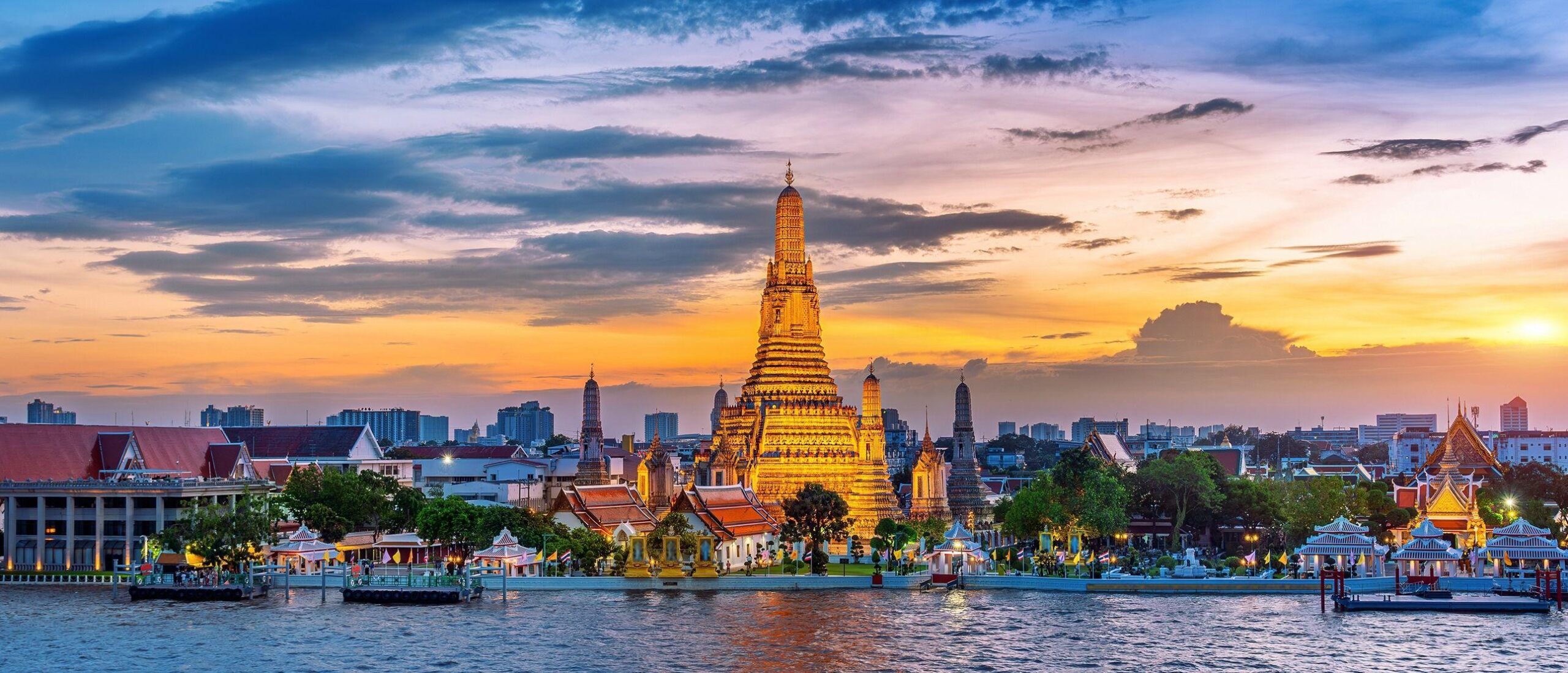
Wat Arun is one of Bangkok’s most recognisable landmarks. Situated beside the Chao Phraya River, this temple is particularly famous for its central tower, known as a prang.
Its exterior is decorated with colourful porcelain and ceramic pieces that create intricate patterns. The structure looks especially beautiful when sunlight reflects off its detailed surface.
Wat Arun is worth visiting during the day, but its riverside setting makes it particularly attractive around sunset.
A popular way to enjoy the view is to visit the opposite riverbank, where restaurants and riverside cafés offer beautiful views of the illuminated temple in the evening.
5. Chao Phraya River
The Chao Phraya River flows through Bangkok and has played an important role in the city’s development, trade, and daily life.
Taking a river boat is one of the most enjoyable ways to see the city from a different perspective. Along the river, you can spot temples, traditional houses, hotels, restaurants, and important historical buildings.
Public river boats are a practical transport option for reaching several riverside attractions. Tourist boats and private cruises are also available for visitors who want a more relaxed sightseeing experience.
An evening cruise can be especially memorable, with illuminated landmarks and reflections across the water.
6. Chatuchak Weekend Market
Chatuchak Weekend Market is one of Bangkok’s most famous shopping destinations. Its large collection of stalls offers everything from clothing and accessories to home decorations, handmade products, plants, artwork, and souvenirs.
The market is an excellent place to experience local shopping culture. You can spend hours walking through its different sections, discovering unusual products and sampling Thai snacks.
Because the market can become crowded and hot, comfortable shoes, drinking water, and a little patience are useful.
Although many visitors associate Chatuchak with weekends, some sections may operate on different schedules. Check current opening arrangements before planning your visit.
7. Jim Thompson House Museum
For travellers interested in Thai architecture, art, and history, the Jim Thompson House Museum offers a quieter experience.
The museum consists of traditional Thai-style houses surrounded by greenery. It was once the home of Jim Thompson, an American businessman associated with the revival of Thailand’s silk industry.
Inside, visitors can discover traditional furniture, Asian art, antiques, and objects collected from different parts of the region.
It provides an interesting break from Bangkok’s busy shopping areas and gives visitors a closer look at traditional Thai design.
8. ICONSIAM
ICONSIAM is a major riverside shopping and lifestyle destination that combines international retail brands, restaurants, entertainment, and impressive architectural design.
One of its attractions is its indoor market-style area, where visitors can discover Thai food and products inspired by traditional markets.
The shopping centre also offers attractive views of the Chao Phraya River. It is a good place to spend an afternoon or evening, particularly when you want an air-conditioned break from the outdoor heat.
Best Neighbourhoods to Explore
Bangkok is made up of different neighbourhoods, each offering a distinct atmosphere.
Old City — Rattanakosin
The Old City is the historical heart of Bangkok. It is home to the Grand Palace, Wat Phra Kaew, Wat Pho, and several other important cultural attractions.
Travellers interested in history and traditional architecture should consider spending time here. The area is especially convenient for sightseeing, although transport connections and accommodation options differ from those in the modern city centre.
Chinatown — Yaowarat
Bangkok’s Chinatown is famous for its energetic streets, traditional shops, colourful signs, and food stalls.
Yaowarat Road becomes especially lively in the evening, when visitors arrive to explore its street-food scene.
You can find noodle dishes, seafood, roasted meats, desserts, and many other Chinese-Thai food specialities. It is one of the best neighbourhoods for travellers who want to explore Bangkok through its food culture.
Sukhumvit
Sukhumvit is a popular area for international visitors. It offers hotels, restaurants, shopping centres, cafés, nightlife, and convenient access to the BTS Skytrain.
Different parts of Sukhumvit have different personalities. Some areas are known for shopping and dining, while others are quieter and more residential.
It is a practical accommodation choice for travellers who want access to modern facilities and public transport.
Silom and Sathorn
Silom and Sathorn combine business districts, restaurants, hotels, and nightlife. The area is well connected through the BTS and MRT systems.
Silom is particularly known for its evening atmosphere, while Sathorn offers a mixture of modern buildings and quieter streets.
These neighbourhoods can be suitable for visitors who want a central location with access to both business and leisure facilities.
Thonburi
Located across the river from much of central Bangkok, Thonburi offers a different side of the city.
It has traditional canals, riverside communities, historic temples, and quieter residential areas. Exploring this part of Bangkok can help visitors understand how waterways shaped the city’s history and daily life.
Experience Bangkok’s Culture
Bangkok is not just a destination for sightseeing. Some of its most rewarding experiences come from understanding local traditions and everyday life.
Visit Buddhist Temples Respectfully
Temples are important religious places, not simply tourist attractions. Visitors should dress modestly, remove their shoes where required, and behave quietly inside prayer areas.
Avoid touching religious objects without permission, and follow photography restrictions.
A little awareness of local customs can make temple visits more respectful and enjoyable.
Enjoy a Traditional Thai Massage
Traditional Thai massage is an important part of the country’s wellness culture. It often involves stretching, pressure techniques, and body movements designed to relieve tension.
Bangkok has many massage establishments, from simple neighbourhood shops to more luxurious spas.
Choose a reputable provider, understand the treatment and price beforehand, and communicate if the pressure is uncomfortable.
Explore the City’s Canals
Bangkok was historically known for its extensive canal network, which earned it the nickname “Venice of the East.”
Although modern roads and buildings have transformed much of the city, some canals still offer glimpses of traditional riverside life.
A guided canal boat trip can introduce visitors to local neighbourhoods, houses, temples, and waterways that are less familiar to tourists.
Discover Traditional Thai Performances
Thai dance and cultural performances offer another way to understand the country’s traditions.
Some cultural venues and special events feature traditional music, costumes, and storytelling. Availability varies, so check schedules before visiting.
Food You Should Try in Bangkok
Bangkok is one of the world’s most exciting cities for food lovers. Its cuisine combines sweet, sour, salty, spicy, and savoury flavours, often within a single dish.
Here are some popular foods to look for.
Pad Thai: One of Thailand’s best-known dishes, made with stir-fried rice noodles, eggs, tofu or another protein, peanuts, and a balanced sauce. Lime is often served on the side.
Tom Yum: A hot and sour soup traditionally prepared with ingredients such as lemongrass, lime leaves, galangal, chillies, and mushrooms. Seafood versions are particularly popular.
Green Curry: A creamy curry made with green curry paste, coconut milk, herbs, and usually chicken or another protein. It is often served with rice.
Som Tam: A refreshing green papaya salad combining sour, sweet, salty, and spicy flavours. The spice level can be strong, so ask for a milder version if needed.
Mango Sticky Rice: A popular Thai dessert made with ripe mango, sticky rice, and sweet coconut milk. It is particularly enjoyable during mango season.
Boat Noodles: Small bowls of rich, flavourful noodle soup traditionally associated with Bangkok’s canal-side food culture.
Thai Iced Tea: A sweet, creamy tea served cold, often with milk. It is a popular choice in Bangkok’s cafés and food markets.
Exploring Bangkok’s Street Food
Street food is a major part of everyday life in Bangkok. Food stalls and small restaurants serve affordable meals throughout the city.
Chinatown, local markets, and busy shopping districts are popular places to explore different dishes.
Choose vendors with good food turnover and visibly clean preparation practices. If you have allergies or dietary restrictions, explain them clearly, as sauces and seasonings may contain ingredients that are not immediately obvious.
Also remember that Thai food can be quite spicy. Learning the phrase “mai phet,” meaning “not spicy,” can help when ordering.
Shopping in Bangkok
Shopping is one of the city’s biggest attractions, with options ranging from traditional markets to large modern malls.
Chatuchak Weekend Market is ideal for souvenirs, clothing, handmade items, and local products.
MBK Center is popular for affordable shopping, accessories, electronics-related products, and everyday items.
Siam Paragon offers luxury and international brands, restaurants, and entertainment.
ICONSIAM combines shopping with riverside views and Thai-inspired food experiences.
Pratunam Market is well known for clothing and wholesale-style shopping.
If you are buying souvenirs, handicrafts, or clothing from smaller shops, compare prices before making a purchase. Bargaining may be acceptable in some markets, but it should always remain friendly and respectful.
Getting Around Bangkok
Bangkok is a large city, and traffic congestion can make travelling by road slow during busy periods. Choosing the right transport method can save time.
BTS Skytrain: An elevated train system connecting major shopping, business, and residential areas. It is especially useful for travelling through central Bangkok.
MRT: The metro system serves several important parts of the city and connects with other public transport networks.
River Boats: Public boats provide a convenient way to reach riverside attractions and avoid some road traffic.
Taxis: Taxis are widely available. Ask the driver to use the meter where applicable, or confirm the fare before starting the journey.
Ride-Hailing Apps: App-based services can make booking and fare estimates easier. Check the vehicle details and price before travelling.
Tuk-Tuks: These three-wheeled vehicles are a familiar part of Bangkok’s street scene. They can be fun for short journeys, but agree on the price before getting in.
For many sightseeing days, combining the BTS, MRT, and river boats is more practical than relying entirely on taxis.
Best Time to Visit Bangkok
Bangkok has a tropical climate, with warm temperatures throughout the year. However, some months are generally more comfortable for sightseeing.
November to February — Cooler and Drier Season
This is often considered the most comfortable period to visit Bangkok. Temperatures are generally less intense than during the hotter months, making outdoor sightseeing easier.
It is also a popular travel season, so accommodation and flights may be more expensive around major holidays.
March to May — Hot Season
These months can be extremely hot and humid. Exploring temples and outdoor attractions may require more frequent breaks.
If you travel during this period, plan outdoor activities early in the morning or later in the afternoon.
May to October — Rainy Season
Rainfall becomes more frequent during this period, although it does not necessarily rain all day.
Short, heavy showers are common, and some days can still have long periods of sunshine.
Travellers visiting during the rainy season should carry a small umbrella or lightweight rain jacket and allow extra time for transport.
A Practical 3-Day Bangkok Itinerary
If you have three days in Bangkok, this itinerary covers major attractions, local food, shopping, and cultural experiences without trying to fit everything into one trip.
Day 1: Historic Bangkok
Morning: Begin with the Grand Palace and Wat Phra Kaew. Arrive early to explore the complex before the busiest part of the day.
Afternoon: Visit Wat Pho and see the famous Reclining Buddha. Enjoy a local Thai lunch nearby.
Evening: Cross the river to Wat Arun or enjoy a riverside meal with views of the temple. If time permits, take a short boat journey along the Chao Phraya River.
Day 2: Markets, Food and Modern Bangkok
Morning: Explore Chatuchak Weekend Market if your visit falls on a suitable operating day. Otherwise, choose another local market or spend time at the Jim Thompson House Museum.
Afternoon: Visit the Siam shopping district and explore its modern malls.
Evening: Head to Chinatown and enjoy Yaowarat’s street-food atmosphere. Try local noodle dishes, seafood, and Thai desserts.
Day 3: Riverside and Local Experiences
Morning: Take a river boat or guided canal trip to explore parts of Thonburi.
Afternoon: Visit ICONSIAM for shopping, dining, and riverside views.
Evening: Enjoy a traditional Thai dinner, explore a night market, or relax with a traditional Thai massage.
This itinerary can be adjusted depending on the weather, opening schedules, and your personal interests.
Where to Stay in Bangkok
Choosing the right neighbourhood can make a major difference to your experience.
Riverside: Ideal for travellers who want scenic views, luxury hotels, and easy access to river attractions.
Sukhumvit: A practical choice for first-time visitors who want restaurants, shopping, nightlife, and BTS access.
Silom and Sathorn: Suitable for visitors who prefer a central location with business facilities, restaurants, and transport connections.
Siam: Excellent for shopping enthusiasts who want to stay close to major malls and entertainment destinations.
Old City: A good option for travellers who prioritise historic attractions and want to explore Bangkok’s traditional side.
Before booking accommodation, check the nearest BTS or MRT station, walking distance, airport transfer options, and recent guest reviews.
Practical Travel Tips for Bangkok
A little preparation can make your visit much easier.
- Prepare for the heat: Wear lightweight clothing, carry water, and take breaks in shaded or air-conditioned places.
- Dress appropriately for temples: Cover your shoulders and knees when visiting important religious sites.
- Carry some cash: Smaller markets and local food stalls may not accept cards.
- Stay aware of your belongings: Keep valuables secure in crowded markets, stations, and tourist areas.
- Be careful with unsolicited offers: If someone approaches you with an unexpected sightseeing deal or tells you a major attraction is closed, verify the information independently.
- Agree on tuk-tuk fares: Confirm the price before starting your journey.
- Use registered transport: Check taxi meters, ride-hailing details, and vehicle information.
- Stay hydrated: Bangkok’s humidity can make walking tiring, especially during the hot season.
- Check visa requirements: Entry rules depend on your nationality and can change. Confirm the latest requirements through official Thai immigration or embassy sources before travelling.
- Respect local laws and customs: Follow rules relating to religious sites, public behaviour, and the Thai monarchy.
Responsible Travel in Bangkok
Responsible tourism helps protect local culture, communities, and the environment.
When visiting temples, dress respectfully and avoid disturbing people who are praying. Support local businesses by eating at neighbourhood restaurants, purchasing locally made products, and using reputable local guides.
Reduce single-use plastic where possible by carrying a reusable water bottle and shopping bag. Dispose of rubbish properly, particularly near rivers and canals.
If you take a boat trip, choose operators who follow appropriate safety practices and avoid activities that exploit animals or damage the environment.
Most importantly, remember that Bangkok is not just a tourist destination. Millions of people live and work here. Respecting their daily routines and public spaces makes travel better for everyone.
Final Thoughts
Bangkok is a destination that offers a remarkable mix of traditional culture and modern city life. Its historic temples, lively markets, delicious street food, riverside attractions, and diverse neighbourhoods create an experience that is difficult to find anywhere else.
You can spend a morning exploring centuries-old architecture, enjoy a traditional Thai meal for lunch, shop in a modern mall during the afternoon, and finish the evening beside the Chao Phraya River.
The city can be crowded, hot, and sometimes overwhelming, but these qualities are also part of its character. With a little planning and an open mind, Bangkok can become one of the most memorable stops on your journey through Southeast Asia.
Whether you are visiting for a short city break or using it as the starting point for a longer Thailand adventure, Bangkok deserves a place on your travel list.