
London Travel Guide: Best Places to Visit, Things to Do & Travel Tips
London is a city where centuries of history meet modern city life. From the iconic clock tower of Big Ben and the royal traditions of Buckingham Palace to creative neighbourhoods, lively markets and world-class museums, the British capital offers something for almost every kind of traveller.
Whether you are visiting for the first time, planning a short city break or spending a longer holiday exploring the United Kingdom, London provides countless opportunities to discover something new. You can spend the morning walking beside historic buildings, enjoy lunch in a traditional British pub, explore a free museum in the afternoon and finish your day watching a theatre performance in the West End.
However, London is more than its famous attractions. Its character comes from its different neighbourhoods, diverse communities, independent shops, beautiful parks and everyday street life. Every area has its own personality, making the city worth exploring beyond the usual tourist routes.
This London travel guide covers the essential attractions, experiences, food, transport options and practical advice to help you plan a memorable visit.
What Makes London Special?
London stands out because it combines several different experiences within one enormous city. It is the political and cultural centre of the United Kingdom, a major international business destination and a place with a remarkably long history.
The city has historic royal residences, medieval landmarks, Victorian architecture and modern skyscrapers. You can see traditional red telephone boxes and double-decker buses on the same streets as contemporary buildings and modern public transport.
London is also known for its cultural diversity. People from many backgrounds live and work here, bringing different languages, cuisines, traditions and perspectives into everyday city life. This diversity is reflected in its restaurants, markets, festivals and neighbourhoods.
Another reason London attracts visitors is its collection of museums, galleries and public spaces. Several major museums offer free general admission, making it possible to experience some of the world’s most important collections without purchasing an entrance ticket. Special exhibitions and certain attractions may still require paid admission.
Best Places to Visit in London
London has hundreds of attractions, but some places deserve a spot on almost every first-time visitor’s itinerary.
1. Big Ben and the Houses of Parliament
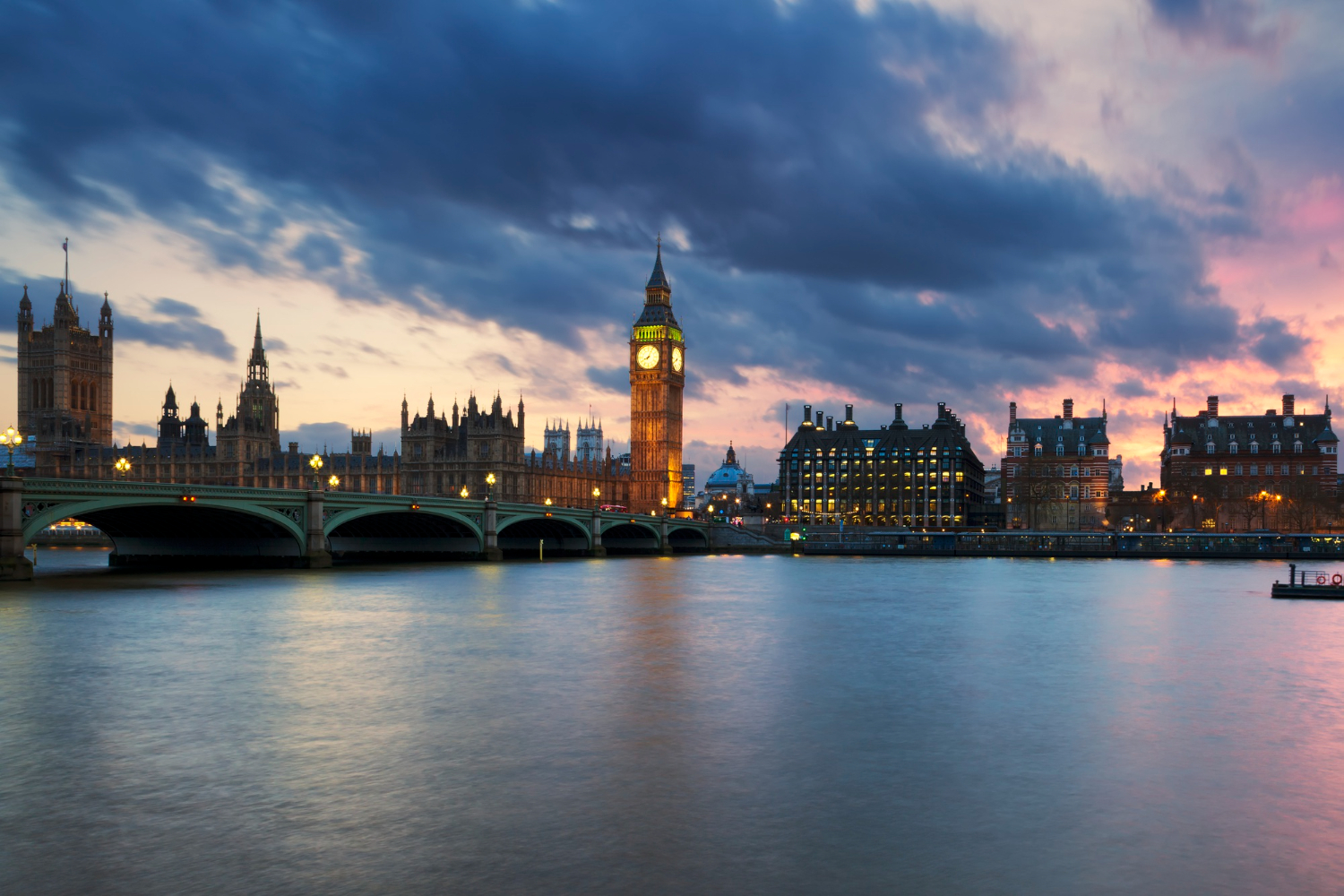
<escape> </escape>Big Ben is among London’s most recognisable landmarks. Although people commonly use the name for the entire clock tower, Big Ben technically refers to the Great Bell inside the Elizabeth Tower.
The tower stands beside the River Thames and forms part of the Palace of Westminster, where the UK’s Parliament meets.
Visitors can admire the impressive Gothic architecture from outside, take photographs from nearby Westminster Bridge and enjoy views of the river. UK residents and international visitors may have different arrangements for parliamentary tours, so check official visitor information before planning an interior visit.
The surrounding area is especially attractive for walking because several major landmarks are within easy reach.
2. Buckingham Palace
Buckingham Palace is the official London residence of the British monarch and one of the city’s most famous royal landmarks.
The palace is particularly popular for the Changing of the Guard ceremony, during which members of the King’s Guard perform a formal changeover. The ceremony attracts large crowds, so arriving early is a sensible idea.
During selected periods, parts of the palace open to visitors. Access and opening dates vary, making it important to check the official Royal Collection Trust information before travelling.
Even when the palace interiors are closed, the surrounding gardens, gates and Victoria Memorial provide excellent opportunities for photographs.
3. Tower of London
The Tower of London is one of the city’s most historically significant attractions. Built nearly a thousand years ago, it has served different purposes throughout its history, including a royal residence, fortress, prison and treasury.
Today, visitors can explore its historic buildings, learn about royal history and see the Crown Jewels, which are among the most famous objects associated with the British monarchy.
The Yeoman Warders, often called Beefeaters, are another memorable part of the experience. Their guided talks help visitors understand the stories connected with the fortress.
Allow several hours to explore the complex properly rather than rushing through it.
4. Tower Bridge
Tower Bridge is often confused with London Bridge, but the two are separate structures.
Known for its distinctive towers and movable central sections, Tower Bridge is one of London’s most photographed landmarks. It crosses the River Thames close to the Tower of London.
Visitors can walk across the bridge for free and enjoy views of the river and surrounding architecture. There is also an exhibition with access to the high-level walkways, where glass-floor sections provide a different perspective of the bridge and the road below.
It is a particularly attractive location for photography, especially when the bridge is illuminated in the evening.
5. The British Museum
The British Museum is an excellent destination for anyone interested in history, archaeology and world cultures.
Its collections cover thousands of years and include objects from ancient Egypt, Greece, Rome and many other civilisations. The famous Rosetta Stone and ancient Egyptian galleries are among its most recognised highlights.
The museum is large, so trying to see everything in one visit can become exhausting. Instead, choose a few galleries that interest you most and explore them at a comfortable pace.
General admission is free, although some exhibitions may charge an entrance fee. Check the museum’s official website for current arrangements.
6. The London Eye
The London Eye is a giant observation wheel located on the South Bank of the River Thames.
It offers panoramic views of the city, including Westminster, Big Ben, St Paul’s Cathedral and the surrounding skyline. A rotation provides a relaxing opportunity to see London from above.
It is especially popular with first-time visitors and families. Booking tickets in advance can help you plan around busy periods, although availability and ticket conditions should always be checked.
7. Covent Garden
Covent Garden is one of London’s most enjoyable areas for shopping, dining and entertainment.
Its central market building, independent shops, restaurants and street performances create a lively atmosphere throughout much of the year.
You can explore the surrounding streets, visit small boutiques, enjoy a coffee or watch performers in the main square. It is also conveniently located near London’s theatre district.
Covent Garden is a good place to visit when you want a mixture of sightseeing and relaxed city exploration.
Explore London’s Most Interesting Neighbourhoods
One of the best ways to understand London is to explore its neighbourhoods. Each area has a different atmosphere, architecture and collection of attractions.
Westminster
Westminster is ideal for first-time visitors interested in British history and government. It includes Big Ben, the Houses of Parliament, Westminster Abbey and Buckingham Palace within a relatively accessible central area.
Soho
Soho is known for its restaurants, cafés, entertainment venues and lively streets. It is particularly popular in the evening, when visitors come to enjoy dinner, music and nightlife.
Camden
Camden has a creative and alternative atmosphere. Camden Market is a major attraction, offering street food, clothing, accessories, artwork and unusual gifts.
The neighbourhood is also associated with music culture and independent businesses.
Notting Hill
Notting Hill is famous for its colourful houses, attractive streets and Portobello Road Market.
It is a pleasant neighbourhood for walking, browsing antiques and discovering small shops. The market is especially lively on its main trading days, although opening arrangements vary between sections.
Greenwich
Greenwich offers a quieter experience away from some of central London’s busiest streets.
It is known for the Royal Observatory, the Prime Meridian, the National Maritime Museum and Greenwich Park. The area also provides beautiful views across London from elevated parts of the park.
Greenwich is an excellent choice for travellers interested in maritime history and open green spaces.
Experience London’s Museums and Art Galleries
London is one of the world’s leading destinations for art, history and culture.
Beyond the British Museum, there are several other institutions worth including in your itinerary.
The Natural History Museum is famous for its impressive architecture and collections covering animals, fossils, minerals and the natural world. Its dinosaur displays are especially popular with families.
The Victoria and Albert Museum focuses on art, design, fashion and decorative objects. It is a fascinating destination for visitors interested in creativity and craftsmanship.
The National Gallery, located in Trafalgar Square, houses an important collection of European paintings. Visitors can discover works from different artistic periods and explore the development of Western art.
The Tate Modern is another major attraction, particularly for those interested in modern and contemporary art. Its location inside a former power station makes the building itself an interesting part of the experience.
Many of these museums offer free general admission, but check their websites for temporary exhibitions, booking requirements and opening times.
What to Eat in London
London’s food scene reflects the city’s multicultural population. You can find traditional British dishes alongside cuisines from almost every part of the world.
Here are some foods worth trying during your visit.
Traditional Fish and Chips
Fish and chips is one of Britain’s best-known meals. It generally consists of battered fish served with thick-cut chips, often accompanied by tartar sauce, lemon or mushy peas.
Traditional fish and chips shops can be found throughout London, from small local businesses to established restaurants.
English Breakfast
A full English breakfast is a filling meal that commonly includes eggs, sausages, bacon, baked beans, grilled tomatoes, mushrooms and toast.
Ingredients vary between restaurants, and vegetarian versions are also widely available.
Sunday Roast
The Sunday roast is a traditional British meal often served with roasted meat, potatoes, vegetables, gravy and Yorkshire pudding.
It is traditionally associated with Sunday family meals and is commonly available in pubs and restaurants.
Afternoon Tea
Afternoon tea is a classic British experience that usually includes tea, small sandwiches, scones with cream and jam, and assorted cakes or pastries.
Some hotels offer elegant afternoon tea experiences, while cafés provide more casual alternatives.
International Cuisine
London is also an excellent city for exploring international food. You can find South Asian restaurants, Middle Eastern dishes, Caribbean food, East Asian cuisine and many other options.
Areas such as Brick Lane, Chinatown and parts of Southall are particularly interesting for visitors looking to experience different food cultures.
Shopping and Markets in London
London offers everything from luxury shopping streets to independent boutiques and traditional markets.
Oxford Street is one of the city’s best-known shopping destinations, with major retail brands and department stores.
Regent Street is recognised for its elegant architecture and well-known shops. Nearby Bond Street is associated with luxury fashion, jewellery and designer brands.
For a different shopping experience, explore London’s markets.
Camden Market is popular for alternative fashion, crafts, street food and unique souvenirs. Borough Market is a well-known food market where visitors can discover fresh produce, baked goods, cheeses and international dishes. Portobello Road Market is particularly attractive for antiques, vintage items and independent stalls.
Markets may have different trading days and hours, so check before visiting.
Getting Around London
London has an extensive public transport network, which makes it relatively easy to explore without renting a car.
London Underground
The London Underground, commonly called the Tube, is one of the most convenient ways to travel around the city.
Its different lines connect central London with many residential areas, shopping districts and major attractions.
Download a transport map or use a journey-planning application before travelling. Some stations have stairs and limited step-free access, so check accessibility information if needed.
Buses
London’s red double-decker buses are both a transport option and an iconic part of the city’s identity.
Buses can be useful for shorter journeys and offer opportunities to see the streets while travelling. However, they may take longer than the Underground during busy traffic periods.
Contactless Payments and Oyster Cards
Visitors can generally use an accepted contactless bank card or an Oyster card to pay for many journeys on London’s public transport network.
Check whether your bank charges foreign transaction fees before using an international card. Always use the same payment method consistently when required by the fare system, as switching cards or devices can affect journey calculations.
Walking
Walking is one of the best ways to discover London’s character.
Many central attractions are close enough to combine into a walking route. For example, you can explore Westminster, cross Westminster Bridge, walk along the South Bank and continue towards the London Eye.
Comfortable shoes are essential because sightseeing often involves more walking than expected.
Best Time to Visit London
London can be visited throughout the year, but each season offers a different experience.
Spring (March to May): Spring brings milder weather, longer daylight hours and blooming flowers in the city’s parks and gardens. It is a pleasant time for walking and outdoor sightseeing.
Summer (June to August): Summer generally offers the longest days and many outdoor events. Parks, riverside areas and open-air attractions become especially enjoyable. However, this is also a busy tourist season, and accommodation prices may be higher.
Autumn (September to November): Autumn brings cooler weather and colourful leaves in London’s parks. September can be a particularly attractive time for visitors who prefer slightly quieter sightseeing conditions after the peak summer period.
Winter (December to February): Winter offers festive decorations, seasonal markets and illuminated shopping streets. Temperatures are generally colder, daylight is shorter and rain is possible, so warm clothing and flexible plans are useful.
London’s weather can change quickly in any season. Carrying a light waterproof jacket is a practical choice.
A Practical Three-Day London Itinerary
If you have only three days in London, a little planning will help you make the most of your time.
Day 1: Historic London
Start your day around Westminster and visit Big Ben, the Houses of Parliament and Westminster Abbey. Continue towards Buckingham Palace and explore the surrounding area.
In the afternoon, cross Westminster Bridge and walk along the South Bank. Visit the London Eye if it fits your budget and finish the day enjoying the riverside atmosphere.
Day 2: Royal and Cultural Attractions
Begin with the Tower of London and allow enough time to explore its historic buildings and exhibitions.
Walk towards Tower Bridge and enjoy the views of the River Thames. Later, visit the British Museum or National Gallery, depending on your interests.
Spend your evening in Covent Garden or Soho, where you can enjoy dinner and explore London’s entertainment scene.
Day 3: Markets and Neighbourhoods
Spend the morning exploring Camden Market or Portobello Road Market.
Afterwards, choose a neighbourhood that interests you. You could visit Notting Hill for its colourful streets, explore Greenwich for its maritime history or spend more time in central London shopping and visiting museums.
This itinerary is flexible. You can change the order depending on attraction opening hours, weather and your accommodation location.
Where to Stay in London
Choosing the right neighbourhood can make a significant difference to your trip.
Westminster: A convenient option for visitors who want to stay close to major historic attractions. Accommodation in this area can be expensive.
Covent Garden: A central location with restaurants, shops and theatres nearby. It is particularly suitable for travellers who enjoy being in the middle of the city’s activity.
South Bank: Offers access to riverside walks, cultural attractions and several major landmarks.
Paddington: A practical area for visitors who want good transport connections and access to central London.
King’s Cross: A well-connected neighbourhood with railway and Underground services, restaurants and accommodation options.
Before booking, compare the distance to public transport, accommodation reviews, cancellation policies and the total cost, including any additional charges.
Practical Travel Tips for London
A successful London trip is not only about choosing attractions. Understanding a few local details can make travelling easier.
- Plan attractions by area: London is large, so grouping nearby attractions helps reduce unnecessary travel.
- Check opening hours: Museums, markets and historic attractions may have different schedules throughout the year.
- Book popular experiences early: Some attractions and theatre performances can become fully booked during busy periods.
- Carry a waterproof layer: Rain is possible throughout the year.
- Use public transport: The Tube and buses are often more practical than taxis for everyday sightseeing.
- Respect queues: Queuing is an important part of everyday public etiquette in the United Kingdom.
- Keep belongings secure: Be aware of your surroundings, particularly in crowded tourist areas and on public transport.
- Check visa requirements: International visitors should confirm the latest UK entry and visa requirements through official government sources before booking their trip.
- Plan your budget: Accommodation, restaurants and certain attractions can be expensive, especially in central London.
Travelling Responsibly in London
Responsible tourism helps protect the places and communities that make London special.
Use public transport or walk when practical instead of relying on private vehicles. Support independent cafés, shops and restaurants, particularly outside the busiest tourist areas.
When visiting museums, historic buildings and religious sites, follow photography rules and respect any restricted areas.
London’s parks and public spaces are shared by residents and visitors. Dispose of rubbish responsibly, avoid damaging plants and respect local guidelines.
Consider visiting popular attractions outside their busiest periods where possible. Exploring less-visited neighbourhoods can also help you discover a broader picture of the city.
Final Thoughts: Is London Worth Visiting?
London is a destination that rewards curiosity. Its famous landmarks provide an introduction to British history, but its neighbourhoods, museums, markets, food and cultural experiences reveal much more about the city.
You can spend your days exploring royal buildings, learning about ancient civilisations, walking beside the River Thames or discovering independent shops in creative neighbourhoods. Every visit can offer a different experience depending on your interests and the time you have available.
Although London can be expensive, careful planning, free museum visits, public transport and a well-organised itinerary can help make the trip more manageable.
Whether you are interested in history, architecture, shopping, food, art or entertainment, London has plenty to offer.
If London is on your travel list, start planning your visit, choose the neighbourhoods that interest you most and leave some time to explore beyond the famous attractions. Some of the city’s most memorable moments may come from simply wandering through its streets.
Ready to explore London? Make this historic and energetic capital part of your next travel adventure.