
Paris Travel Guide: Best Places to Visit & Things to Do
Paris is one of the world’s most recognised travel destinations, attracting visitors with its beautiful architecture, historic streets, famous museums, elegant cafés and unforgettable atmosphere. Known as the City of Light, the French capital offers a combination of history, art, fashion, food and everyday experiences that make it an exciting place to explore.
From the iconic Eiffel Tower and the magnificent Louvre Museum to the charming streets of Montmartre and the peaceful gardens of Luxembourg, Paris has something for almost every traveller. You can spend the morning exploring historic monuments, enjoy freshly baked pastries at a local bakery, visit an art gallery in the afternoon and finish the day watching the city lights reflect on the River Seine.
However, Paris is not only about its famous landmarks. Some of its most memorable experiences come from walking through small neighbourhood streets, discovering local markets, enjoying French cuisine and observing everyday life in the city’s cafés and public squares.
Whether you are planning your first visit, a romantic holiday, a cultural trip or a short European city break, this Paris travel guide will help you understand what to see, where to go, what to eat and how to plan your journey.
What Makes Paris Special?
Paris is famous for its architecture, artistic heritage and distinctive lifestyle. Its streets feature historic buildings, elegant bridges, grand boulevards and traditional cafés that give the city a recognisable character.
The city has played an important role in European history, literature, philosophy, fashion and the arts. Many internationally recognised artists and writers have lived or worked here, and its museums continue to attract people interested in creativity and culture.
Paris is also known for its food. French bakeries, pastry shops, restaurants and outdoor cafés are an essential part of the city’s identity. Even a simple breakfast of coffee and a croissant can become a memorable travel experience.
Another special feature is the city’s walkability. Many central attractions are connected by attractive streets, gardens and riverside paths. Although public transport is useful for longer distances, walking allows visitors to discover details they might otherwise miss.
Best Places to Visit in Paris
Paris has countless attractions, but several landmarks deserve special attention, particularly if you are visiting for the first time.
1. Eiffel Tower
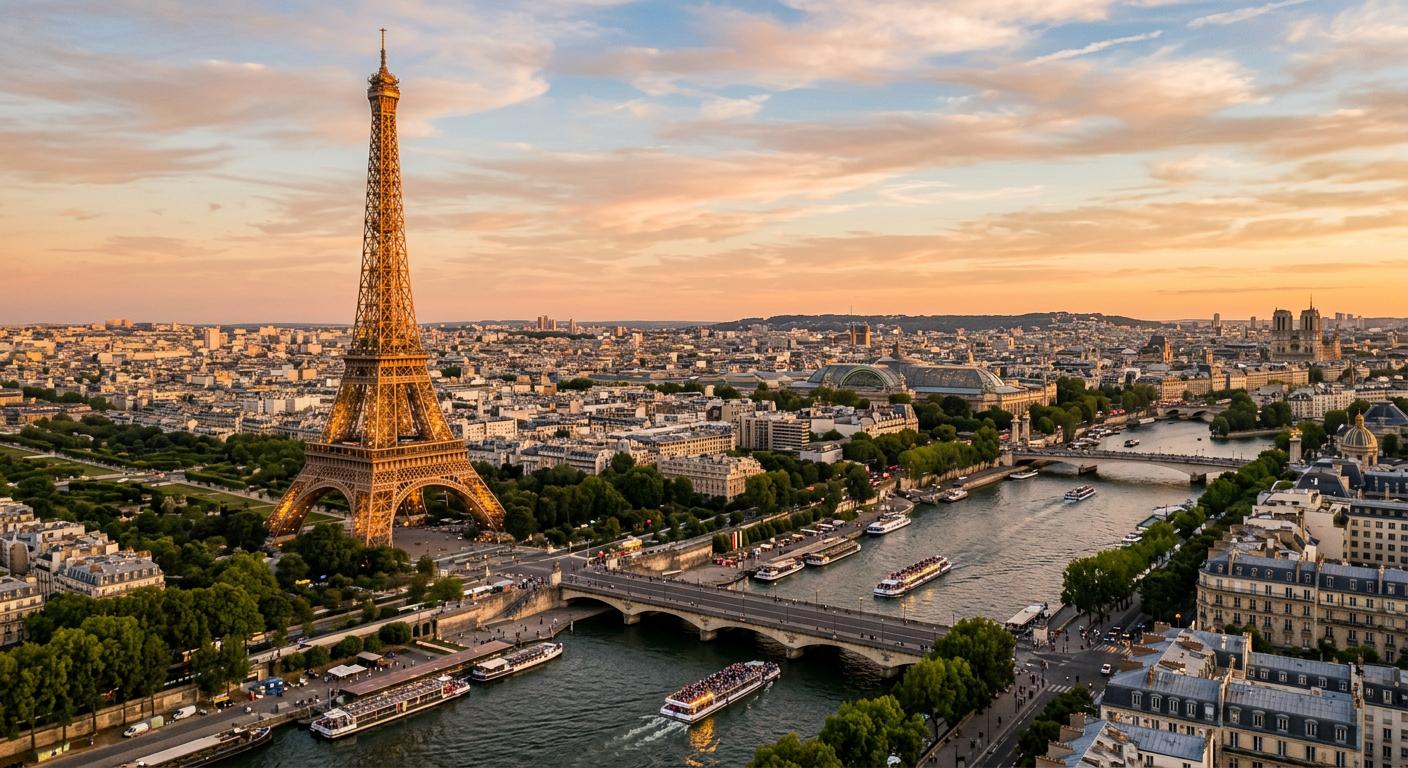
The Eiffel Tower is the most recognisable symbol of Paris and one of the world’s most famous monuments.
Built for the 1889 World’s Fair, the tower was initially intended as a temporary structure. It eventually became an important part of the city’s identity and a major attraction for international visitors.
Visitors can enjoy views of the Eiffel Tower from several locations, including the gardens around the monument, the Champ de Mars and the Trocadéro area across the river.
For a closer experience, you can purchase tickets to access its different levels. Depending on the ticket and operating arrangements, visitors may use lifts or stairs for parts of the climb.
The tower is particularly beautiful after sunset when its lighting creates a memorable atmosphere. If you want to visit the upper levels, booking ahead is recommended during busy travel periods.
2. Louvre Museum
The Louvre is one of the world’s largest and most famous art museums. Located in a former royal palace, it houses an extraordinary collection of paintings, sculptures, historical objects and archaeological treasures.
Its most recognised artwork is the Mona Lisa, painted by Leonardo da Vinci. Other important works include the Venus de Milo and the Winged Victory of Samothrace.
The museum is so large that exploring every gallery in a single visit is unrealistic for most travellers. It is better to choose a few collections or artworks that interest you and plan your route in advance.
The glass pyramid in the museum courtyard has also become a major architectural landmark and a popular photography location.
Check the official museum website for opening hours, ticket arrangements and temporary exhibitions before visiting.
3. Notre-Dame Cathedral
Notre-Dame Cathedral is one of the most significant examples of French Gothic architecture.
Located on Île de la Cité in the River Seine, the cathedral is known for its impressive façade, towers, stained-glass windows and detailed architectural features.
The building suffered a major fire in 2019, followed by extensive restoration work. It reopened to visitors in December 2024, although access arrangements, services and available visitor experiences may change.
The surrounding island is also worth exploring. Its historic streets and riverside locations provide a different perspective on central Paris.
4. Arc de Triomphe
The Arc de Triomphe stands at the western end of the Champs-Élysées and commemorates those who fought and died for France.
Commissioned by Napoleon, the monument features detailed sculptures and inscriptions connected with French military history.
Visitors can admire the structure from the surrounding streets or purchase access to its rooftop viewing area.
The rooftop provides impressive views of Paris, including the long avenue of the Champs-Élysées and the city’s distinctive urban layout.
For safety, use the underground pedestrian passage to reach the monument rather than attempting to cross the busy traffic circle.
5. Champs-Élysées
The Champs-Élysées is one of Paris’s most famous avenues, connecting the Place de la Concorde with the Arc de Triomphe.
The street is known for its shops, restaurants, cafés, cinemas and grand city atmosphere. It is a popular destination for shopping and sightseeing, although many visitors also enjoy simply walking along its wide pavements.
During certain national celebrations and public events, the avenue becomes a major gathering place.
It is particularly attractive when decorated for seasonal celebrations, but the area can be crowded, so allow enough time to explore comfortably.
6. Sacré-Cœur Basilica
Located at the highest point of Montmartre, the Sacré-Cœur Basilica is one of the city’s most recognisable religious landmarks.
Its white exterior and distinctive domes make it stand out against the surrounding neighbourhood.
The steps and open spaces outside the basilica provide beautiful views across Paris. Inside, visitors can admire its religious artwork and impressive interior.
The surrounding Montmartre area is equally interesting, with narrow streets, small cafés, art studios and historic buildings.
7. Musée d’Orsay
The Musée d’Orsay is a must-visit attraction for people interested in art.
Housed in a former railway station, the museum is particularly famous for its collection of Impressionist and Post-Impressionist paintings.
Visitors can discover works by artists such as Claude Monet, Vincent van Gogh, Pierre-Auguste Renoir and Edgar Degas.
The building itself is a major attraction, with its large clock and impressive architecture.
If you enjoy painting and art history, allow several hours to explore the museum without rushing.
Explore the Most Beautiful Neighbourhoods in Paris
Paris is divided into 20 administrative districts known as arrondissements. Each has its own atmosphere, attractions and local character.
Exploring different neighbourhoods is one of the best ways to experience the city beyond its main tourist sites.
Montmartre
Montmartre is famous for its artistic history, village-like atmosphere and beautiful streets.
It was once home to several important artists, including Picasso and other figures associated with the development of modern art.
Today, visitors can explore Place du Tertre, discover small galleries, enjoy cafés and walk through streets with attractive views of the city.
The neighbourhood is particularly popular with photographers and travellers who enjoy historic surroundings.
Le Marais
Le Marais is one of Paris’s most interesting central neighbourhoods.
It combines historic architecture with independent fashion shops, cafés, galleries and cultural spaces. The area is also known for its lively food scene and diverse community.
Place des Vosges, one of the oldest planned squares in Paris, is a particularly attractive place to visit.
Le Marais is a good destination for a relaxed afternoon of walking, shopping and discovering smaller streets.
Saint-Germain-des-Prés
Saint-Germain-des-Prés has a strong literary and artistic history.
The neighbourhood is associated with historic cafés, bookshops, art galleries and elegant streets. It has long attracted writers, philosophers and intellectuals.
Visitors can enjoy a coffee, browse independent shops or explore nearby landmarks such as the Church of Saint-Germain-des-Prés.
It is an excellent area for experiencing the traditional café culture often associated with Paris.
Latin Quarter
The Latin Quarter is known for its academic history, student atmosphere and narrow streets.
It is home to the historic Sorbonne University area, bookshops, cafés and the beautiful Panthéon.
The neighbourhood offers a mixture of history and everyday city life. Its restaurants and smaller streets make it a pleasant place to explore after visiting nearby attractions.
Discover Parisian Gardens and Outdoor Spaces
Paris is not only a city of buildings and museums. It also has beautiful gardens and public spaces where visitors can relax between sightseeing activities.
Jardin du Luxembourg: These gardens are among the city’s most attractive green spaces. They feature tree-lined pathways, flowerbeds, fountains and the Luxembourg Palace. Visitors can enjoy a peaceful walk or sit beside the central pond.
Tuileries Garden: Located between the Louvre Museum and Place de la Concorde, the Tuileries Garden is a convenient place to relax while exploring central Paris.
Champ de Mars: Situated near the Eiffel Tower, this large public green space provides excellent views of the monument and is popular with visitors looking for a picnic location.
Parc des Buttes-Chaumont: This park offers a different atmosphere from the formal gardens of central Paris. Its hills, bridges, lake and walking paths make it an interesting destination for travellers who want to explore a less conventional part of the city.
What to Eat in Paris
French cuisine is one of the highlights of visiting Paris. From simple bakery products to carefully prepared restaurant dishes, food plays an important role in the city’s culture.
Here are some traditional foods and experiences worth trying.
Croissants
A croissant is one of the most recognisable French pastries.
Its flaky, buttery layers make it a popular breakfast choice. For a good experience, visit a local bakery early in the day and enjoy a freshly baked croissant with coffee.
Baguette
The baguette is a traditional French bread with a crisp exterior and soft interior.
It is commonly enjoyed with cheese, butter, sandwiches or other meals. You will find bakeries throughout Paris, making it easy to experience this everyday part of French food culture.
Crêpes
Crêpes are thin pancakes that can be served with sweet or savoury fillings.
Sweet versions may include chocolate, fruit, sugar or cream, while savoury options often contain cheese, eggs and vegetables.
They are available at specialist crêperies, cafés and street-food stalls.
French Onion Soup
French onion soup is a traditional dish made with slowly cooked onions in a savoury broth, often topped with bread and melted cheese.
It is particularly enjoyable during colder months and is commonly found in traditional French restaurants.
Macarons
Macarons are colourful almond-based pastries with a delicate shell and soft filling.
They are available in many flavours, including chocolate, pistachio, raspberry and vanilla.
They are also popular as gifts because of their attractive presentation.
Cheese and French Desserts
France has a long tradition of cheese-making, and Paris offers many opportunities to discover different varieties.
You can also try desserts such as crème brûlée, éclairs, fruit tarts and mille-feuille.
Rather than choosing only expensive restaurants, explore neighbourhood bakeries and small cafés to experience a wider variety of French food.
Shopping in Paris
Paris is internationally recognised for fashion, luxury brands and elegant shopping streets.
The Champs-Élysées is one of the best-known shopping destinations, with major international retailers and restaurants.
For luxury fashion, explore Avenue Montaigne and parts of the Saint-Honoré area, where designer boutiques and premium brands are concentrated.
Galeries Lafayette and Printemps are famous department stores offering fashion, beauty products, accessories and other retail experiences.
For something more independent, explore the boutiques of Le Marais. The area offers vintage clothing, local designers, small shops and unusual gifts.
If you enjoy second-hand items and antiques, consider visiting the Saint-Ouen flea market area. It is one of the best-known market destinations around Paris, although it is located outside the city’s central districts.
Getting Around Paris
Paris has a well-developed public transport network, making it relatively easy to move between major attractions.
Paris Métro
The Métro is one of the most convenient ways to travel around the city.
Its extensive network connects many neighbourhoods, museums, railway stations and tourist attractions. Before travelling, check the route and any service disruptions using an official transport source or journey-planning application.
Buses
Paris buses provide another useful way to explore the city.
Although journeys can take longer during busy traffic periods, buses offer an opportunity to see the streets and neighbourhoods while travelling.
RER Trains
The RER network connects central Paris with surrounding suburbs and important destinations beyond the city centre.
It is particularly useful for longer journeys, including travel towards major locations outside central Paris.
Walking
Walking is one of the most enjoyable ways to experience Paris.
Many attractions are relatively close to one another, especially in central areas. Walking between cafés, gardens, museums and historic streets allows you to discover details that can easily be missed when using public transport.
Cycling
Paris has cycling infrastructure and public bicycle services. Cycling can be a convenient option for exploring selected areas, but visitors should understand local road rules and feel comfortable with urban traffic before choosing this option.
Best Time to Visit Paris
Paris can be visited throughout the year, but every season offers a slightly different experience.
Spring (March to May): Spring is one of the most attractive seasons to visit Paris. Gardens begin to bloom, temperatures become milder and outdoor cafés become more enjoyable. It is a popular period for photography and walking.
Summer (June to August): Summer brings longer days, outdoor events and lively streets. Visitors can enjoy parks, riverside walks and open-air activities. However, popular attractions can become crowded, and accommodation prices may increase.
Autumn (September to November): Autumn offers cooler temperatures and beautiful colours in the city’s gardens. September and October can be particularly pleasant for exploring museums and neighbourhoods.
Winter (December to February): Winter brings a quieter atmosphere in some areas, festive decorations and seasonal shopping experiences. It can be cold and rainy, but museums, cafés and indoor attractions provide plenty to do.
For many visitors, spring and early autumn offer a good balance between comfortable weather and sightseeing opportunities.
A Practical Three-Day Paris Itinerary
If you have three days in Paris, organising attractions by location can help you avoid unnecessary travel.
Day 1: The Iconic Paris Experience
Start your day at the Eiffel Tower and explore the surrounding Champ de Mars area.
Continue towards the Seine and enjoy a riverside walk. Depending on your interests, you can take a sightseeing boat cruise or cross towards the Trocadéro area for another view of the tower.
Later, explore the Champs-Élysées and finish at the Arc de Triomphe. If you have enough energy, visit its rooftop for panoramic city views.
Day 2: Art, History and Architecture
Begin at the Louvre Museum. Allow enough time to explore the galleries that interest you most.
Afterwards, walk through the Tuileries Garden towards Place de la Concorde.
Continue towards Île de la Cité to explore the area around Notre-Dame Cathedral. Finish the day with a visit to the Latin Quarter, where you can enjoy dinner and explore its historic streets.
Day 3: Montmartre and Local Culture
Spend the morning exploring Montmartre and the Sacré-Cœur Basilica.
Walk through Place du Tertre and discover the neighbourhood’s cafés, art galleries and small streets.
In the afternoon, choose between visiting the Musée d’Orsay, exploring Le Marais or relaxing in the Luxembourg Gardens.
This itinerary is flexible. You can adjust it according to museum opening times, ticket availability and your preferred pace.
Where to Stay in Paris
Choosing the right neighbourhood can make your Paris visit more convenient.
Le Marais: A lively area with cafés, independent shops, restaurants and historic streets. It is suitable for visitors who enjoy exploring neighbourhoods on foot.
Saint-Germain-des-Prés: An elegant location with traditional cafés, galleries and attractive streets. It is particularly appealing to travellers interested in culture and architecture.
Latin Quarter: A central neighbourhood with restaurants, bookshops and convenient access to several historic attractions.
Montmartre: A charming area with an artistic atmosphere and attractive views. However, some parts are located on hills, so consider walking distances when booking accommodation.
Opéra: A practical area for shopping, transport connections and access to central attractions.
Before booking, compare transport connections, guest reviews, cancellation policies and the total cost. Staying close to a Métro station can save considerable time.
Practical Travel Tips for Paris
A little preparation can make your trip much smoother.
- Learn a few French phrases: Simple greetings such as Bonjour (hello), Merci (thank you) and S’il vous plaît (please) can make everyday interactions more comfortable.
- Book popular attractions early: The Eiffel Tower, Louvre and other major attractions can have limited availability during busy periods.
- Watch your belongings: Stay aware of your bags and personal items in crowded tourist areas and on public transport.
- Check museum schedules: Some museums have weekly closing days and special opening arrangements.
- Wear comfortable shoes: Exploring Paris often involves walking across cobbled streets and large public spaces.
- Carry a reusable water bottle: Public drinking fountains are available in many parts of the city.
- Use public transport: The Métro is generally an efficient way to cover longer distances.
- Check restaurant prices: Review menus and prices before sitting down, particularly in heavily visited tourist areas.
- Confirm visa requirements: International visitors should check current French and Schengen entry requirements through official sources before travelling.
- Keep some flexibility: Weather, transport disruptions and attraction schedules can affect your plans.
Travelling Responsibly in Paris
Responsible tourism helps preserve the city’s historic buildings, public spaces and local communities.
Respect cultural and religious sites by following visitor instructions and keeping noise to an appropriate level. When visiting museums, check photography rules and avoid touching protected artworks or objects.
Support local businesses by visiting independent bakeries, cafés, markets and shops. Try to use public transport or walk instead of relying on private vehicles for every journey.
Keep streets and parks clean, dispose of rubbish correctly and respect residential areas, especially when exploring quieter neighbourhoods.
Paris is a living city, not simply a collection of tourist attractions. Being considerate of residents and local customs helps make the experience better for everyone.
Final Thoughts: Is Paris Worth Visiting?
Paris offers a combination of history, art, architecture, food and culture that makes it one of the world’s most rewarding city destinations.
Its famous landmarks provide unforgettable sightseeing opportunities, while its neighbourhoods reveal a more personal side of the city. You can admire the Eiffel Tower, explore the Louvre, enjoy a traditional French pastry, walk beside the Seine or spend an afternoon discovering the streets of Montmartre.
Although Paris can be expensive, careful planning can help you enjoy the city without spending excessively. Free public spaces, selected museum collections, local bakeries and public transport make it possible to create a varied travel experience.
Whether you are visiting for a few days or planning a longer holiday, Paris has plenty to discover.
Start planning your journey, choose the attractions that interest you most and leave room for spontaneous exploration. Sometimes, the best Paris experience is simply finding a quiet café, ordering something delicious and watching the city go by.
Ready to discover Paris? Add the City of Light to your travel plans and experience its history, beauty and culture for yourself.